When DC Motors Limit System Performance
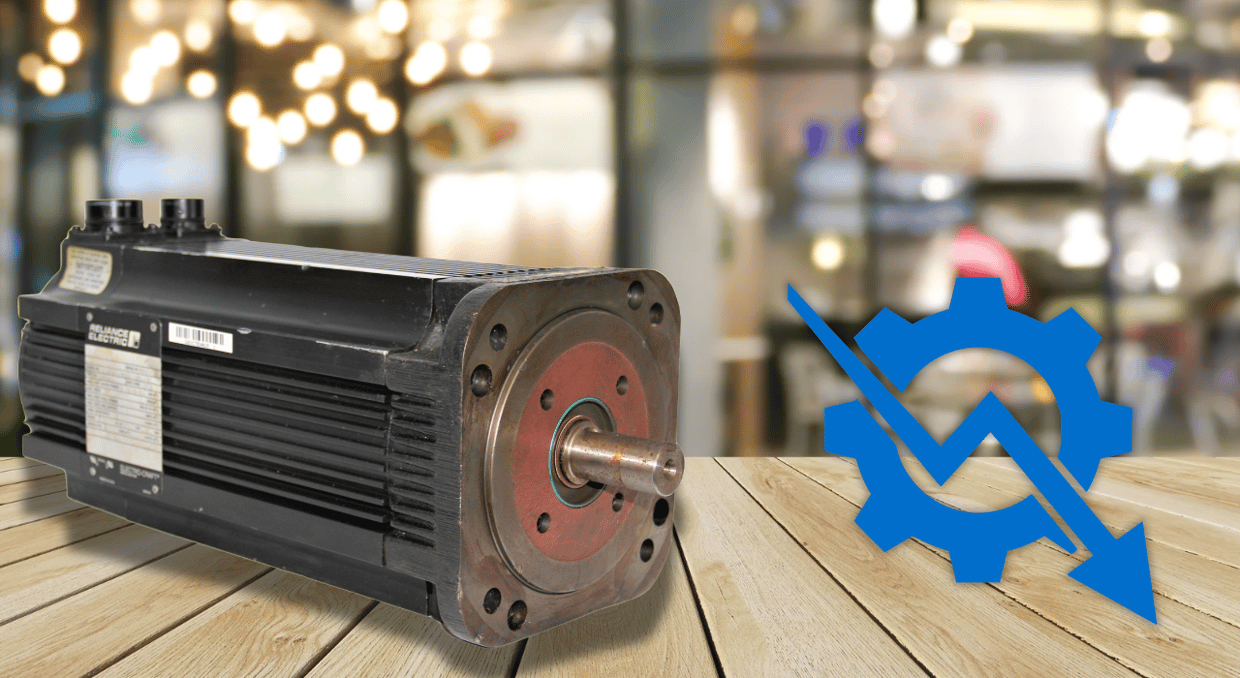
DC motors secured their position in industrial applications because of simple speed regulation and robust low-speed torque, and many facilities still rely on them in rolling mills, extruders, cranes, and winders. The same design that allows easy control also creates constraints as equipment deteriorates or demands increase. Brushes degrade, heat has no avenue to dissipate, speed limits are reached prematurely, and maintenance opportunities decrease. When a line fails to perform well, the motor is often the overlooked limitation behind the symptoms. This article outlines the specific ways DC motors limit system efficiency and how to identify each limitation before it leads to unexpected downtime.
Brush and Commutator Wear
The brush and commutator assembly is the most well-known limitation. Brushed DC motors are affordable and powerful at low speeds, but maintaining brushes and commutators increases overall lifetime expenses. As brushes wear down, contact resistance increases, leading to more sparks and inconsistent current delivery. The motor can keep running, so the decline may remain hidden by slow torque fluctuations rather than a clear malfunction. Regular inspections of brush length, spring tension, and commutator surface quality identify issues early, preventing arcing damage that can necessitate costly armature repair or replacement.
Heat Trapped in the Armature

In brushed DC motors, the armature windings are located on the rotor, making effective heat removal especially important. Although industrial models use ventilation and cooling systems to manage these losses, restricted airflow, failed blowers, or operating conditions beyond the motor’s rated duty cycle can cause excessive temperatures. Continuous torque capacity depends on the motor’s thermal design, cooling arrangement, and operating speed. Assess the real duty cycle against thermal ratings, maintain unobstructed ventilation routes, and ensure blower functionality on independently ventilated motors before attributing issues to the drive or the load.
Speed Ceilings
Brushed machines quickly encounter mechanical speed constraints. Standard brushed models peak at approximately 3,000 to 5,000 RPM, while high-speed variants achieve about 10,000 to 15,000 RPM, limited by commutator wear and armature equilibrium. At elevated speeds, an air cushion can develop, causing the brushes to be lifted off the commutator. Field weakening increases the range but lowers torque and puts additional stress on commutation. When a process requires increased line speed, it is often the motor, not the drive, that limits performance. Check the base speed, field-weakening ratio, and maximum permissible armature speed on the nameplate before increasing operating speed.
Commutation Sparking and Electrical Noise
Arcing at the interface between the brush and commutator can produce electromagnetic interference. In plants filled with PLCs, encoders, and connected drives, that noise distorts feedback signals, interferes with analog inputs, and generates nuisance faults that resemble control issues. Sparking additionally wears down commutator segments, hastening the wear cycle mentioned previously. Interpole adjustment, appropriate brush grade, and effective grounding and shielding alleviate the issue but do not eliminate it. In cases of persistent noise issues near a DC motor, examine the commutator and cabling, as both contribute to the same problem.
Maintenance Access and Downtime
Brushes and commutators require routine maintenance and eventual replacement, a costly task that necessitates making them accessible to technicians in the motor design. In continuous process lines, the maintenance window itself is the limiting factor, as a halt is significantly more expensive than the brush set. Using the wrong brush can damage a motor, making it essential to track brush grade, replacement timing, and spring pressure. Keep extra brush sets on location and train technicians to return to original specifications instead of simply reactivating the line. Overlooked maintenance turns a standard job into a costly repair.
Contamination and Insulation Decline
Brush wear produces carbon dust that accumulates on commutator risers and winding surfaces, combining with moisture and oil to create conductive pathways. Insulation resistance decreases over time, and the initial indication is often an intermittent ground fault or armature trip rather than a definitive failure. Monitor insulation resistance trends during each shutdown rather than relying on a single measurement, and evaluate results at consistent temperatures. Using clean, dry air to blow out dust and keeping enclosures sealed against humidity prolong winding life. A declining trend serves as an early indication that a reversal is imminent.
Drive and Motor Mismatch
Thyristor DC drives provide rectified voltage with ripple, and this ripple current raises armature temperature beyond what the average current indicates. DC Motors supplied by a six-pulse converter are typically derated unless an armature choke stabilizes the current. Independently excited machines introduce an additional complication: a lost or diminished field supply can lead to dangerously high speeds or result in overcurrent. Verify form factor, field current regulation, and loss-of-field protection configurations whenever a motor is substituted, or a drive is enhanced. A motor that gets hot with a new drive usually responds to ripple rather than load.
Aging Feedback Devices
Tachogenerators and encoders on DC motors operate in a challenging environment filled with vibrations, carbon dust, and heat. A frayed tach adds distortion to the speed signal, causing the loop to search and resemble inadequate tuning. Mechanical couplings on feedback devices become loose over time, introducing backlash into the measured speed. Before adjusting any speed loop, examine the feedback signal on an oscilloscope across the speed range and evaluate the coupling. Many ongoing speed instability issues are solved by replacing an old tachometer or switching to a digital encoder instead of modifying drive gains.
Brushless Is Not a Free Fix
Brushless motors eliminate mechanical commutation but introduce different design and control requirements. Depending on their construction and commutation method, they may exhibit cogging torque or torque ripple, particularly noticeable at very low speeds. Advanced controllers using sinusoidal commutation or field-oriented control can improve smoothness, while feedback resolution and controller tuning influence speed regulation. Achievable performance depends on the complete motor-drive system, not the motor alone.
Duty Cycle and Application Mismatch
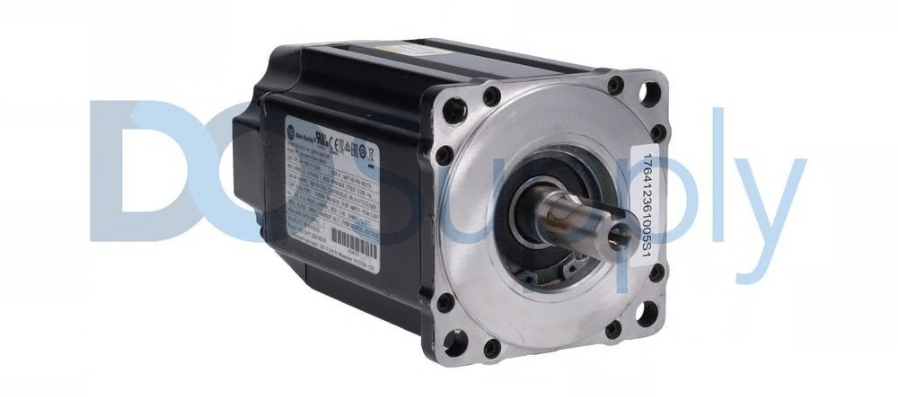
Many DC motor failures stem from application incompatibilities. Frequent reversals, continuous stalls against a blockage, and prolonged low-speed operation with high current all put stress on the commutator and cause the armature to overheat. A motor designed for standard loads can malfunction when peak torque occurrences happen several times each hour. Plot armature current throughout the production cycle and analyze the peak and RMS values against the motor’s continuous and peak ratings. If the RMS current surpasses the continuous rating, no cleaning or adjustment will resolve the issue; the motor is too small, or the process requires modification.
Diagnostics That Reveal the Limit Early
Timely identification transforms a malfunction into a scheduled fix. Trend armature current versus load at constant speed, as an increasing current for the same output indicates rising friction or winding deterioration. Utilize thermal imaging to assess commutator and bearing temperatures while under load, and document the brush wear rate for every hundred operating hours. Assess insulation resistance and polarization index during each outage, and observe bearing vibrations. Collectively, these trends provide several months of notice prior to an unexpected failure. The data is inexpensive and supports a repair-or-replace choice based on evidence instead of speculation.
Repair, Replace, or Retrofit
When boundaries recur, the focus changes from fixing to substituting. Choices consist of overhauling the current DC Motor, swapping it for a similar model, retrofitting an AC induction motor with a vector drive, or transitioning to a brushless servo. Every alteration involves wiring, drive, response, installation, and replacements. Evaluate lifecycle expenses instead of just acquisition cost, factoring in brush sets, downtime, and technician labor. Frame size, shaft elevation, and foundation suitability frequently determine practicality. A staged strategy, addressing the poorest performers initially and utilizing shared spares, manages expenses while gaining expertise with the new technology.
Final Thoughts
In conclusion, DC motors restrict system efficiency via a predictable range of factors: wear of brushes and commutators, heat retention in the armature, maximum speed limits, electrical interference, maintenance needs, contamination issues, drive incompatibilities, aging feedback, and stress from duty cycles. None of these is puzzling, and each provides measurable signs well before failure. Analyze the data trends, select the motor based on the actual workload, and decide whether to fix it or replace it while considering lifecycle costs. Brushless and AC options eliminate certain constraints but introduce new ones, so select the motor technology based on the application’s requirements. When managed intentionally, DC motors continue to perform; when neglected, they silently limit the entire system.
If you find that your DC motor is weighing your system down, it might be time to switch to a modern AC system. At DO Supply, we can help facilitate this upgrade with our wide selection of AC motors and VFDs. If you suspect that your motor or drive might be bad, contact our team and send it in for us to repair instead. Looking for a DC system for regeneration? Check out our guide on how to pick the best drive to match!
DO Supply Inc. makes no representations as to the completeness, validity, correctness, suitability, or accuracy of any information on this website and will not be liable for any delays, omissions, or errors in this information or any losses, injuries, or damages arising from its display or use. All the information on this website is provided on an "as-is" basis. It is the reader's responsibility to verify their own facts.