How Crating Specialized Tool Heads Could Improve Your Shop's Workflow
In many different businesses, crating is a crucial step in storing and transporting goods. The procedure is placing goods into crates, which are wooden or plastic boxes used for storage or transportation. Crates are available in various sizes and can be tailored to fulfill certain needs, such as weight capacity, toughness, or temperature resistance. Items may be protected from harm during storage or transportation using proper crating techniques, assuring their safe arrival at their destination. The organization and effectiveness of the shipping and storage process may be enhanced by using crates, which can also simplify material handling procedures. Crates are a typical and efficient technique to safeguard products during travel and guarantee their safe delivery, whether for local or international shipment.
What are Customized Tool Heads?
Customized attachments, known as specialized tool heads, can be fitted to various industrial machinery to improve functionality. These tool heads may be adjusted for various materials, shapes, and sizes and are made for specialized jobs. Several sectors, including those in the automotive, aerospace, medical, electronics, and others, can benefit from the usage of specialized tool heads.
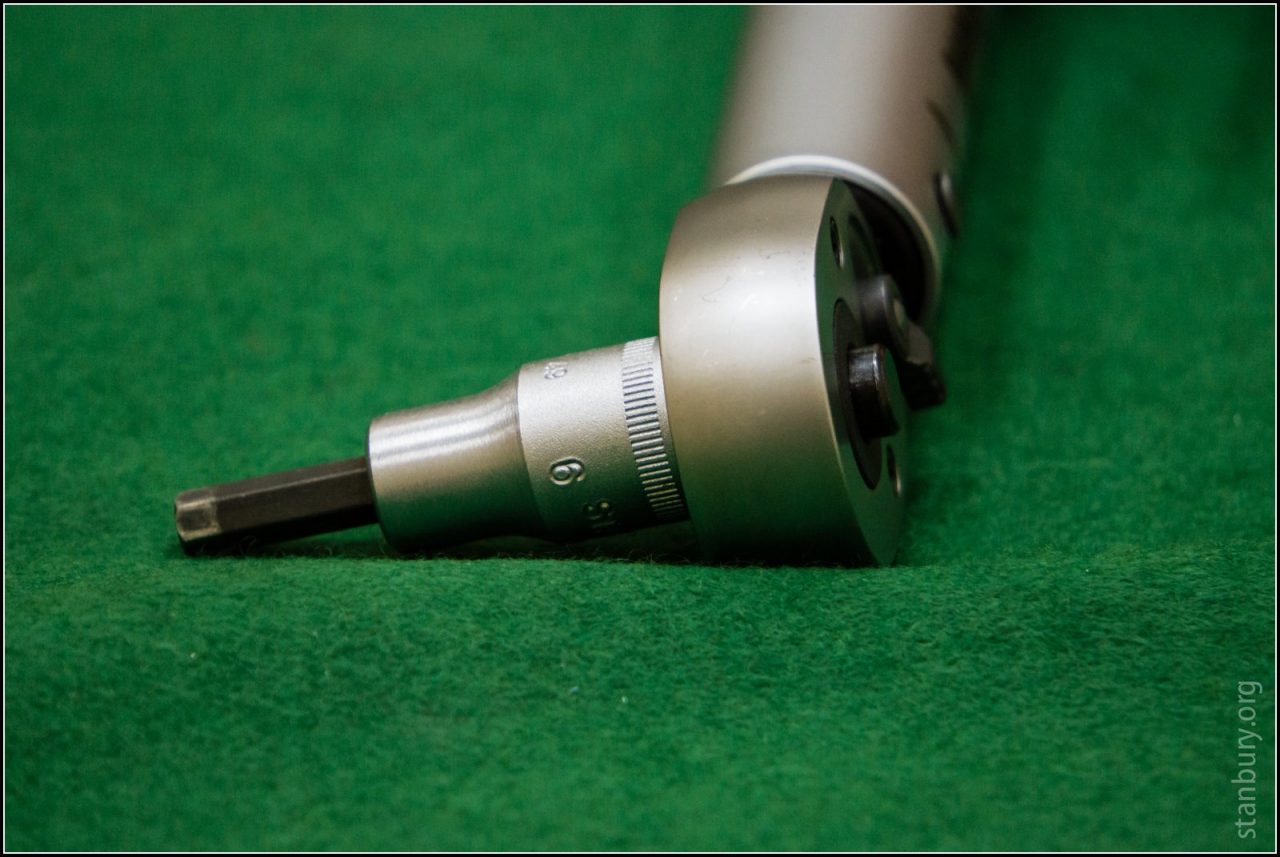
Manufacturers can increase the productivity of their machinery and generate higher-quality output by personalizing a tool head for a specific purpose. A tailored tool head, for instance, may be created to mill a particular material or form, like a unique metal component for an aircraft application.
The precision of each component is crucial to the overall quality of the completed product in many sectors. With specialized tool heads, activities may be carried out with great accuracy and repeatability, guaranteeing that every item is produced to exacting standards. This degree of accuracy is crucial in various fields, such as aerospace and medical production, where the integrity and security of the final product are paramount.
Employing specialized tool heads to solve certain production problems is also possible. For instance, complicated forms or features may be fabricated on vehicle parts like engine blocks or transmission casings using specialized tool heads in the automotive sector. Similarly, the electronics sector may employ specialized tool heads to drill exact holes on printed circuit boards.
Manufacturers may increase throughput and efficiency while lowering costs and waste by designing specialized tool heads to address particular difficulties.
Specialized tool heads can improve worker safety in addition to production operations. The risk of injury is decreased when employees use the proper tool head, which makes operations easier to complete and requires less physical effort. For instance, a specific tool head may be created to automate an operation that would otherwise need to be carried out manually by a worker. This helps maximize the worker’s time to concentrate on higher-value duties while lowering the danger of damage. Furthermore, essential to enhancing environmental sustainability are specific tool heads.
What are the Ways by Which Workflow Can be Improved by Crating Customized Tool Heads?
Offers transportation-related protection for specific tool heads: Throughout the production process, it is crucial to protect specialized tool heads during shipment. Tools may be subjected to several dangers when being carried, such as collisions, vibrations, and temperature changes, which increase the likelihood of failure or damage. Manufacturers may ensure their equipment arrives in perfect shape and is prepared to complete its intended duty by taking precautions to preserve hardware instruments throughout transit. Crates, packing, or specially made transportation cases that can resist the rigors of shipment and handling are examples of protective measures.
Bespoke tool heads are developed for particular, specialized purposes, enabling manufacturers to achieve precision and accuracy beyond what is feasible with off-the-shelf tool heads. These special tool heads can deal with intricate and one-of-a-kind parts since they are made with a focus on certain materials, sizes, and forms. Custom tool heads enable businesses to optimize their production processes for optimal effectiveness and quality, leading to increased output and less waste. The manufacturing process may be made even more productive and efficient using bespoke tool heads that operate with automation systems.
Improved production capacity: When used in conjunction with the crating process, specialized tool heads can boost production capacity by enhancing the effectiveness of the manufacturing process. Manufacturers may set up their manufacturing line to be as productive and efficient as possible by employing customized tool heads. Moreover, transporting these specialized tool heads in crates guarantees they will be in top shape when they reach their destination, lowering the possibility of delays or equipment failure. Uptime and output rise as a result of this. Moreover, crating may assist in keeping tool heads organized and simple to reach, speeding up changeovers between production runs and lowering setup times. Each of these elements has the potential to boost production capacity and, ultimately, profitability.
Tool head design for efficiency and effectiveness: The performance of the manufacturing process may be greatly affected by tool head design for efficiency and effectiveness through the crating process. Manufacturers may improve the efficiency and efficacy of their production lines by designing tool heads specifically for the activities they need to do. Also, crate-transporting tool heads guarantee they stay in good shape and are prepared to perform their specified functions. Producers may ensure that they keep their precise design and functioning by employing crating procedures to safeguard the tool heads, resulting in optimal production performance. This may result in higher production quality, more effectiveness, and lower costs, eventually boosting profitability.
Improving workplace safety: The crating procedure can improve workshop safety by shielding specialized tool heads during storage. This helps to prevent potential accidents and injuries caused by broken or incorrectly kept tool heads. Also, tool heads may be kept organized and accessible with crates, lowering the risk of accidents by looking for tools or reaching for them in awkward positions. Manufacturers may guarantee that their employees have access to safe, effective tools, lowering the chance of accidents and enhancing workplace safety by employing the crating technique to safeguard tool heads. This may result in higher worker satisfaction and lower expenses due to accidents at work.
Cutting down on setup time: The production process may be sped up by using specialized tool heads in conjunction with crates. It takes less time to find and set up the necessary tools when they are organized and accessible, thanks to crates. Moreover, individual task-specific tool heads are created, enabling more rapid and effective manufacturing. Manufacturers may optimize their production lines for optimal efficiency and output by cutting the time needed for tool setup and changeovers. This may result in more output, lower expenses, and greater profitability. Overall, customized tool heads and the crating process may assist firms in streamlining their production operations and enhancing their bottom line.
Saving money by minimizing material waste: By minimizing material waste throughout the production process, specialized tool heads and crating techniques can assist producers in saving money. The danger of material waste brought on by mistakes or erroneous cuts is decreased by using customized tool heads, which are created for particular jobs and optimized for optimal efficiency and accuracy. Also, crating the tool heads throughout storage and transit guarantees that they remain in top condition, lowering the possibility of damage that might result in waste. Reduced material waste enables enterprises to cut costs, boost productivity, and boost profitability. Overall, specific tool heads and packaging techniques may greatly aid cost reduction and production process optimization.
Manufacturers can handle specific manufacturing issues by using customized tool heads along with a crating technique. Certain production needs, such as handling challenging materials or obtaining complicated geometries, can be catered for through the unique design of tool heads. Manufacturers may boost productivity and efficiency while lowering waste and mistakes by customizing the tool heads for specific manufacturing requirements. Crates for the tool heads also guarantee their protection during storage and transit, keeping them ready for use as needed. Manufacturers may stand out in the market, boost customer happiness, and boost profitability by tackling particular production difficulties with the use of specific tool heads and the crating process.
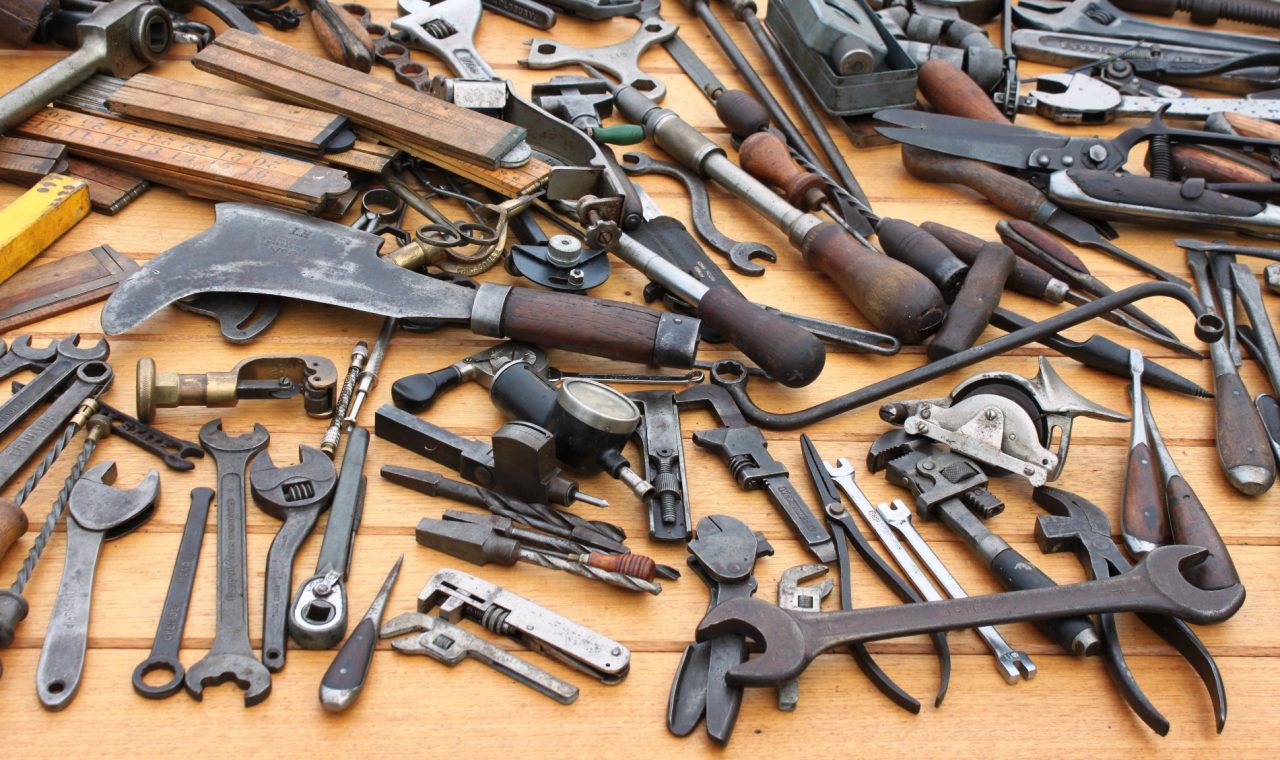
Automation and specific tool heads combined for increased productivity: Automation and specialist tool heads combined may considerably increase production productivity and the tool heads can be organized and protected during the crating process. Compared to human labor, automated systems can perform repeated activities more quickly and precisely, which lowers mistakes and boosts quality. By integrating smoothly with automated systems, specialized tool heads may be created, maximizing the productivity of the production process. Furthermore, packing the tool heads in crates for storage and transit makes sure that they are accessible for usage with automated systems, minimizing downtime and boosting production. Manufacturers may enhance productivity, save costs, and boost profitability by integrating specialized tool heads with automation and crating processes.
Creating modular tool heads with several applications in mind: The variety of modular tool heads and the crating process can increase the adaptability of production. In order to meet various production processes, modular tool heads are interchangeable and easily swappable, which shortens setup times and boosts productivity. Also, crating the tool heads during storage and transit guarantees that they are safe and well-organized for usage. Manufacturers may streamline their production processes for a number of applications, enhancing adaptability and cutting costs by creating modular tool heads. Using this strategy, producers may boost productivity and profitability while swiftly adapting to shifting client demands.
Making unique tool heads with 3D printing: Using 3D printing technology, producers may make specialized tool heads rapidly and cost-effectively, cutting down on lead times and expenses related to conventional production processes. Also, packing the 3D-printed tool heads in crates during shipping and storage keeps them tidy and safe until they are required. Manufacturers may tailor their production processes for particular applications, cut waste, and increase precision and accuracy by using 3D printing technology to make customized tool heads. Using this strategy, businesses may produce personalized tool heads that are adapted to their specific needs, improving productivity and boosting profitability.
Optimizing workflow by modifying specialized tool heads to evolving manufacturing requirements: It is possible to increase manufacturing productivity and efficiency by customizing specialized tool heads to evolving production demands and streamlining their workflow. To achieve efficient workflow, manufacturers must modify their tools as production requirements vary. To account for these changes, specialized tool heads made for particular applications may be altered or changed, reducing downtime and boosting productivity. The tool heads are sorted and prepared for use when needed, thanks to the crates used during shipping and storage. Manufacturers may optimize their productivity and save downtime costs by modifying customized tool heads to changing production demands. Using this strategy, firms may be more flexible and responsive to shifting consumer needs, which improves their competitiveness and profitability.
Improving quality control: The precision of working operations may be increased by using specialized tool heads in conjunction with the crating process. Manufacturers can get accurate and reliable results by using tool heads that are specially made for a given purpose. These tool heads are packaged for protection and organization during storage and transit, lowering the possibility of damage or loss. Manufacturers may enhance quality control, lower the chance of mistakes, and boost overall product quality by adopting specialized tool heads. Also, this strategy can decrease production costs, maximize customer satisfaction, and eliminate material waste. Manufacturers may make sure that their products meet or surpass industry requirements for quality and dependability by employing specialized tool heads and a crating procedure.
Consistency in manufacturing processes is essential for maintaining the dependability and quality of the final product. Manufacturers can provide accurate and dependable results throughout several productions thanks to these tool heads. The tool heads are safeguarded and kept in good condition by being crated throughout shipment and storage, preventing any deterioration or damage that would impair their accuracy. Manufacturers may decrease material waste, boost overall efficiency, and lower the chance of mistakes by maintaining uniformity in their manufacturing processes. By guaranteeing that the items customers receive are consistently high-quality and effective, this strategy may also increase their level of customer happiness.
Prospects for Employing Customized Tool Heads in the Future in Industries that Use the Crating Process
- The future of manufacturing is quickly developing, with customized tool heads and the crating process playing an increasingly vital role in optimizing efficiency and production. By enabling higher customization, accuracy, and speed, the combination of these technologies has the potential to transform the industrial sector.
- The ongoing advancement of modular tool heads is one significant trend that is expected to influence how manufacturing develops in the future. Manufacturers can react to changing production demands and increase operational flexibility by designing modular tool heads that are simple to switch in and out. These modular tool heads are packaged for protection and accessibility during shipping and storage, lowering the possibility of delays or downtime brought on by lost or damaged equipment.
- The rising use of automation and robots is another development that is expected to have an impact on the ways manufacturing develops in the future. Manufacturers may increase efficiency and output, limiting the need for manual labor and the danger of mistakes, by integrating customized tool heads with automated machines. These specialty tool heads are packaged for protection and organization during storage and transit, making it simpler to incorporate them into automated systems.
- The ongoing advancement of 3D printing technology is also probably going to have a big influence on manufacturing in the future. Manufacturers may achieve higher precision and customization by employing 3D printing to produce unique tool heads, which enables more creativity and flexibility in the production process. These 3D-printed tool heads are packaged for storage and delivery to assure their protection and readiness for usage.
- Another advancement in using these specified tool heads in your shop would be to make a single flexible machine that can serve as a combined activity performer to all other types of tool heads.
Overall, thanks to the development of specific tool heads and the crating process, production will probably be characterized by more customization, accuracy, and speed. Manufacturers may increase production and efficiency while lowering the chance of mistakes and boosting customer satisfaction by investing in these technologies. The industrial sector has countless opportunities for innovation and expansion as these technologies develop further.
DO Supply Inc. makes no representations as to the completeness, validity, correctness, suitability, or accuracy of any information on this website and will not be liable for any delays, omissions, or errors in this information or any losses, injuries, or damages arising from its display or use. All the information on this website is provided on an "as-is" basis. It is the reader's responsibility to verify their own facts.