The Basics of CNC Machining
A manufacturing technique known as computer numerical control (CNC) uses computer software to direct the movement of precise equipment to produce elaborate and extremely accurate parts. CNC machines remove material from a workpiece to create a finished product using various cutting tools such as drills, lathes, mills, routers, and grinders.
A CAD (Computer-Aided Design) file is fed into the CNC machine’s software to begin the CNC process. The software converts the design into a series of G-code instructions, which teach the machine way to move the cutting tool to produce the required form and size. The machine’s controller subsequently transmits these instructions, which precisely position the cutting tool to start the machining operation.
Types of CNC Machines
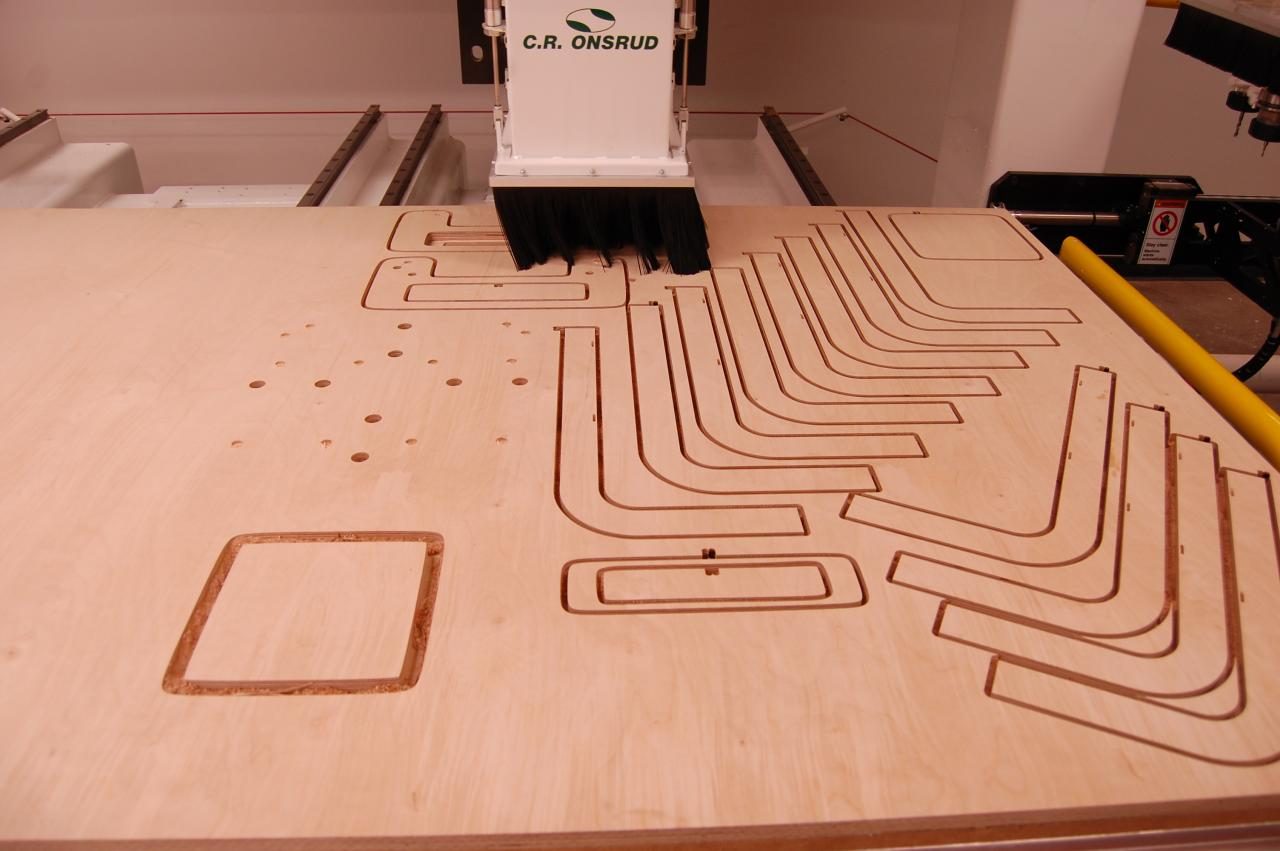
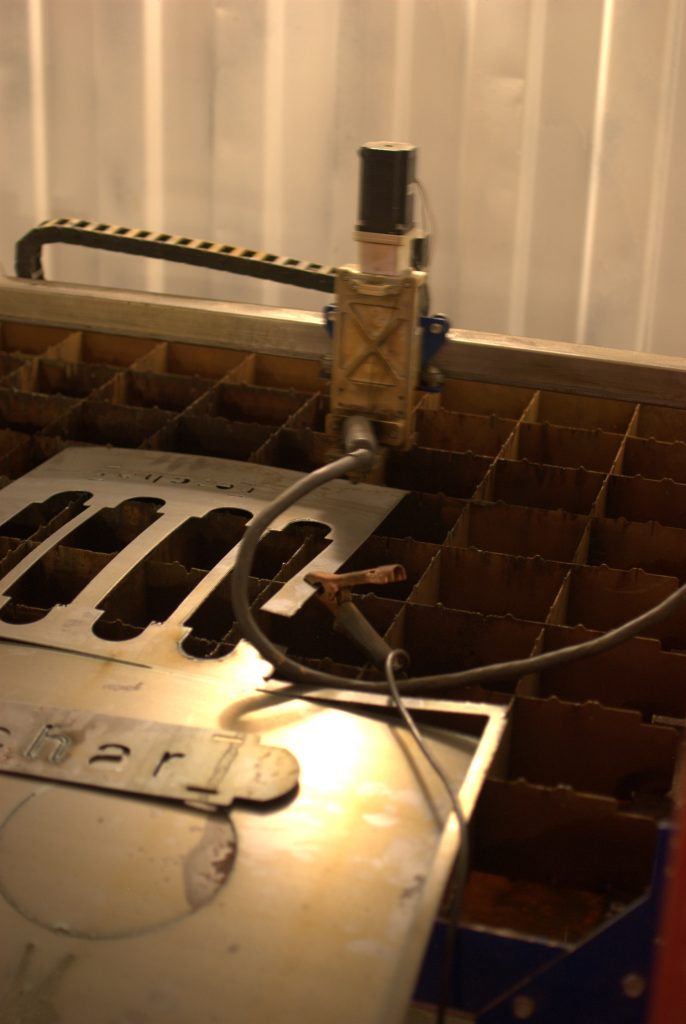
There are many kinds of CNC machines, each of which was created for a particular manufacturing use. Drilling, turning, and milling machines are some of the most prevalent CNC equipment. Milling machines use rotary cutters to remove material from a workpiece, and they are very precise and capable of producing complicated forms. Cylindrical or conical forms are frequently produced using turning machines, which employ a cutting tool to remove material from a revolving workpiece. To make holes in a workpiece, a drilling machine is employed. Other CNC equipment includes laser cutters, waterjets, and plasma cutters. The unique industrial application and the intended result will influence the machine selection.
Automatic CNC Machine Parts
CNC machines comprise several fundamental parts to produce the finished item. These parts include a control panel or interface, which enables the operator to enter instructions and manage the machine’s motion. The machine also has a spindle that holds the cutting tool and a worktable that secures the workpiece in position. Moreover, the machine has several motors, gears, and belts that steer the cutting tool in a certain direction. Additional cooling systems, dust collecting systems, and operator safety measures are also possible.
G-Code and CNC Programming Knowledge
CNC machines are managed using a language called G-code. It consists of instructions that tell the machine how to move and what to do, each of which begins with a letter and a number. To program CNC machines to produce the required part or product, one must have a solid understanding of G-code.
Creating a set of G-code instructions for CNC machines entails telling them how to move and function. G-code and the machine parameters they employ, such as the axis and direction of movement, spindle speed, and feed rate, require a profound understanding of CNC programmers.
The programmer must first generate a design in CAD software before they can program a CNC machine. The programmer must convert the finished design into G-code so the machine can read and interpret it. This entails segmenting the design into separate processes, such as milling or drilling, and assigning the proper G-code commands to each operation.
Detail-oriented CNC programming is necessary since even little mistakes during milling might cause serious issues. Hence, to guarantee the precision and effectiveness of the manufacturing process, it is crucial to have a full grasp of G-code and CNC programming. If used properly, CNC programming may be a potent tool for producing complicated components and products with great precision and reproducibility.
How to Get an Automated CNC Machine in Your Shop?
- Identify the sort of CNC machine that would best meet your production demands: It’s critical to comprehend your production requirements and the kind of CNC machine that would be most appropriate for them before investing in a CNC machine. This entails determining the kinds of goods you’ll produce, the resources you’ll use, and the degree of accuracy and precision needed.
- Researching CNC machine vendors and manufacturers: Research CNC machine vendors and manufacturers to find the perfect match for your shop. Seek businesses with a record of providing high-quality machines and top-notch customer service.
- Analyze the CNC machine’s installation and purchase budget: Consider the budget for acquiring and installing the CNC machine, which includes the price of the machine itself, the price of any extra hardware or software needed, and the price of setup and training.
- Speak with a salesperson from the manufacturer of the CNC machine to go through your alternatives: You must enquire about other products also which may satisfy your need. Afterward, you may select the equipment that best suits your demands by understanding its characteristics and capabilities.
- With the supplier, go through the machine’s electrical and physical needs and the installation and setup requirements. Be sure you comprehend the CNC machine’s installation and setup procedures, including any electrical or physical prerequisites.
- Arrange the workspace in your shop, making sure it fulfills the installation criteria: Before the CNC machine is delivered, ensure your workspace fits the installation criteria. This might entail changing the area or installing new electrical or ventilation systems. Schedule regular maintenance and service to guarantee that the CNC machine functions properly and lasts long. Maintenance includes cleaning, lubrication, and the repair of parts as needed.
- Organize the CNC machine’s delivery and installation, working with the provider to find a convenient time. Collaborate with the provider to schedule a convenient time for the CNC machine’s delivery and installation.
- Ascertain that the installation is carried out by a qualified technician from the provider or third-party installation service. Ensure that a competent technician with CNC machine expertise carries out the installation. This can be accomplished by employing a technician from the source or collaborating with a third-party installation service.
- Teach employees how to use the CNC machine safely and productively: Instructing your employees how to use the CNC machine securely and productively is critical. This comprises machine operation, maintenance, and troubleshooting training.
What is Right for You if You Want to Set Up an Automated CNC Machine in Your Shop?
- Identify the sort of items you will be producing.
- The type of items you make will determine the type of CNC machine most suited to your demands.
- Think about the resources you’ll be using.
- Various CNC machines are built to work with different materials, so consider the materials you’ll be working with before selecting a machine.
- Examine your knowledge of CNC machining.
- If you’re new to CNC machining, you should look for a machine that is simple to use and takes little setup.
- Examine your budget.
- CNC machines may be expensive. Therefore, it’s critical to assess your budget and select a machine that fits inside it.
- Assess the amount of room you have in your shop.
- CNC machines come in various sizes, so when selecting one, keep the available space at your workplace in mind.
- Determine the amount of precision and accuracy necessary for your products.
- Various CNC machines offer varied levels of precision and accuracy, so consider the needs of your products when selecting a machine.
- Search for a machine compatible with the applications you intend to use.
- Various CNC machines require different types of software, so be sure the machine you purchase is compatible with the software you’ll be utilizing.
- Consider the machine’s speed.
- The speed of the machine can impact the efficiency of your production process, so pick a machine that is quick enough to fulfill your demands.
- Choose the amount of automation you desire.
- CNC machines can be fully automated or require manual intervention, so consider the amount of automation you require when selecting a machine. Search for a machine compatible with the applications you intend to use.
- Choose a device with a solid warranty.
- To safeguard your investment and guarantee that you are covered in case of any problems, choose a CNC machine with a solid warranty.
- Consider the power needs of the device.
- Your shop needs the proper power supply to operate a CNC machine. Different CNC machines have different electrical requirements.
- Examine the noise output of the device.
- Consider the machine’s noise level while selecting a CNC machine.
- Look for a device that has received positive ratings and reviews.
- Read reviews and ratings to learn more about the functionality and dependability of different CNC machines. Look for a machine with good reviews if you want it to generate a high-quality product.
- Consider the dimensions of the workpiece you’ll be handling.
- Consider the capabilities of each CNC machine before choosing one, as well as the size of the workpieces they can handle.
- Consider how much customization is required for your products.
- Because various CNC machines have varying degrees of customizability, consider how much customization you require for your goods when choosing a CNC machine.
- Take into mind the complexity of your designs.
- If your ideas are complex, you might need a machine to carry out more difficult operations, including 5-axis machining.
- Choose a gadget with an intuitive user interface.
- Choose a machine with a simple interface so it is easy to operate and conduct your manufacturing process.
- Think about the availability of accessories and spare parts.
- Choose a CNC machine from a company with simple access to replacement parts and accessories to guarantee that your machine can be maintained and repaired when necessary.
- Examine the scope of the machine’s safety controls.
- Choose a machine with good safety features, such as emergency stop buttons and safety interlocks, to protect your safety and the safety of your personnel.
- Choose a machine that is easy to maintain and repair.
- Choose a CNC machine with easily accessible components and a simple maintenance schedule to save downtime and repair expenses.
- Consider how much software integration your production process requires.
- Choose a machine that has software that is compatible with your present manufacturing process to eliminate the requirement for further software integration.
Market Developments in CNC Machining
Because of the advent of new technologies and the rising need for more sophisticated production processes, the market for automated CNC machining technology is continuously changing. The following are a few recent market trends:
- Integration with new Industry: Industry 4.0 technologies like artificial intelligence, the Internet of Things, and cloud computing are increasingly being integrated with automated CNC machines. Its connection offers predictive maintenance, real-time monitoring and management of industrial processes, and data analytics for increased effectiveness and productivity.
- Precision machining is in high demand across a variety of sectors, including aerospace, healthcare, and automotive. Thus, there is an increasing need for CNC machines that can do high-precision machining.
- Deployment of hybrid machines: Manufacturing processes that integrate additive and subtractive processes are known as hybrid machines. Complex shapes that would be challenging to produce using conventional machining techniques may now be produced using these machines.
- Rise of 5-axis machining: 5-axis machining is becoming more popular since it allows for many angles of milling and increases the precision of the completed product. This technology is being used by more sectors because of its rising affordability and accessibility.
- Robots are now being used more often to automate monotonous operations like loading and unloading parts from CNC machines. With this integration, labor expenses are going down, and productivity is going up.
- Green manufacturing: Sustainability and minimizing environmental effects are becoming more and more important in the manufacturing industry. As a result, more eco-friendly and energy-efficient CNC machines have been created.
Applications for CNC Machining
- Aerospace: Complex aircraft parts, including turbine blades, engine parts, and landing gear, are produced using CNC machining.
- Medical: High-precision medical products, such as implants, prosthetics, and surgical tools, are made using CNC machining.
- Automobiles: CNC machining is used to make suspension, engine, and gearbox parts, among other auto parts.
- Electronics: Circuit boards, connections, and housings are made for electronic devices utilizing CNC machining.
- Construction: Architectural and aesthetic features like stairs, balustrades, and facades are made using CNC machining.
- Furniture: Custom furniture with sophisticated designs, such as tables, chairs, and cabinets, are made using CNC machining.
- Jewelry: The elaborate and detailed designs of rings, necklaces, and bracelets are created using CNC machining.
- Artificial intelligence will shape automated CNC machining in the future. AI-enabled CNC machines may learn from previous machining data to improve workflows, cut down on mistakes, and cut waste. This technology is anticipated to increase accuracy and efficiency while promoting cost savings.
- Internet of Things: CNC machines that are IoT-enabled may be monitored and managed remotely, enabling manufacturers to acquire real-time data and make wiser decisions to increase production and efficiency.
- Augmented reality: By offering detailed instructions for machine setup and maintenance, AR technology is anticipated to improve operator training and decrease downtime.
- Nanostructures: It is anticipated that using nanotechnology in CNC machining would increase accuracy and precision in micro-scale production.
- 3D Printers: It is anticipated that the combination of CNC machining with 3D printing technology will open new possibilities for hybrid manufacturing, enabling the production of goods with more complicated geometries.
- Conservation: By lowering waste and boosting energy efficiency, CNC machines should become more eco-friendly.
Overall, technical improvements continue to spur innovation and enhance industrial processes, making the future of CNC automated machining exciting. Businesses that invest in these technologies will be better able to remain competitive and satisfy client needs. CNC machines are the future whether we talk about the corporate sector or private industries. Not only in large spacing, but such machines can also carry out their tasks in small areas and shops with full effect. This is what makes this kind of technology so exciting for the upcoming investors, and they want to see the actual potential in the machine and its working. Moreover, these CNC machines can help in technological advancements, and those countries who would use them regularly on a larger scale will certainly get the benefit.
DO Supply Inc. makes no representations as to the completeness, validity, correctness, suitability, or accuracy of any information on this website and will not be liable for any delays, omissions, or errors in this information or any losses, injuries, or damages arising from its display or use. All the information on this website is provided on an "as-is" basis. It is the reader's responsibility to verify their own facts.