Industrial Automation And The Environment: Balancing Efficiency With Sustainability
The status of the Environment has become a critical issue due to the fast growth in the number of industries around the world. While businesses support economic development and technical breakthroughs, their growth has resulted in many environmental issues. The state of the Environment is examined in this essay in light of the growing industrial activity. Industries have contributed significantly to pollution by releasing contaminants into the soil, water, and air. This has led to water contamination from inappropriate waste disposal, air pollution from manufacturing emissions and vehicle exhaust, and soil pollution from harmful compounds. Additionally, companies have contributed to deforestation via mining and logging, which cause habitat damage and biodiversity loss.
Another effect of industrial expansion is resource depletion because of how much fossil fuel, mineral, and water enterprises need. Additionally, it significantly contributes to greenhouse gas emissions that cause climate change and its effects on industrial operations.
Industry Posing Threats To The Environment:
Concerns have been raised about the state of the Environment in light of the growth in industrial activity. Industries can have detrimental effects on the Environment even if they are a significant factor in economic progress and technical improvement. Here are some essential things to think about:
Pollution: Industries often release numerous contaminants into the soil, water, and air. Emissions from companies, power plants, and automobiles in industrial operations produce air pollution. Chemicals and industrial waste should never be dumped into waterways. The discharge of heavy metals or hazardous compounds can cause soil contamination.
Deforestation: Sectors including mining, logging, and agriculture may contribute to the degradation of habitats and loss of biodiversity due to deforestation. Forests are crucial to maintain ecosystems, sequester carbon, and support a diverse variety of plant and animal species.
Depletion of resources: Industrial activities use many natural resources, such as water, minerals, and fossil fuels. These resources can become exhausted via extraction and usage, harming the ecosystem over time and affecting future generations.
Climate change: Carbon dioxide (CO2) from the combustion of fossil fuels is the main greenhouse gas emitted by industrial operations. Due to these emissions, temperatures are increasing, weather patterns are changing, and other ecological imbalances exist.

Waste generation: A large quantity of garbage is produced by industries, including toxic and non-biodegradable compounds. The improper management or disposal of waste can harm wildlife, degrade water sources, and taint ecosystems.
Global warming: Industrial activities play a significant role in climate change and global warming. Carbon dioxide (CO2) and other greenhouse gases are released into the atmosphere in considerable volumes when fossil fuels like coal, oil, and natural gas are burned.
The result of these gases trapping heat raises global temperatures. Melting ice caps and glaciers, rising sea levels, harsh weather, and changes in ecosystems and habitats are all effects of global warming.
Optimizing Industrial Automation While Balancing Efficiency And Sustainability :
Here are some of the main points of how we can balance the boom of industrial automation with environmental sustainability:
Using Energy-Efficient Systems :
The use of energy-efficient technologies is crucial in the effort to maximize industrial automation and achieve environmental sustainability. Industries may lessen their gas emissions, save natural resources, and support a more sustainable environment by combining cutting-edge mathematical approaches with a focus on energy saving.
Industries may reduce their energy usage and the accompanying greenhouse gas outlets by using energy-efficient technology. By utilizing mathematical optimization models and algorithms, industries can determine the ideal arrangement of procedures, machinery, and resource allocation that maximizes energy efficiency while fulfilling production objectives. Consequently, less energy is wasted, and less harm is done to the Environment.
Some of the systems include EMS systems, Variable frequency drives, Heat recovery systems, and energy-efficient HVAC systems. Additionally, using real-time energy monitoring systems with statistical analysis makes pinpointing energy inefficiencies, problem regions, and hotspots possible. Techniques for modeling and simulating energy flow, such as computational fluid dynamics (CFD) and discrete event simulation, give information on how energy is distributed, how heat is transferred, and how much energy is lost. This information helps improve processes and design equipment.
Additionally, using machine learning algorithms enables businesses to make wise choices regarding energy management. These algorithms can forecast trends in energy demand and optimize management techniques to reduce energy consumption without sacrificing production quality or throughput by analyzing historical and real-time sensor data. This allows businesses to balance sustainability and efficiency, encouraging environmentally friendly behavior.
Implementing Life Cycle Assessment :
The lifecycle assessment (LCA) method is essential for improving industrial automation while considering the environment. The industry may make educated decisions to improve sustainability and reduce environmental footprints using mathematical models and thorough analysis.
SimaPro, GaBi, and Ecoinvent are just a few of the available databases and software programs to make it easier to gather, analyze, and model data for LCA investigations. Additionally, it assesses any potential environmental effects brought on by a system’s or product’s life cycle. It analyses and evaluates a range of effect categories, including eutrophication, resource depletion, climatic change, and human toxicity. LCA entails calculating and assessing a process’s environmental effects, from the extraction of raw materials to waste disposal. It uses mathematical methods such as matrix algebra and system dynamics modeling to assess inputs, outputs, and related environmental costs. Using mathematical procedures and equations, LCA computes ecological indicators, including carbon emissions, energy usage, and resource depletion.
Regression analysis and Monte Carlo simulations are two mathematical data analysis techniques that LCA also uses to evaluate the uncertainties and variability in environmental impact assessments. It helps businesses assess various factors’ impact, pinpoint the major causes of environmental burdens, and guide decision-making.
Industries can maximize industrial automation while minimizing environmental consequences by combining LCA with mathematical modeling and optimization methodologies. For a more environmentally sensitive future, companies may use this technical approach to make data-driven decisions, enhance eco-design strategies, and create sustainable practices.
Smart Grid Integration:
Smart grid integration has several advantages for improving industrial automation and fostering environmental sustainability. Industries may increase operational efficiency, minimize energy waste, and promote a cleaner environment by successfully integrating automation systems with smart grids.
Energy efficiency in industrial automation operations is a significant benefit of smart grid integration. Industries may match their energy use to real-time grid conditions and pricing signals using sophisticated mathematical models and control algorithms. This enables energy use optimization and cost-reduction techniques, including load shifting, demand response, and peak shaving.
Additionally, the smooth incorporation of renewable energy sources into industrial automation is made possible through smart grid integration. Enterprises can dynamically change their operations by utilizing data and sophisticated forecasting algorithms to maximize renewable energy generation. This lessens dependency on fossil fuels, reduces greenhouse gas emissions, and encourages using various renewable energy sources.
Carbon Foot Print Reduction :
Industrial automation that reduces its carbon footprint improves operations and the Environment—industries lower emissions by increasing energy efficiency through process optimization and sophisticated control algorithms. Reduced reliance on fossil fuels reduces greenhouse gas emissions, achieved through investing in renewable energy sources. Carbon emissions are reduced by sustainable supply chain practices, including enhancing transportation routes and cutting back on packaging waste. Adopting cutting-edge techniques and low-carbon technology improves resource efficiency and lowers the global carbon footprint. A sustainable future is promoted as industrial automation is maximized by prioritizing carbon footprint reduction.
Green Supply Chain Management :
Collaboration with suppliers who are committed to the Environment is encouraged through green supply chain management. Industries may ensure that the materials and components used in the automation process are ecologically friendly by working with suppliers who follow sustainable practices.
This encourages using environmentally friendly products, lessens carbon emissions, and fosters sustainable supply chain development.
The emphasis on environmentally friendly logistics is another green supply chain management component. Industries may save fuel use and emissions by employing effective transportation methods, including route optimization and modal shift. As a result, carbon emissions are reduced, and the supply chain is managed more sustainably.
Additionally, eco-friendly supply chain management encourages innovation and the use of green technology. The automation process may help businesses use less energy, produce less trash, and pollute the Environment by promoting the development and application of clean technology.
Implementing Green Building Design :
Industries can achieve increased energy efficiency by incorporating sustainable ideas into the design and construction of industrial facilities. The increase in energy efficiency is brought about by industrial automation incorporating green building design. Industries may dramatically lower their energy use by combining effective insulation, energy-efficient lighting systems, and smart HVAC controls. As a result, there will be less need for non-renewable energy sources, cheaper operational expenses, and a smaller carbon impact. Furthermore, using renewable energy sources is encouraged by green building design. Industries can create clean energy on-site by incorporating solar panels, wind turbines, or other renewable energy technologies.
The focus on sustainable building materials and methods is another part of green building design. Industries may reduce the environmental effect of building by using eco-friendly materials like recycled or locally produced materials. A healthy interior atmosphere is also supported by green building design. Industries may provide employees with a cozy and healthy work environment by implementing correct ventilation systems, employing low-toxicity materials, and ensuring enough natural light. This encourages health, efficiency, and a favorable workplace atmosphere.
Water Conservation In Industries:
Using sustainable water management techniques in industrial automation has several advantages, improving productivity and positively affecting the environment. Improved automation efficiency and lower operating costs are two benefits of efficient water management, which minimizes waste and maximizes consumption efficiency. Additionally, it promotes environmentally responsible resource management and the availability of water supplies for future generations. By limiting withdrawals from natural sources and lowering wastewater output, water conservation maintains biodiversity, protects water quality, and aids in maintaining aquatic ecosystems. Sustainable water management practices also guarantee adherence to environmental standards, avoid fines, and preserve a positive reputation in the sector.
Additionally, it increases resiliency to hazards associated with water shortages, allowing ongoing operations in water-stressed areas or during droughts. Participating stakeholders in sustainable water projects promote environmental consciousness and improves the sector’s standing. Further enhancing automation efficiency and sustainability encourages innovation and implementation of water-efficient solutions. Businesses may increase operational efficiency, save costs, preserve the Environment, and achieve long-term sustainability by incorporating sustainable water management practices into industrial automation.
Emission Control Technologies:
Controlling emissions is essential for maintaining environmental sustainability and increasing industrial automation efficiency. Industries may successfully cut emissions and minimize their ecological impact by integrating various innovative technologies. Scrubbers, catalytic converters, and electrostatic precipitators are just a few of the technologies that are essential for absorbing and eliminating pollutants from automated processes. Process optimization strategies, including energy management, waste minimization, and regenerative thermal oxidizers (RTOs), can reduce emissions by increasing operational effectiveness. Further reducing emissions include using energy-efficient automation systems, alternative fuels like compressed natural gas (CNG) or biodiesel, and incorporating renewable energy sources like solar and wind power.
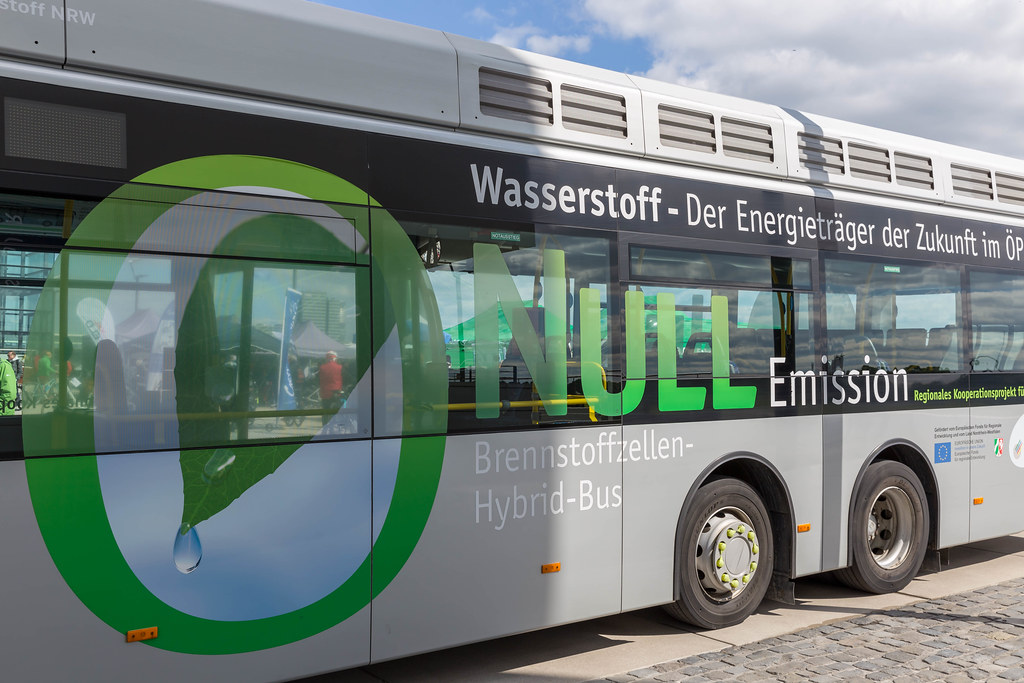
Continuous emission monitoring systems (CEMS) are used to monitor emissions continuously and offer real-time data for emissions management. Compliance with emissions rules ensures conformity to standards. A culture of environmental responsibility is fostered by employee training programs and awareness campaigns that encourage the usage of technology like selective catalytic reduction (SCR) and low-NOx burners. Companies may achieve a sustainable future through maximum automation efficiency and cutting-edge technology like gas recirculation and hybrid electric systems, reducing emissions dramatically.
Sustainable Packaging:
Sustainable packaging is essential to maximize industrial automation effectiveness while maintaining environmental responsibility. Industries can use a number of tactics that emphasize eco-friendly packaging techniques to achieve this. One important factor is material choice, where eco-friendly options are selected to minimize environmental impact and encourage resource conservation, such as bio-plastics, recycled paper, compostable packaging made of bagasse or cornflour, and bio-based polymers made from renewable sources, such as sugarcane or algae. Additionally, it’s important to design packaging to be as small and effective as possible, minimize the amount of material used, maximize the amount of storage space, and lower transportation costs and carbon emissions.
Sustainability objectives are further advanced by cooperation with suppliers to find environment-friendly packaging materials, such as packaging made of seaweed or mushrooms, and to build ethical supply chain procedures. Environmental awareness and behavior change are encouraged by educating consumers about the value of sustainable packaging and ethical disposal methods. Sustainability commitment is shown by adherence to environmental laws and certifications like FSC or Cradle to Cradle. Continuous improvement in packaging processes, materials, and technologies is driven by regular assessment, data analysis, and innovation for increased effectiveness and environmental advantages. Industries may maximize automation effectiveness, reduce environmental impact, and pave the road for a more sustainable future by using these sustainable packaging practices.
Waste Management:
For industrial automation to operate as efficiently as possible while maintaining environmental sustainability, it is essential to implement appropriate waste management practices. A methodical strategy is required to incorporate diverse waste management approaches. First, source reduction seeks to reduce waste output at its source by enhancing production procedures, redesigning goods, or using substitute resources. Initiatives for recycling and reuse should be set up to separate and recycle various waste items, such as paper, plastics, glass, metals, and electronic waste. Biodegradable materials can be transformed into nutrient-rich compost for landscaping or agriculture by composting organic waste. Specific waste streams may be transformed into clean energy sources using waste-to-energy techniques like anaerobic digestion or incineration.
To avoid threats to the Environment and human health, hazardous waste management makes sure that items are handled, stored, treated, and disposed of safely. The correct garbage disposal in authorized sites while considering environmental protection measures is known as landfill management. Systems for waste auditing and monitoring keep tabs on trash creation, disposal, and recycling rates and analyze them to find areas that may be improved. Industrial automation can maximize productivity, reduce environmental impact, and promote a sustainable future by implementing these all-inclusive waste management solutions.
Conclusion:
In conclusion, it is crucial in the current world to pursue industry optimization while juggling sustainability and efficiency. We have looked at various tactics and factors throughout this article to establish this delicate balance. Industrial optimization places a high priority on efficiency, and developments in technology and automation have been vital in simplifying operations, cutting waste, and raising output. Using cutting-edge technologies like robots, artificial intelligence, and real-time data analytics allows enterprises to increase productivity while reducing mistakes and downtime. However, it’s crucial to guarantee that efficiency improvements are complemented with environmentally friendly procedures. Businesses must put environmental protection first by taking action to cut back on resource use, minimize emissions, and advance the circular economy concepts. This involves including waste management plans, sustainable buying methods, and the use of renewable energy sources. Collaboration is necessary to strike the right balance between sustainability and efficiency. Industry players, governmental organizations, research institutions, and communities must collaborate to create and execute industry-wide standards, share information, and promote innovation. Businesses may benefit the environment while keeping their competitive advantage by establishing a culture of sustainability.
DO Supply Inc. makes no representations as to the completeness, validity, correctness, suitability, or accuracy of any information on this website and will not be liable for any delays, omissions, or errors in this information or any losses, injuries, or damages arising from its display or use. All the information on this website is provided on an "as-is" basis. It is the reader's responsibility to verify their own facts.