Exploring the Role of Nanotechnology in the Future Industrial Automation
Nanotechnology is the atomic and molecular engineering of matter. It is a rapidly evolving field that has the power to completely transform a variety of sectors, including industrial automation. The application of technology to manage and observe industrial operations is known as industrial automation. It is utilized in a variety of sectors, such as manufacturing, food processing, and logistics. Productivity, quality, and safety can all be enhanced with industrial automation.
Here are several examples of how new and enhanced industrial automation systems are being created using nanotechnology. New forms of sensors that are smaller, more sensitive, and more robust than conventional sensors are being developed using nanomaterials. For instance, sensors that can pick up on minute changes in temperature, pressure, and chemical composition are being created using carbon nanotubes. New kinds of actuators that are more potent and responsive than conventional actuators are also being developed using nanomaterials. For instance, piezoelectric nanoparticles are being used to create actuators that have a very high force-to-volume ratio compared to their size. New kinds of control systems that are smarter and more effective than conventional control systems are also being developed using nanomaterials. For instance, real-time production process optimization could be achieved with nano-based control systems.
Applications of Nanotechnology in the Field of Industrial Automation
Nanotechnology is being employed to create a new generation of industrial automation sensors, actuators, and control systems. These systems are smaller, more sensitive, and more resilient than traditional systems, and they have the potential to revolutionize the monitoring and management of industrial processes. Here are some specific examples of nanotechnology-based sensors, actuators, and control systems used in industrial automation today:
Nanotechnology-based sensors are more accurate and effective at monitoring and controlling industrial processes compared to conventional sensors. Examples of applications for nanotechnology-based sensors include real-time product quality monitoring and early fault detection. Carbon nanotube sensors are being utilized to detect a variety of substances and gases, including pollution, explosives, and dangerous compounds. They’re also utilized to keep track of industrial activities like chemical manufacturing and food processing. Sensors made of graphene are used to measure pressure, temperature, and humidity. They’re also being used to create novel chemical and biological sensors. Quantum dot sensors are being developed to detect a wide variety of chemicals and biological substances. They are also used in the development of new types of medical diagnostic sensors.
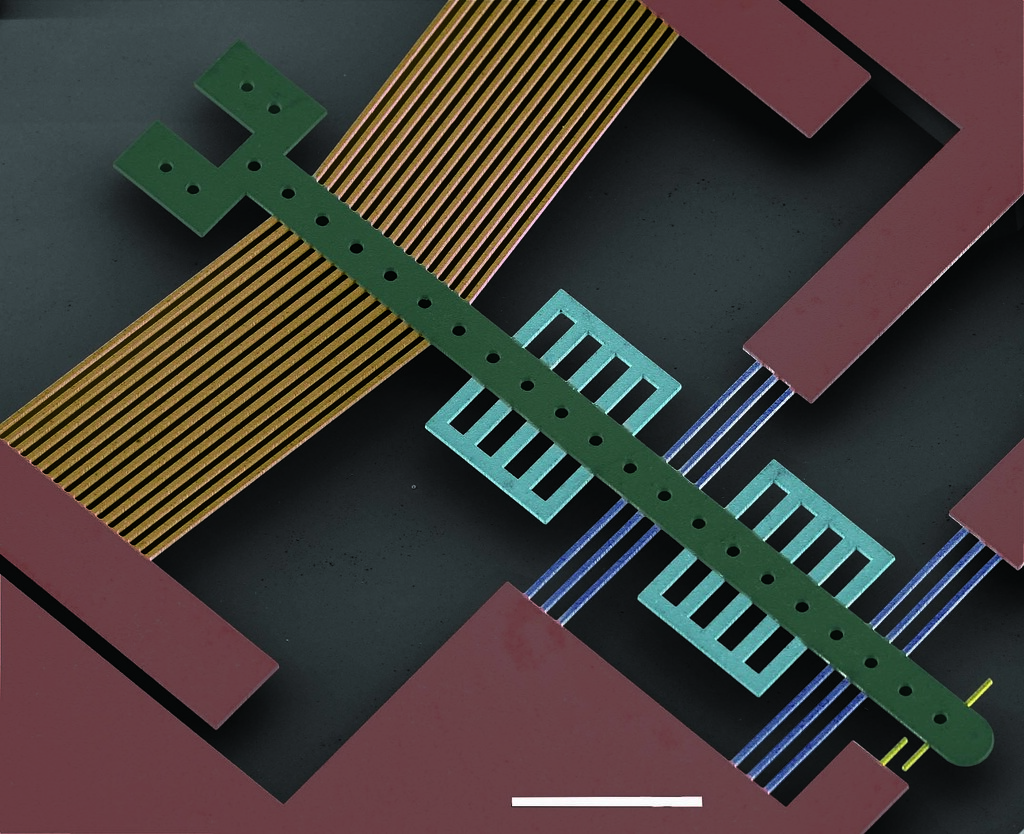
Nanotechnology-based actuators are more effective and precise at controlling industrial operations. Piezoelectric nanoparticles are being used to create new forms of actuators that are more powerful and responsive than standard actuators. These actuators can be used to precisely control the movement of robots and other machinery. Shape-memory alloys are being used to create new types of actuators that can change shape in response to temperature or other stimuli. These actuators have the potential to be used to create new sorts of robots and other machines with unique capabilities. Nanoparticle-based actuators are being developed to control fluid and gas movement. These actuators have the potential to be used to create new types of microfluidic devices and other biomedical devices.
Nanotechnology based Control systems can be used to instantly improve industrial processes. To ensure that products satisfy quality requirements, for instance, production parameters can be changed using control systems based on nanotechnology. Nano-based control systems are being developed to optimize industrial operations in real time. These systems can monitor industrial processes with nanotechnology-based sensors and regulate them with nanotechnology-based actuators. Control systems based on nanotechnology have the potential to increase the efficiency and quality of industrial processes.
Long-Term Advantages of the Use of Nanotechnology in the Field of Industrial Automation
The advantages of nanotechnology for industrial automation are substantial and widespread. The way we create, build, and run industrial systems could be completely altered by nanotechnology. The following are some advantages of applying nanotechnology to industrial automation:
It offers better quality by allowing for earlier flaw detection and more accurate manufacturing process management, nanotechnology can contribute to higher-quality products. It enhances accuracy and precision. Nanotechnology can be used to create sensors and actuators that are more accurate and precise than conventional parts. This might result in major enhancements to the consistency and quality of manufactured goods. Nanotechnology can also be used to create innovative, more efficient, and cost-effective manufacturing processes and materials. Price reductions for both consumers and businesses may result from this. It has also contributed to the enhanced safety or new safety features for industrial items and equipment that can be created using nanotechnology. This might lower the likelihood of accidents and injuries. New industrial automation systems that are more effective and productive can be created using nanotechnology. For enterprises, this can result in higher output and cheaper expenses. Nanotechnology can be used to create innovative, ecologically friendly industrial processes and materials. This might contribute to resource conservation and pollution reduction. Nanotechnology can be used to create new industrial automation systems with previously unimaginable capabilities. Nanotechnology, for example, might be utilized to create self-assembling nanorobots capable of performing complex manufacturing and assembly tasks. It can be employed to create more reliable and long-lasting industrial automation systems. This might result in less downtime and lower maintenance expenses for organizations.
Nanotechnology can be used to create industrial automation systems with improved performance attributes such as increased speed, strength, and efficiency. This technology can be employed to create industrial automation systems with long lifespans. This could lessen the need for replacement and maintenance, ultimately saving firms money. Nanotechnology can be used to create industrial automation systems that are smaller and lighter than standard systems. This may make them easier to install and maintain, as well as save transportation costs.
In general, nanotechnology has the potential to transform industrial automation. Nanotechnology, through enabling the development of new and improved sensors, actuators, and control systems, has the potential to improve productivity, quality, and safety, and cut costs in a variety of industries which will keep on improving the industrial automation world in the future.
Challenges Faced by Nanotechnology in the Field of Industrial Automation
Nanotechnology is a rapidly evolving field that has the potential to transform numerous industries, including industrial automation. However, several challenges must be overcome before nanotechnology can be widely used in industrial automation applications. A few challenges that have been faced by nanotechnology in the field of industrial automation have been listed below:
Nanotechnology is still in its early stages, producing and manufacturing nanomaterials and nanodevices can be costly. Many small and medium-sized enterprises face this as a barrier to entry. There are worries that nanoparticles may be detrimental to human health and the environment. More research is required to fully comprehend the long-term safety of nanotechnology. Scaling up the manufacturing of nanomaterials and nanodevices to satisfy the needs of industrial automation might be difficult. To solve this issue, researchers are proposing new production techniques. Nanotechnology requires norms and rules. This is critical for ensuring the safety and quality of nanotechnology products. As machines and robots become more capable and efficient, nanotechnology may result in the displacement of some workers. Nanotechnology could be utilized for unethical goals such as inventing new weapons or constructing systems to watch and control people. Nanotechnology is a complex field, and it can be difficult to understand and predict the behaviour of nanomaterials. This could make it difficult to develop and deploy nanotechnology-based industrial automation systems.
When adopting nanotechnology, there is a possibility of unforeseen repercussions. Nanomaterials, for example, may interact with the environment in unexpected ways, potentially having detrimental consequences. Nanotechnology has the potential to create a new technological reliance. This could render us more exposed to supply chain disruptions or cyberattacks. This nanotechnology has the potential to be utilized to produce new surveillance systems that breach our privacy. It could be utilized to produce new weapons or systems capable of attacking key infrastructure which can lead to security risks.
Before applying nanotechnology in industrial automation applications, it is critical to assess the potential challenges. It is also critical to create safeguards and regulations to reduce the hazards of nanotechnology in the future. Overall, nanotechnology has the potential to revolutionize industrial automation, but it is critical to be mindful of the potential drawbacks.
Opportunities for Nanotechnology in the Future Industrial Automation:
Despite these obstacles, nanotechnology has a variety of potential applications in future industrial automation. Nanotechnology has the potential to be used to create new and better sensors, actuators, and control systems. As a result, industrial automation systems could become more efficient, productive, and secure. Here are some concrete examples of the prospects for nanotechnology in future industrial automation applications:
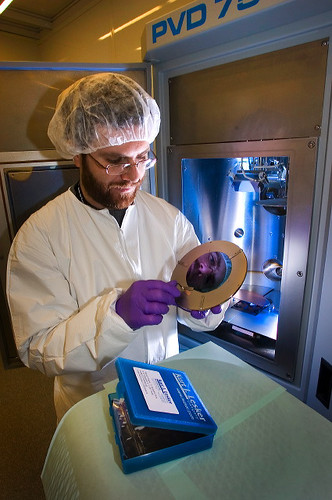
Sensors based on nanotechnology can be used to monitor and manage industrial processes more precisely and efficiently than traditional sensors. Nanotechnology-based sensors, for example, might be used to monitor product quality in real-time and spot faults early on. This could help to increase product quality while also lowering expenses. Nanotechnology-based actuators are more precise and efficient than traditional actuators in controlling industrial processes. Nanotechnology-based actuators, for example, might be used to more precisely control the movement of robots and other machinery. This could result in more efficient and advanced production processes.
Control systems based on nanotechnology can be utilized to optimize industrial operations in real time. Control systems based on nanotechnology, for example, might be used to modify production settings to guarantee that products satisfy quality standards. This could help to cut expenses and increase production process efficiency. In addition to these specialized uses, nanotechnology offers the potential to enable previously unimaginable new and revolutionary industrial automation systems. Nanotechnology, for example, might be utilized to create self-assembling nanorobots capable of performing complex manufacturing and assembly tasks. Nanotechnology could also be utilized to create “smart” objects that contain sensors and actuators that allow them to monitor and manage their performance.
Future of Nanotechnology in Industrial Automation
Nanotechnology is still a young area, yet it is growing quickly. As nanotechnology advances, we may anticipate even more inventive and game-changing applications of nanotechnology in industrial automation. In many ways, nanotechnology has the potential to revolutionize industrial automation. Nanotechnology-based sensors, for example, can be used to more precisely monitor industrial processes and discover flaws early on. Nanotechnology-based actuators can be used to precisely control robots and other machinery. Control systems based on nanotechnology can be used to optimize production processes in real-time.
Here are some particular instances of what we might see in the future of industrial automation using nanotechnology.
Nanorobots that self-assemble could be used to undertake complicated manufacturing and assembly jobs with unparalleled precision and efficiency. Self-assembling nanorobots, for example, might be utilized to manufacture electronic gadgets or repair damaged machinery.
Nanotechnology-based sensors and actuators could be incorporated into products to monitor and regulate their performance. This could pave the way for the creation of “smart” items that are more intelligent and sensitive than standard ones. Nanotechnology-based sensors, for example, might be implanted in aircraft engines to monitor performance and predict when the repair is required. Nanotechnology-based actuators could be incorporated into medical equipment to regulate them and administer exact doses of medication to patients.
Nanotechnology-based control systems that can learn and adapt to changing situations could be produced. This could result in more efficient and robust industrial automation systems. For example, nanotechnology-based control systems could be employed to ensure that power networks can satisfy the changing demands of electricity consumers.
Overall, the future of nanotechnology in industrial automation appears to be bright. Nanotechnology has the potential to transform the way we design, build, and run industrial systems. It is needed to take some measures to bring progress in the field of nanotechnology for industrial automation. Governments and industry must invest more money in R&D to speed the development of novel nanomaterials and nanodevices for industrial automation applications.
The development of new nanotechnology manufacturing processes is required. New nanotechnology manufacturing processes must be developed to reduce the cost of producing nanomaterials and nanodevices, making nanotechnology more accessible to businesses and consumers. The creation of nanotechnology safety norms and regulations is also required to ensure that nanotechnology is used responsibly in industrial automation applications while safeguarding human health and the environment, safety standards and regulations must be devised.
Nanotechnology is a rapidly evolving field that has the potential to transform numerous industries, including industrial automation. By working on the above-mentioned areas nanotechnology can be ensured to revolutionize industrial automation for the better.
DO Supply Inc. makes no representations as to the completeness, validity, correctness, suitability, or accuracy of any information on this website and will not be liable for any delays, omissions, or errors in this information or any losses, injuries, or damages arising from its display or use. All the information on this website is provided on an "as-is" basis. It is the reader's responsibility to verify their own facts.