Understanding Popular PLC Communication Protocols
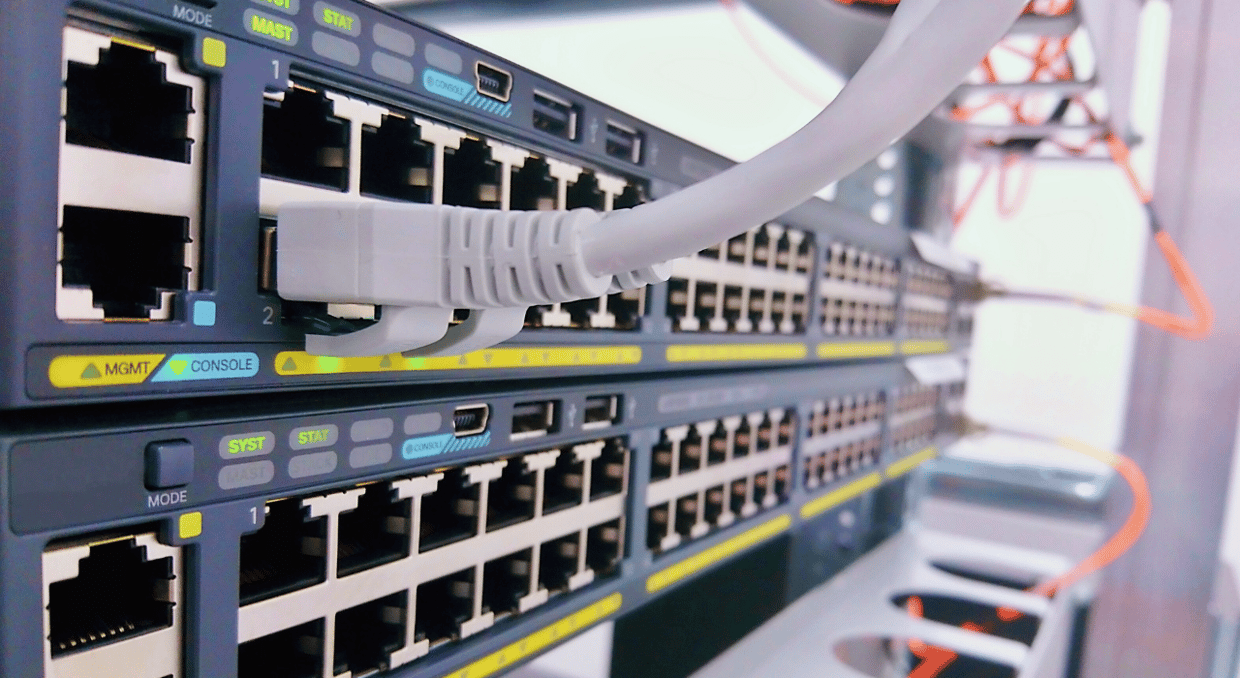
Communication is a trait that can be studied not only in humans and animals but also in machines. Just like the people around you, machines, specifically automation equipment, talk to each other to pass vital information along. This information is then sent to equipment like robot arms to assemble pieces of a product or to PLCs to indicate that a conveyor has stopped. This communication is entirely in a new language developed specifically for the industrial environment: PLC communication protocols.
These protocols serve as the foundation of industrial automation, enabling a diverse array of devices to understand each other and work together seamlessly. They dictate how data is formatted, transmitted, and interpreted across networks, ensuring that every message sent is accurately received and acted upon. Without these protocols, the precise choreography of movements and actions that we take for granted in automated systems would be impossible.
PLC communication protocols vary widely in their design, capabilities, and applications. Some are tailored for simple, direct tasks, while others are designed for complex data exchange and control tasks across vast, interconnected systems. Regardless of their complexity, the goal remains to facilitate reliable, efficient, and real-time communication between machines.
The Essentials of PLC Communication Protocols
At the heart of any automated system is the ability to share information swiftly and accurately. This is where PLC communication protocols come into play, acting as the standardized languages that allow devices within these systems to communicate. But what exactly are these protocols, and how do they work? Let’s break down the basics.
Understanding Communication Protocols
A PLC communication protocol is a set of rules governing how data is transmitted and received between devices in an industrial automation setting. Imagine it as the grammar and vocabulary that machines use to understand each other. Just as humans use language to convey ideas, machines use these protocols to send commands, receive status updates, and coordinate actions with precision.
Each protocol has its own “dialect” or set of rules that define everything from the data format and speed of communication to error handling and data security. These protocols ensure that a command sent from one part of the system is interpreted correctly and executed by another, regardless of the manufacturer or the specific technology being used.
The Role of Protocols in Industrial Automation
The primary role of PLC communication protocols is to enable interoperability among diverse devices and systems within an industrial environment. This includes everything from sensors and actuators to more complex equipment like robotic arms and human-machine interfaces (HMIs). By adhering to a common set of communication standards, these disparate elements can work together seamlessly, enhancing automated systems’ efficiency, reliability, and flexibility.
For example, in a manufacturing line, a sensor might detect that a product has reached a specific stage in the assembly process and communicate this information through a PLC to a robotic arm. The arm, understanding the message through the shared protocol, then knows to pick up the product and move it to the next station. This level of coordination is crucial for maintaining the speed and accuracy required in modern industrial operations.
Key Components of Communication Protocols
While various protocols differ in their specifics, most share a few key components:
- Data Encoding: How information is converted into a format suitable for transmission.
- Message Framing: The structure of a message, including start and end markers, data, and potentially error-checking information.
- Transmission Medium: The physical or wireless pathways through which the data is sent (e.g., Ethernet cables, Wi-Fi).
- Synchronization: Mechanisms that ensure the sender and receiver are aligned in time, enabling accurate data interpretation.
- Error Detection and Correction: Methods for identifying and fixing errors that may occur during transmission, ensuring data integrity.
Understanding these components helps in grasping how PLC communication protocols manage the complex task of machine-to-machine interaction, laying the groundwork for exploring specific protocols and their unique characteristics.
Modbus
Developed in 1979 by Modicon (now Schneider Electric) for its PLCs, Modbus has evolved into a widely adopted communication protocol. Its longevity and ubiquity are a direct result of its straightforward, open protocol design, allowing for easy implementation and integration across a vast array of devices and manufacturers.
At its core, Modbus allows for the exchange of information between devices in an industrial setting, such as between a PLC (Programmable Logic Controller) and various sensors, actuators, or other PLCs. It’s like having a group of workers on a factory floor, each speaking a different language but needing to coordinate to complete tasks efficiently. Modbus would be the agreed-upon language they all decide to use to communicate effectively.
How Modbus Works
Modbus is fundamentally built on a master-slave architecture, where a primary device initiates transactions (queries) to control or gather data from secondary devices. This design facilitates clear, directed communication within networks, reducing the potential for data collision and simplifying troubleshooting.
- Modbus RTU and Modbus TCP/IP: Modbus operates over two primary mediums: Serial (Modbus RTU) and Ethernet (Modbus TCP/IP). Modbus RTU is renowned for its simplicity and effectiveness in serial communication, utilizing RS-232, RS-422, or RS-485. Modbus TCP/IP, on the other hand, extends Modbus over TCP/IP networks, enabling integration with modern network infrastructure and Internet of Things (IoT) applications.
- Data Model: Modbus defines a simple data model that includes discrete inputs, coils, input registers, and holding registers, allowing for a variety of data types to be transmitted, including binary, discrete outcomes, and analog values.

Imagine a manufacturing line where bottles are filled, capped, and labeled. The PLC is the brain of the operation and is tasked with coordinating each step. Here’s how Modbus might come into play:
- Sensing the Bottle: At the start of the line, a sensor detects when a bottle is in place to be filled. This sensor communicates via Modbus to inform the PLC that a bottle is present.
- Filling the Bottle: Upon receiving the signal, the PLC sends a command through Modbus to the filling machine to start filling the bottle. After completing the task, the filling machine sends a message back to the PLC indicating that the bottle has been filled.
- Capping and Labeling: Similarly, the PLC then instructs the capping machine to cap the bottle and the labeling machine to label it, each time sending and receiving messages via Modbus to coordinate these actions.
This process relies on Modbus to facilitate the conversation between the PLC and the various machines. Without it, there would be no standardized way for these devices to share status updates or receive instructions, leading to inefficiency and errors.
Advantages of Modbus
- Simplicity: Its simple structure allows for easy implementation and integration, reducing development and maintenance costs.
- Flexibility: Modbus’s open protocol ensures it can be used with a wide variety of devices regardless of the manufacturer.
- Scalability: It can be effectively implemented in small-scale applications and scaled up to larger, more complex systems.
- Wide Industry Support: A large ecosystem of tools and libraries exists for Modbus, supporting its implementation across various platforms and devices.
Modbus in Modern Industrial Applications
Despite its age, Modbus remains highly relevant in today’s industrial automation landscapes, particularly in applications where simplicity, reliability, and broad device compatibility are paramount. Its continued evolution, especially with the advent of Modbus TCP/IP, ensures its applicability in contemporary IoT and smart manufacturing initiatives.
- Industrial Control Systems: Modbus is commonly used for connecting industrial electronic devices, making it a staple in many PLC-based control systems.
- Building Automation: Its reliability and ease of use make it an excellent choice for managing building control systems, such as HVAC, lighting, and access control.
- Energy Management: Modbus is often utilized in energy monitoring and management systems, facilitating communication between energy meters, sensors, and management software.
Limitations of Modbus
Modbus may fall short in handling high-speed transactions or managing large volumes of data efficiently compared to newer communication protocols. This limitation is particularly notable in modern industrial settings where rapid information exchange and processing are critical. Furthermore, the basic Modbus protocol lacks built-in security features, rendering it susceptible to potential cyber threats in its original form. While this vulnerability poses significant risks in increasingly connected industrial environments, it can be mitigated by implementing secure network configurations and using Virtual Private Networks (VPNs). These additional security measures, however, require further investment and complexity in network setup, underscoring the need to balance Modbus’s simplicity and cost-effectiveness with the demands for higher data throughput and enhanced security.
Profibus
Profibus (Process Field Bus) is a pivotal standard in the domain of fieldbus communication systems within automation technology. Developed to foster efficient, reliable communication between control systems and field devices, Profibus is integral to both manufacturing and process automation.
Understanding Profibus Architecture
Profibus networks facilitate communication using a centralized controller to set up field devices, where controllers can communicate with various devices like sensors, actuators, and drives. This structure supports a coherent flow of information, ensuring that devices operate harmoniously based on the control logic and feedback from the field.
- Profibus DP (Decentralized Peripherals): This variant is tailored for fast, reliable communication in manufacturing environments, directly connecting controllers to devices such as sensors and actuators.
- Profibus PA (Process Automation): Suited for process industries with potentially explosive environments, PA allows for data and power transmission over the same cable, simplifying wiring in such sensitive areas.
Setting Up and Using Profibus
- Wiring and Installation: Profibus typically requires two-core shielded twisted pair cables for data transmission. The wiring process involves connecting devices in a daisy-chain or line structure, originating from the controller and linking through each device sequentially.
- Cable Length and Network Layout: The maximum cable length in a Profibus network depends on the baud rate (data transmission speed). For example, at speeds up to 1.5 Mbps, the maximum cable length can reach up to 1200 meters. For higher speeds, up to 12 Mbps, the length is limited to 100 meters. This characteristic necessitates strategic planning in large installations to ensure communication efficiency without signal degradation.
- Connectors and Terminators: Each end of the Profibus network requires termination to prevent signal reflections, which could lead to communication errors. Profibus connectors often include built-in terminators that can be manually activated or deactivated as needed.
Core Transmission Techniques of Profibus
At its foundation, Profibus employs varied transmission methods to cater to the diverse needs of industrial environments:
- Electrical Transmission with EIA-485: Utilizing twisted pair cables with 150-ohm impedance, this method adheres to a bus topology, supporting bit rates from 9.6 kbit/s to 12 Mbit/s. The distance between repeaters adjusts based on the bit rate, ranging from 100 to 1200 meters, making it a staple in the rapid exchange scenarios typical of Profibus DP environments.
- Optical Transmission for Extended Reach: Through fiber optics, Profibus extends its reach up to 15 km between repeaters, adopting star, bus, and ring topologies. Notably, the ring topology can be configured redundantly, enhancing network reliability—a testament to Profibus’s versatility.
- MBP Transmission for Safety: The MBP method operates at a steady 31.25 kbit/s by merging data and power in a single cable. Designed for use in explosive-prone areas, it underscores Profibus PA’s commitment to safety in process automation, with bus topologies extending up to 1900 meters.
Practical Applications of Profibus
- Manufacturing Automation: In an automotive assembly line, Profibus can interconnect programmable logic controllers (PLCs) with sensors that detect vehicle components’ presence and actuators responsible for precise operations, such as welding. The rapid, synchronized exchange of information ensures that each assembly phase is executed flawlessly and on time.
- Process Industry: In a chemical plant, Profibus PA is used to connect control systems with temperature and pressure sensors inside reactors. The intrinsic safety features of PA make it ideal for such potentially hazardous environments, allowing for safe and efficient plant operations.
Limitations of Profibus
While Profibus stands as a robust and versatile communication protocol, it faces certain limitations impacting its suitability for specific applications. The installation of Profibus networks can be both complex and costly, particularly for larger systems, due to the need for precise termination and the risk of signal reflection, which demand meticulous planning and execution. Additionally, the protocol’s maximum cable length can challenge extensive industrial environments, necessitating extra components like repeaters to extend the network, thereby increasing both complexity and cost. As the industrial sector moves towards Ethernet-based protocols such as Profinet, Profibus’s reliance on traditional serial communication may hinder its future relevance, limiting its ability to integrate with cutting-edge technologies or scale for long-term growth. Moreover, Profibus’s bandwidth is comparatively limited, posing potential bottlenecks for applications that require real-time transmission of substantial data volumes, reflecting its constraints in the face of evolving industrial communication needs.
Profinet
Profinet is a cutting-edge industrial communication protocol that seamlessly blends traditional automation systems with the expansive capabilities of Ethernet technology. Designed to meet the rigorous demands of industrial environments, Profinet offers a robust, efficient, and flexible solution for the automation industry, making it equally valuable for technicians and those keenly interested in PLCs and industrial networks.
Architecture and Operation
At its core, Profinet utilizes Ethernet to provide real-time communication between PLCs, devices, and systems. Unlike its predecessor, Profibus, Profinet can handle much larger data volumes at higher speeds, facilitating immediate and precise interactions within complex automation networks. This protocol supports a variety of network topologies such as line, star, and ring, enabling versatile and scalable network designs tailored to specific project requirements.
Key Features that Set Profinet Apart
- Real-Time Performance: Profinet is distinguished by its real-time communication capabilities, which are crucial for applications requiring synchronized operations, such as motion control. It achieves this through Real-Time (RT) and Isochronous Real-Time (IRT) data exchange modes, ensuring deterministic communication essential for automation tasks.
- Seamless Integration: A standout feature of Profinet is its ability to integrate easily with existing networks, including those running Profibus. This backward compatibility ensures that organizations can upgrade their systems without discarding existing equipment, providing a pathway to modernize industrial networks with minimal disruption.
- Flexibility and Scalability: With support for various network topologies and the ability to connect a vast number of devices, Profinet networks can be customized to fit the specific needs of any automation project, from simple machine controls to entire plant-wide automation systems.
Setting Up Profinet
Setting up a Profinet network involves selecting appropriate network components, such as controllers, switches, and I/O devices, and configuring them using specialized engineering tools. The process emphasizes the importance of network planning, including topology selection and device allocation, to optimize performance and reliability. Technicians appreciate Profinet’s diagnostic capabilities, which facilitate troubleshooting and ensure system stability.
Core Transmission Techniques
Profinet employs advanced transmission technologies to achieve its high-performance communication:
- TCP/IP is used for standard non-real-time communication, perfect for configuration and monitoring tasks.
- Real-time Ethernet protocols, including RT and IRT, bypass the TCP/IP stack for time-critical data transmission, allowing for microsecond-level precision in automation processes.
Practical Applications
In the industrial sphere, Profinet shines across various applications:
- Manufacturing: Enhancing production lines with fast, accurate data exchange improves efficiency and reduces downtime.
- Process Control: Offering robust and reliable communication in process industries, facilitating precise control over complex procedures.
- Robotics and Automation: Enabling precise and coordinated control over robotic systems for intricate assembly and manufacturing tasks.
Considerations and Limitations
Profinet’s implementation can pose challenges, particularly in terms of complexity and resource requirements. Setting up and optimizing a Profinet network demands a thorough understanding of its technical specifications and may require advanced training for personnel. This is especially true for integrating Profinet within mixed-technology environments, where compatibility issues with legacy systems can arise, leading to potential delays and additional costs. Moreover, the reliance on sophisticated network infrastructure to achieve its full performance potential means that initial setup and maintenance can be resource-intensive. While Profinet ensures high data security and network safety levels, maintaining this security posture in the face of evolving cyber threats necessitates ongoing vigilance and potentially significant investments in cybersecurity measures. As such, while Profinet offers a powerful platform for industrial automation, realizing its full advantages requires careful planning, skilled personnel, and a commitment to addressing its inherent complexities.
Ethernet/IP
Ethernet/IP, standing for “Ethernet Industrial Protocol,” is a prominent network communication standard widely adopted in automation and control systems. It leverages the ubiquitous Ethernet technology to facilitate the exchange of real-time data and control information among various devices in industrial environments. Designed to thrive in the demanding conditions of industrial applications, Ethernet/IP provides a seamless bridge between the operational technology (OT) of the factory floor and the information technology (IT) of corporate networks.
Core Architecture and Operation
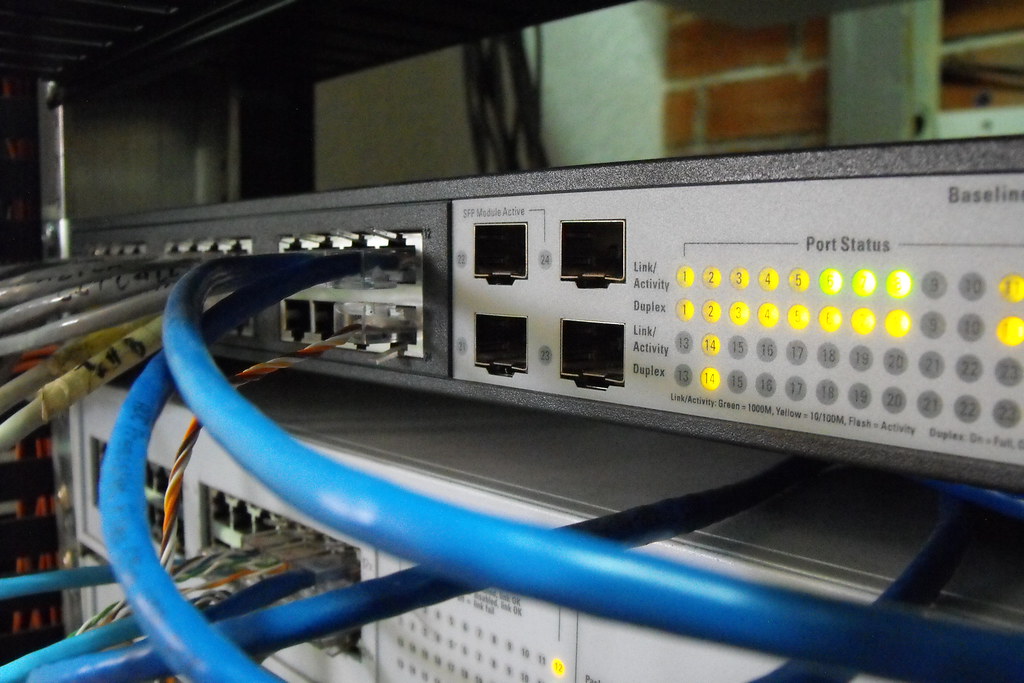
Ethernet/IP is built on the Common Industrial Protocol (CIP), allowing it to manage a wide range of communication needs across automation equipment, including control, safety, synchronization, motion, configuration, and information. By using standard Ethernet and TCP/IP technology, Ethernet/IP enables devices from different manufacturers to communicate within the same network, supporting peer-to-peer and device-to-device interaction.
Key Differentiators of Ethernet/IP
- Universal Compatibility: Ethernet/IP’s use of standard Ethernet components and cabling simplifies integration with existing network infrastructures, reducing the complexity and cost of system design and maintenance.
- Scalable Performance: The protocol supports a broad spectrum of applications, from low-speed, simple control tasks to high-speed, complex motion control. This scalability ensures that Ethernet/IP networks can evolve with the changing needs of industrial environments.
- Comprehensive Communication: Ethernet/IP provides not only real-time I/O messaging but also explicit messaging for non-time-critical tasks, such as configuration and parameter updates, over the same network. This dual capability enhances the protocol’s flexibility and efficiency.
Implementing Ethernet/IP Networks
Implementing an Ethernet/IP network involves careful planning to ensure compatibility and performance across all devices. Technicians must select Ethernet/IP-compatible devices, configure network addresses, and establish communication paths. The process also includes setting up real-time messaging configurations to meet the application’s specific timing and synchronization requirements.
Transmission Techniques and Technologies
Ethernet/IP utilizes both TCP/IP and UDP/IP protocols to manage communication tasks. TCP/IP is employed for reliable, connection-oriented services that are perfect for configuration and parameter exchanges. UDP/IP is used for real-time, connectionless communication, providing fast data exchange for control and monitoring applications.
Diverse Applications Across Industries
Ethernet/IP has been successfully deployed in various sectors, demonstrating its versatility and reliability:
- Manufacturing: Streamlining operations with integrated control and information flow for improved production efficiency.
- Material Handling: Enhancing conveyor systems and sorting operations with precise control and real-time monitoring.
- Energy: Facilitating robust communication in power generation and distribution applications for improved system reliability and performance.
Considerations and Challenges
Despite its numerous benefits, Ethernet/IP’s deployment in industrial automation is not without challenges. The complexity of managing expansive and intricate networks demands advanced network management skills and tools, potentially straining resources. Achieving deterministic communication, a necessity for certain precision-critical applications, can be hindered by Ethernet’s inherent susceptibility to data collisions and delays, occasionally necessitating additional measures to ensure timely data delivery. Transitioning to Ethernet/IP from older systems may involve substantial upfront investments in infrastructure and training, impacting the total cost of ownership. Additionally, the integration of operational and information technologies introduces heightened security risks, requiring continuous efforts to safeguard the network against cyber threats. Compatibility issues with legacy systems further complicate the adoption of Ethernet/IP, as bridging older technologies with this newer protocol can introduce extra layers of complexity and maintenance concerns.
EtherCAT
EtherCAT (Ethernet for Control Automation Technology) stands as a high-performance, Ethernet-based fieldbus system. Its innovative approach to utilizing Ethernet enables real-time control and communication, making it a pivotal technology for technicians and enthusiasts involved in advanced PLC and automation systems.
Innovative Architecture and Operation
Its unique “processing on the fly” principle is at the heart of EtherCAT’s operation. Unlike traditional Ethernet systems, where data packets are received, processed, and forwarded by each device, EtherCAT devices read data as it passes through, significantly reducing latency and increasing system efficiency. This daisy-chain mechanism allows for incredibly fast data exchange, even over standard Ethernet hardware.
What Sets EtherCAT Apart
- Exceptional Speed and Efficiency: EtherCAT can update thousands of I/O points within a few microseconds, supporting highly synchronized operations. This efficiency is pivotal in applications requiring precise timing, such as synchronized motion control.
- Flexible Topology Options: EtherCAT supports a range of topologies, including line, ring, star, and tree, providing flexibility in network design. This adaptability facilitates the integration of EtherCAT into various industrial settings, accommodating specific installation needs and constraints.
- Scalability and Simplicity: The protocol is scalable from simple control tasks to complex automation systems, capable of connecting a vast number of devices without significant performance degradation. Moreover, its use of standard Ethernet infrastructure simplifies installation and reduces costs.
Core Transmission Techniques
EtherCAT excels in real-time communication through its efficient use of Ethernet frames. It employs a unique frame format that allows for direct data exchange between devices on the network, bypassing the traditional TCP/IP stack. This method ensures minimal delay and maximum throughput, ideal for real-time industrial applications.
Industrial Applications
EtherCAT has found its place in a wide range of industrial scenarios:
- Motion Control: In manufacturing lines and robotics, EtherCAT facilitates precise and synchronized movement of machinery, which is critical for optimizing production processes.
- Process Control: EtherCAT provides the necessary speed and determinism for applications requiring fast and accurate sensor data collection and actuator control.
- Test and Measurement: High-speed data acquisition and real-time analysis are achievable with EtherCAT, enhancing the accuracy and efficiency of testing and diagnostic systems.
Challenges of EtherCAT
While EtherCAT offers significant benefits, deploying it effectively can present challenges. Technical complexity may arise in network configuration and optimization, often requiring specialized knowledge or training. The system’s performance heavily relies on the master controller, making the selection of a capable controller critical for managing communication loads efficiently. Integration with legacy systems or different protocols might need additional considerations to ensure seamless operation. Additionally, careful network planning is essential to leverage EtherCAT’s topological flexibility and avoid potential issues. Ensuring network robustness in harsh industrial conditions also demands high-quality components and thoughtful design to maintain reliable performance under extreme environmental stresses.
Final Thoughts
As the industrial sector continues to evolve with advancements in technology and connectivity, the choice of communication protocols becomes increasingly crucial. Profibus, Profinet, Modbus, and Ethernet/IP each offer distinct advantages and face unique challenges tailored to different applications and requirements within industrial automation. While Profibus and Modbus have been foundational in establishing reliable communication standards, their limitations in data throughput, speed, and security are notable in the context of modern industrial demands. Conversely, Profinet and Ethernet/IP emerge as robust solutions for high-speed, secure data exchange, offering greater flexibility and integration with current technologies. However, these advanced protocols also introduce complexities in network configuration and management. Ultimately, the goal is to strike a balance between leveraging existing technological investments and embracing new innovations to enhance operational efficiency, reliability, and security in industrial environments.
DO Supply Inc. makes no representations as to the completeness, validity, correctness, suitability, or accuracy of any information on this website and will not be liable for any delays, omissions, or errors in this information or any losses, injuries, or damages arising from its display or use. All the information on this website is provided on an "as-is" basis. It is the reader's responsibility to verify their own facts.