How PLC Manufacturers Shaped Modern Factory Automation
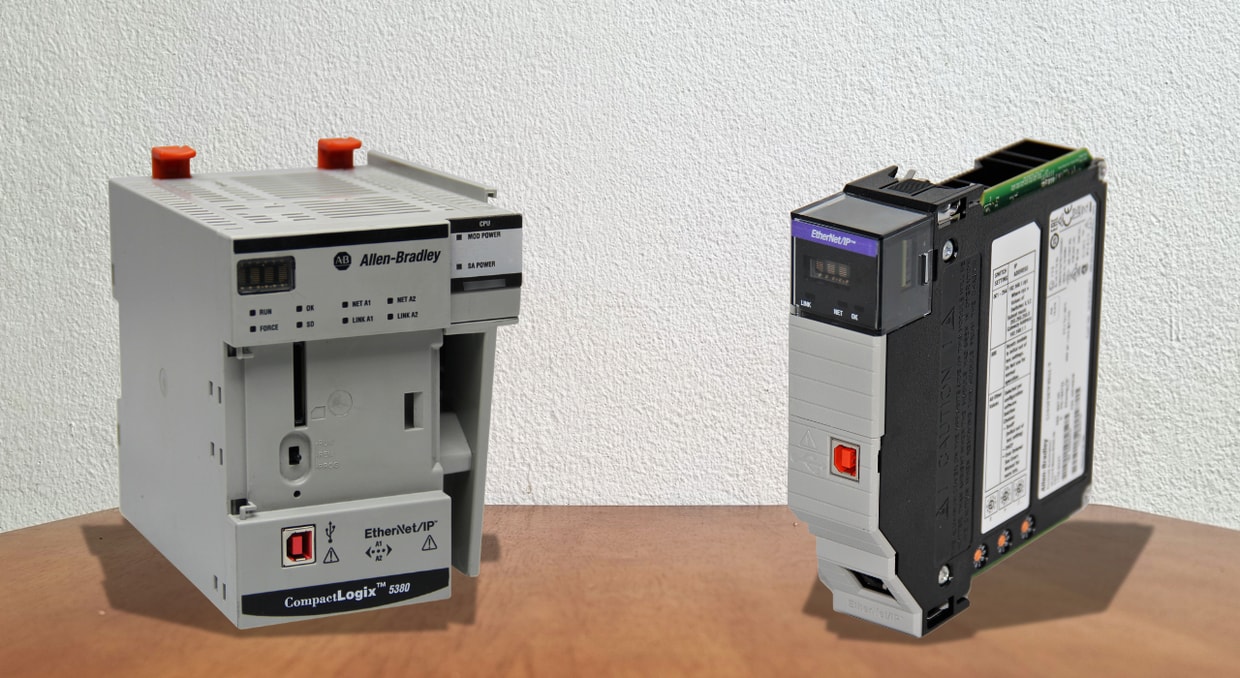
These days, every industry runs on speed and accuracy. There’s a whole field built around creating and running systems that manage and automate everything, from factories to warehouses. This technology keeps things running smoothly. It cuts down mistakes and helps get more done. If you want to really get what makes this world tick, it starts with the companies that make PLCs—the actual hardware at the center of it all. Then come the engineers who figure out how to use that hardware in real-life situations. PLC Controls sit right at the core of modern automation, and PLC manufacturers have played a huge part in how far we’ve come.
What is PLC Controls?
PLC Controls is all about designing and running control systems that keep machines, processes, and devices working smoothly on their own. Controls engineers use feedback loops, math, and the latest tech to build systems that hit their targets every time, without much fluctuation. Picture a manufacturing plant—an engineer sets up controls so conveyor belts always move at the right speed, ensuring every product receives the same treatment from start to finish. You’ll find this kind of work everywhere: cars, planes, medicine, shipping. Strong, reliable hardware from leading PLC manufacturers makes all this possible. Without it, none of these systems could handle the tough conditions in real industrial settings.
Controlling and Monitoring System Components
To appreciate how PLC vendors influenced industrial automation, we must examine components and systems.
Control systems
Control systems can be divided into open and closed systems. Open systems do not use data feedback; closed systems use data feedback to determine and make necessary adjustments to maintain control.
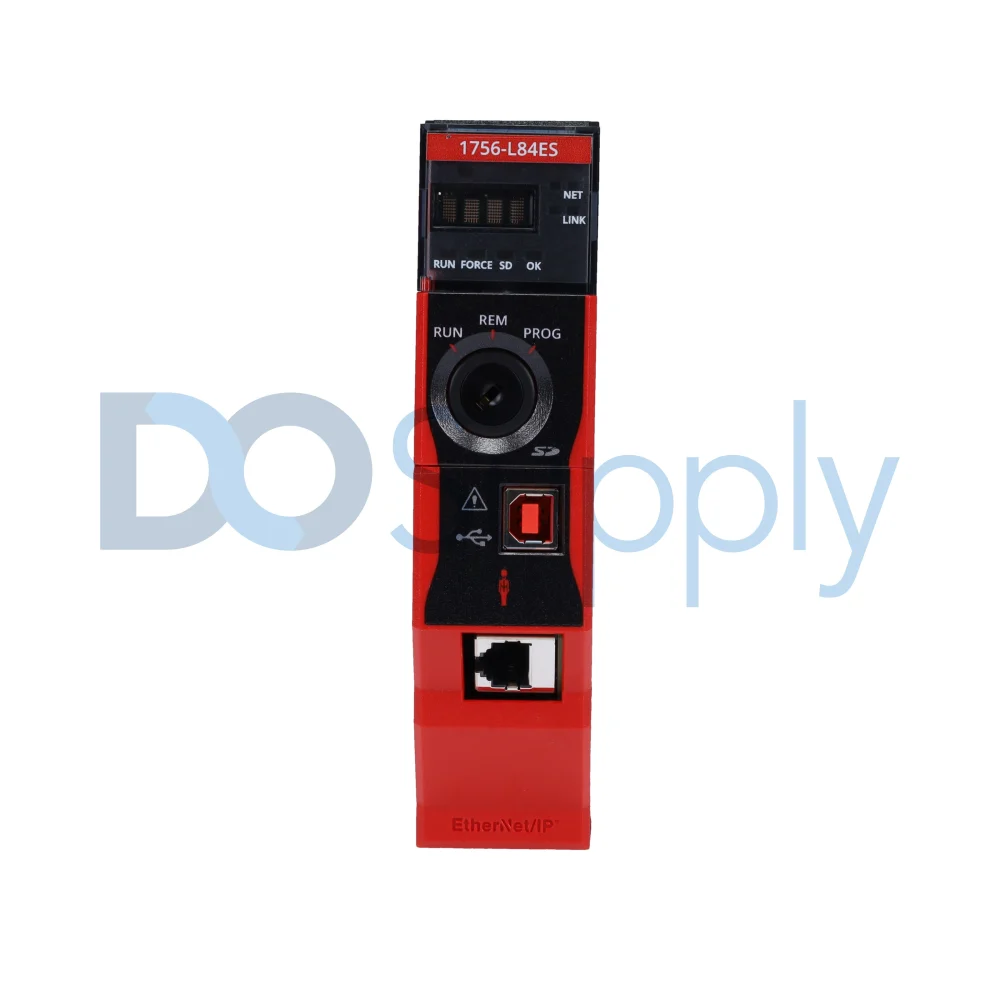
Programmable Logic Controllers (PLC)
These are specialized industrial computers for controlling industrial processes — for example, the ON/OFF state of machinery or the temperature of a process. As processes became more controlled, so PLCs advanced from single-relay equivalents to multi-relay equivalents, to more advanced control devices, ultimately to what can be considered computers.
Human-Machine Interfaces (HMI)
HMI provides a means of communication between operators and machines. In operation, the HMI provides a visual indication of system status and, optionally, allows the operator to control the process. HMI functionality has been integrated with PLCs, allowing a single device to perform both tasks.
Sensors and Actuators
Sensors and Actuators: Sensors gather relevant process data (e.g., temperature, pressure, speed, etc.), and Actuators perform tasks directed by control systems.
Software and Networking
Good control systems must use advanced software to enable design, simulation, and testing. Networking capabilities enable various components to communicate with one another. Leading PLC manufacturers today provide an integrated hardware-and-cloud-based control solution.
The Contribution of PLC Controls to Automation
The goal of Automation is to reduce human interaction, thereby increasing the safety and efficiency of the systems being used. Therefore, the contribution of PLC manufacturers to Automation is of great importance.
Some of the notable uses of PLC Controls in automation are as follows:
- Industrial Robots: Controls engineers design systems that direct robotic arms to perform specific operations, such as assembling car components or packaging products. Leading PLC manufacturers develop motion-control libraries required for this level of precision.
- Process Control: In industries such as oil and gas, PLCs ensure that refining and chemical production processes are executed accurately. In this context, PLC manufacturers strive to create the most fail-safe, redundant systems.
- Material Handling: Control algorithms direct automated conveyor systems to move products in warehouses and distribution centers.
PLC control advantages
Technological advancement and competitiveness in PLC manufacturing brought about the following advantages:
- Increased productivity: PLC control systems remove humans from doing repetitive tasks and boost productivity
- Increased Safety: Automated systems require less human involvement in dangerous tasks, which reduces the chance of accidents
- Decreased Costs: Controls EPC systems decrease energy consumption and the use of materials, which in turn reduces operational costs
- Dedicated Consistency: Automation of tasks provides the benefit of doing a process the same way each time, yielding a consistency of product quality
- Controlled Scalability: Automation processes are easily adjusted to scale as a facility’s needs grow. Leading PLC manufacturers have developed modular racks that enable factories to scale without removing and replacing a controller.
Challenges
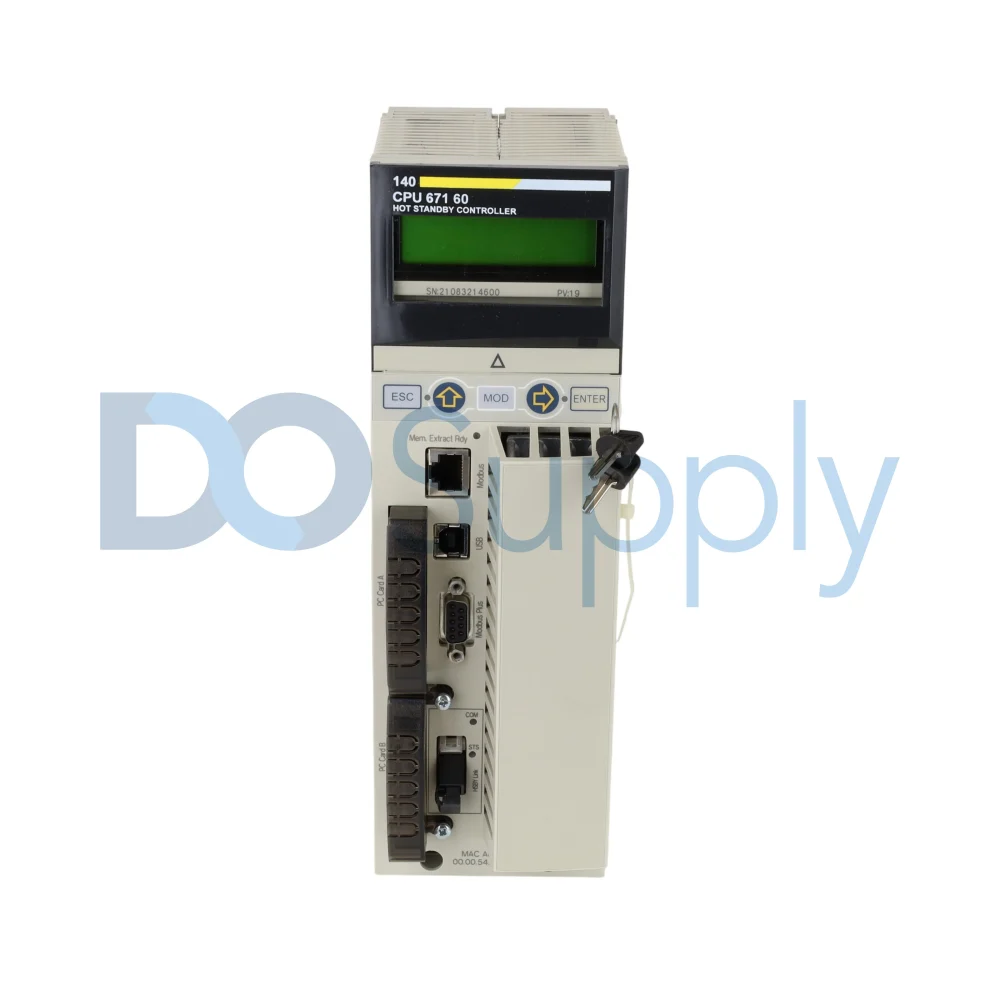
Despite the many benefits of PLC controls, there are challenges, and even the best PLC manufacturers cannot mitigate all issues.
Integration Complexity
PLC control systems are tricky to install. This is particularly the case when systems need to work alongside other systems. Different manufacturers of PLCs have developed control systems that are not compatible with those of other vendors.
Cybersecurity Threats
As control systems become more integrated, the cyber risks involved with these connected controls increase. Leading PLC manufacturers are embedding security controls in the hardware.
Software and Skills Gap
PLC manufacturing is a continually evolving technology that requires updating proprietary software. This means Engineering after PLC control systems in a continual loop of training and understanding the system’s new updates.
Real-World Applications
The influence of PLC manufacturers is visible across every major sector.
Automotive Industry
PLCs keep car assembly lines humming along. They handle all sorts of tasks: welding, painting, and inspections—ensuring everything runs smoothly and stays on point without sacrificing quality. The big players in PLC tech supply those lightning-fast counters that keep every part moving in perfect step.
Pharmaceutical Manufacturing
In pharma, everything comes down to precision. PLCs lock in the right recipes and ensure every single batch is packaged exactly as it should be, with no exceptions. When the FDA cranks up the standards, reliable PLC vendors deliver hardware built to hit those marks every time.
Warehousing and Logistics
Today’s warehouses run like clockwork, and PLCs are at the heart of it all. They control conveyors, sorters, whatever you need—making sure packages fly out the door quickly and with no mistakes. Some PLCs even come with tough-as-nails I/O modules that don’t flinch at the constant shaking and pounding from high-speed lines.
Energy Sector
PLCs play a huge role in renewable energy, too. They run turbines and solar panels, getting every last bit of power—even on days when the weather throws a curveball. And some PLC makers go the extra mile, building gear that can handle brutal, unforgiving conditions out in the field.
Future Trends
The world of PLC Controls keeps shifting as technology races ahead, and manufacturers are right at the center of it all.
Artificial Intelligence is changing the game. With AI built into control systems, companies can spot problems before they happen, and the system can actually learn and adapt on its own. Now, new PLCs even pack AI accelerators right onto their CPUs.
The Internet of Things is also taking over. Thanks to IoT, devices collect and share real-time data, making monitoring and decision-making way faster and more accurate. These days, the main PLC brands deliver devices with MQTT and OPC UA right out of the box.
Edge computing is another leap forward. By processing data near the source rather than sending everything to the cloud, systems respond more quickly and run more efficiently. More and more, manufacturers are combining controllers and edge gateways into one streamlined unit.
Sustainability is becoming standard, not just a nice-to-have. PLC Controls help companies save energy and shrink their environmental impact. Most modern PLCs now include built-in energy-monitoring features.
Conclusion
PLC controls are at the core of modern automation, driving industry forward with greater efficiency and smarter solutions. But let’s be real—none of this works without the hardware created by PLC manufacturers. These companies keep raising the bar, turning out more powerful, connected, and durable systems year after year. They also do this while balancing backward compatibility, and if you would like to read how, we have an article here for you! Thanks to their innovations, platforms like those from Lafayette Engineering help businesses stay a step ahead in a fast-changing world. From speeding up conveyor systems to fully automating production lines, it’s the collaboration between talented engineers and top-notch PLC makers that keeps industrial operations moving—and shapes what comes next.
If you are looking for a supplier for PLCs, we at DO Supply aim to be your pick! We carry PLCs, accessories, drives, motors, and more from reputable companies that you can trust. On top of that, all of our products are tested before they leave the door to ensure you have a working product day one. Stop by our site today to see what we can DO for you!
DO Supply Inc. makes no representations as to the completeness, validity, correctness, suitability, or accuracy of any information on this website and will not be liable for any delays, omissions, or errors in this information or any losses, injuries, or damages arising from its display or use. All the information on this website is provided on an "as-is" basis. It is the reader's responsibility to verify their own facts.