The Hidden Cost of Downtime and Why Automation is Designed Around It
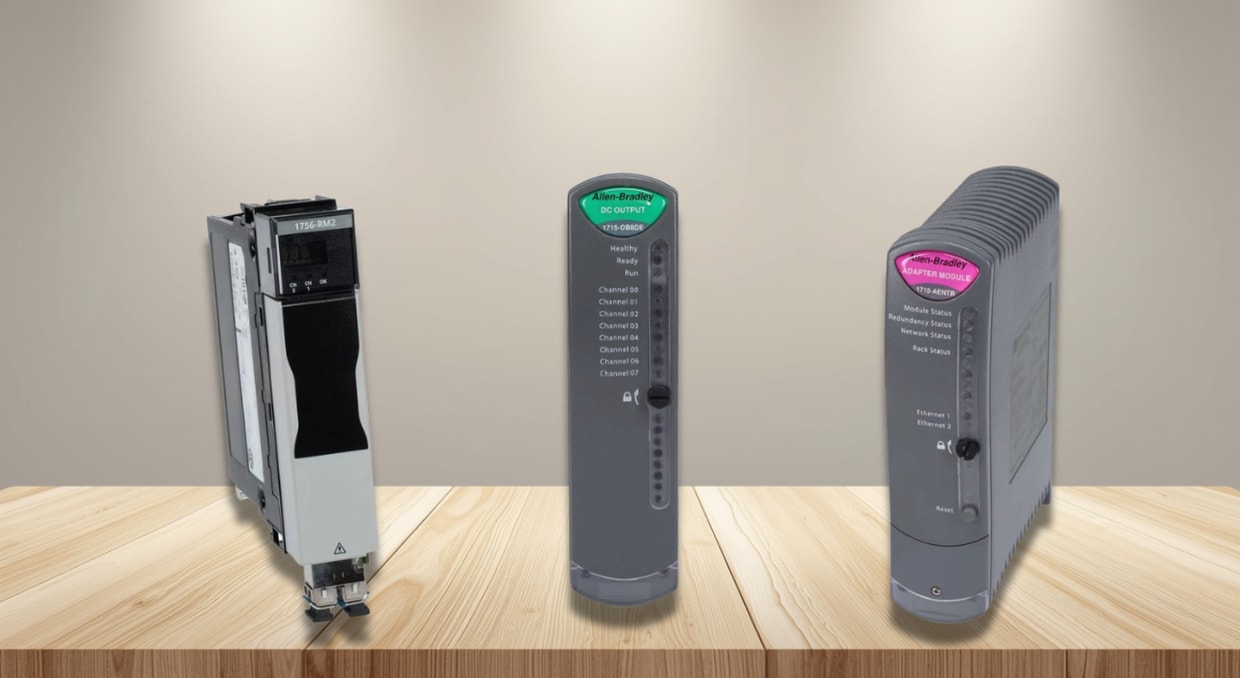
It is no secret that downtime can be the single leading cause of revenue loss for any factory. In fact, a recent global report from ABB in conjunction with Sapio Research suggests that 44% of industrial leaders report production interruptions by their equipment monthly, 14% of those report stoppages weekly. Every hour that a factory is down, it could be losing anywhere from tens to hundreds of thousands of dollars per hour, depending on SKU value and output expectations.
This raises the question of how downtime could become this expensive, what the biggest contributing factors are, and how automation is designed to prevent interruptions.
What is Downtime
Downtime, often carrying a negative connotation, is when a factory or process halts or significantly reduces operations due to planned maintenance, repairs, or stoppages. Usually, this stems from operator stops, which happen when the operator sees an anomaly and presses that big red STOP button. Other times, the system itself could sense that something is off with its sensors and halt the process on its own to protect itself or the products. Then there are bottlenecks within the system that will slow production or cause flat-out equipment failure.
Downtime could also be defined as the difference between leadership’s financial expectations and what the plant can realistically produce.
The Different Ways Downtime Drains Revenue
If you ask leadership and the operators/maintenance personnel what makes downtime expensive, they may give you different answers. Leadership might tell you that it’s the revenue from SKUs produced per hour, multiplied by the time the system is down. Operators may say it’s the cost of parts and overtime they have to work to get the process going again. The truth is that they are both correct and that there are more underlying factors.
Material Consumption
One of the lesser-thought-of factors is the loss of material when a halt occurs, which is especially notable in food, pharma, or chemical manufacturing. Depending on the product being made and how long the stop lasts, the plant might have to toss a whole shift’s worth of supply out to restart, and then burn some during start-up waste during recalibration. Add this to the cost of maintenance and labor, lost revenue, and other factors, and it adds up extremely quickly.
Customer Satisfaction
Has a negative review ever prevented you from buying a product? Now imagine if a key buyer stops ordering from your company after deeming it unreliable because a legacy PLC died before the order could be completed. On top of that, reviews that highlight this unreliability and varying lead times can also prevent other buyers from filling in. This hypothetical situation cannot be accurately measured, but it is still worth considering.
Maintenance Parts at a Premium
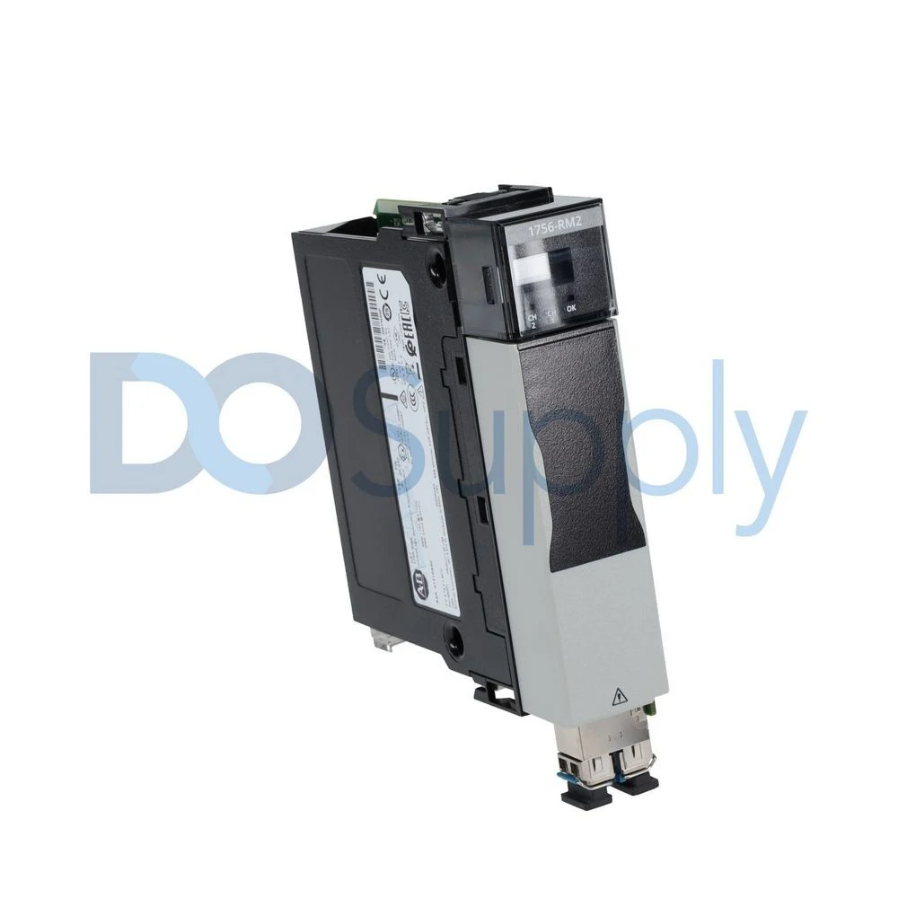
If a part was the cause of the unscheduled downtime, getting a suitable replacement quickly can be an expensive endeavor. Overnight shipping is likely what you would spring for unless you manage to find the parts locally. For automation equipment, having a reputable seller, such as us at DO Supply, can be a monumental help for getting tested equipment shipped fast.
Where Automation Steps In
Knowing how expensive downtime can be, both on paper and behind the scenes, it makes sense that the entire foundation of industrial automation is built with downtime prevention in mind. From the way hardware is designed to how software is programmed, every layer of an automated system has a mechanism in place to either prevent a stoppage, minimize its impact, or get the process back up and running as quickly as possible. While using automation alone isn’t a guarantee to prevent downtime, adopting a predictive and preventive approach instead of a reactive mindset will significantly reduce the chances of downtime.
Redundancy
A system built without redundancy is prone to single-point failures that can bring down the entire process. Automation enables easy redundancy systems that can replace a failed controller within milliseconds. The ControlLogix line from Allen-Bradley includes modules, such as the 1756-RM2, designed specifically for this. They act as a hot-standby controller to take over when the primary controller fails.
Predictive and Preventive Maintenance
Redundancy is there when something goes wrong, but preventing a failure in the first place is ideal. Preventive maintenance is the scheduled approach that replaces components or performs services at set intervals based on time or usage. It works, but it is not perfect. You might replace a part that still had months of life left, or miss one that wore out faster than expected.
Predictive maintenance takes it a step further by using real-time sensor data to monitor equipment condition. Vibration sensors on a motor can detect bearing wear long before it becomes audible. Temperature sensors can flag a drive running hotter than normal. Current draw trending upward on a pump might indicate a buildup or mechanical resistance. Instead of guessing when something will fail, the system is telling you. Newer Allen-Bradley hardware, such as the PowerFlex 755TS, supports these predictive features.
Modern software platforms can pull this data together and give maintenance teams actionable alerts, turning raw sensor data into a work order before a failure ever happens. The result is less unplanned downtime, fewer emergency parts orders, and maintenance teams that can plan their work rather than constantly react.
HMI and Alarm Management
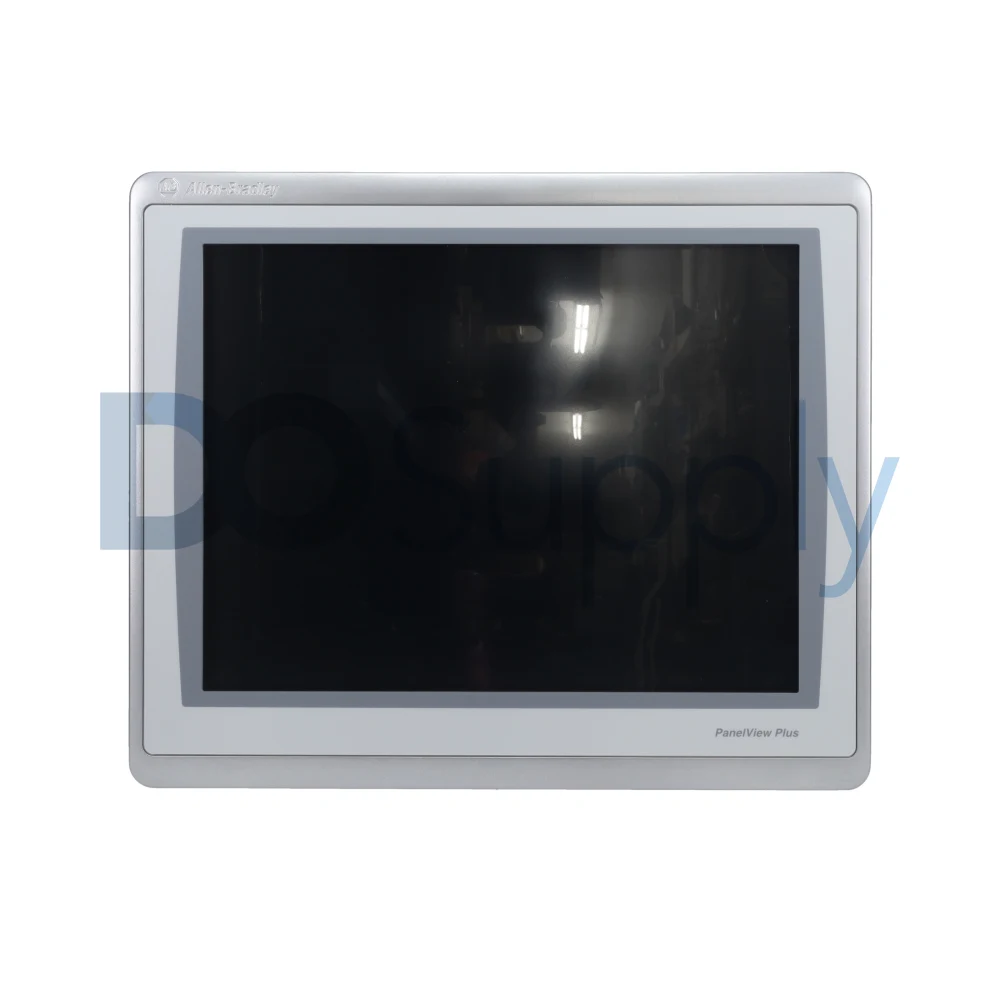
All of the redundancy and predictive maintenance in the world do not help if the operator cannot see what is happening. That is where HMI design and alarm management come in. A well-designed HMI gives operators a clear, real-time picture of the process, enabling them to identify and respond to issues before they escalate into full stoppages.
Alarm management is the other half of that equation. A poorly configured alarm system can be just as dangerous as having no alarms at all. When operators are flooded with hundreds of nuisance alarms, the critical ones get buried. This is known as alarm fatigue, and it is a documented contributor to incidents and extended downtime across industries. Effective alarm management means prioritizing alarms by severity, suppressing irrelevant ones in certain states, and ensuring that when something critical does come in, the operator knows exactly what it is and what to do about it. If you would like to read more about what makes an HMI design good, check out our article here!
The goal is not just to alert the operator that something is wrong, but rather to give them enough context to make the right decision quickly. A good HMI paired with a well-structured alarm system can be the difference between a five-minute correction and a two-hour shutdown.
Network and Communication Architecture
None of the systems we mentioned works in isolation. Controllers, HMIs, drives, sensors, and field devices all need to communicate reliably, and if that communication fails, it does not matter how well everything else is designed. A single cable break or switch failure on a poorly designed network can take out visibility and control for an entire section of the plant.
That is why industrial networks are built with redundancy in mind, just like the hardware they connect. Ring topologies like those used in EtherNet/IP with Device Level Ring, or DLR, allow network traffic to reroute automatically if a connection is lost. Managed switches provide engineers with visibility into network health and the ability to prioritize traffic so that critical control data does not compete with lower-priority information. At the device level, dual-port connections on field devices mean a single cable failure does not take that device offline.
Network architecture is one of those things that nobody thinks about until it fails. But when it is designed correctly, it is quietly doing the same job as every other layer of automation we have covered: keeping the process running even when something goes wrong.
Final Thoughts
Downtime will always be a reality, even for those who strive for the fabled 99.999% uptime goal, but how much it costs depends on how prepared you are for it. The hidden costs we covered, from scrapped material to damaged customer relationships, show that the true price of a stoppage goes far beyond what shows up on a production report. The good news is that modern automation is designed from the ground up to fight back against it at every level, from redundant hardware to predictive analytics to well-designed operator interfaces.
If you are looking to upgrade aging equipment, source hard-to-find replacement parts, or get a critical component repaired fast, DO Supply has you covered. Our team specializes in selling and repairing industrial automation equipment from Allen-Bradley and other major manufacturers. Give us a call and let us help you keep downtime where it belongs: to a minimum.
DO Supply Inc. makes no representations as to the completeness, validity, correctness, suitability, or accuracy of any information on this website and will not be liable for any delays, omissions, or errors in this information or any losses, injuries, or damages arising from its display or use. All the information on this website is provided on an "as-is" basis. It is the reader's responsibility to verify their own facts.