SMC 2 vs. SMC Plus: Key Differences and Best Use Cases
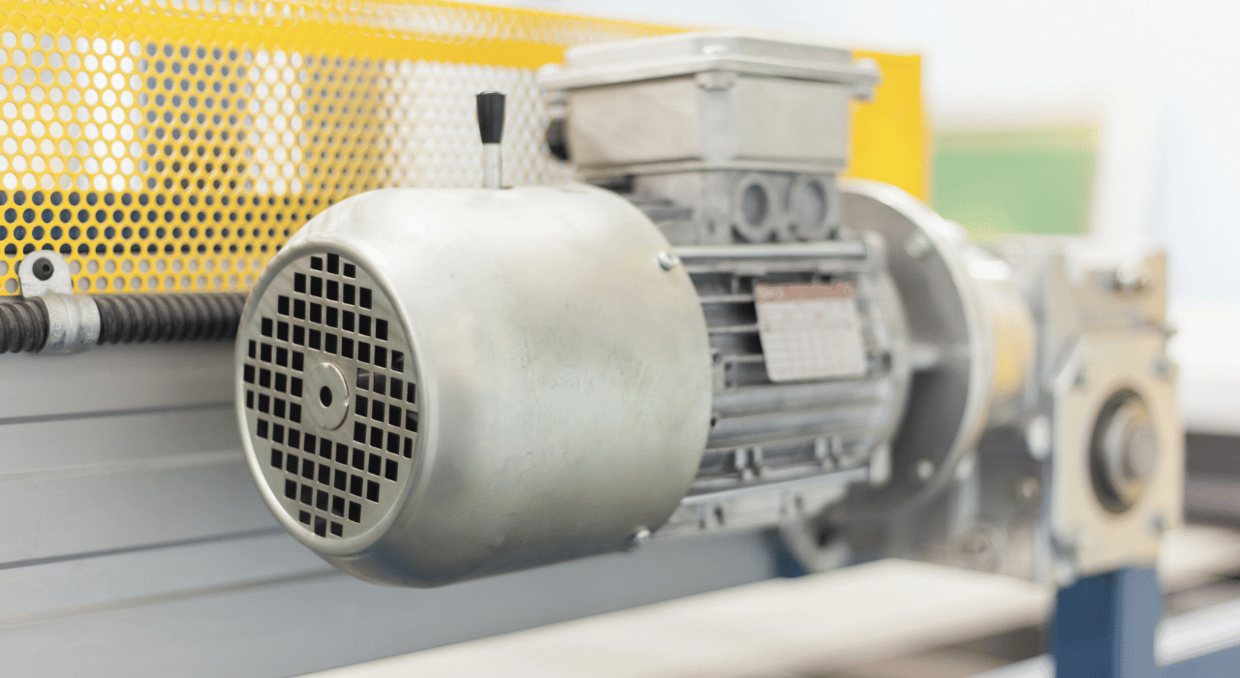
Allen Bradley, a renowned name in industrial automation, offers a range of Smart Motor Controllers (SMCs) designed to meet diverse industrial needs. Among their popular offerings are the SMC Plus and the SMC 2 controllers. These controllers are engineered to provide smooth motor starting and stopping, enhancing performance and reducing mechanical stress.
While Allen Bradley offers many solutions for motor configurations and automation needs, this article will focus on the SMC 2 and the SMC Plus to clarify their differences and suggest what might work best for your needs.
Brief History and Development of SMC 2 and SMC Plus
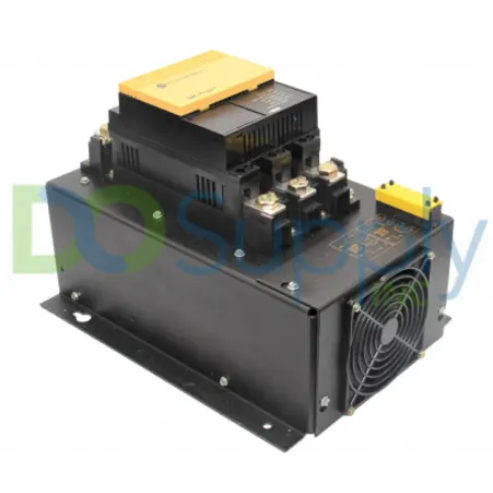
Allen Bradley has been a leader in industrial automation for decades. Introducing soft starters like the SMC 2 and SMC Plus marked significant advancements in motor control technology. The SMC 2, released first, set the standard for soft starters with its reliable performance and robust design. Building on this foundation, Allen Bradley introduced the SMC Plus, incorporating enhanced features and improved efficiency to meet the evolving demands of modern industries.
Soft starters are essential components in industrial settings. They control the acceleration and deceleration of electric motors. They reduce mechanical stress on motors and machinery, prolonging equipment life and improving overall efficiency. The SMC 2 and SMC Plus are designed for applications in manufacturing, water treatment, and HVAC systems, where precise motor control is crucial.
Technical Specifications Comparison
When comparing Allen Bradley’s SMC 2 and SMC Plus soft starters, several key differences emerge that can significantly impact their suitability for various industrial applications. These differences are primarily rooted in their technical specifications, each designed to cater to specific needs and operational environments.
Voltage and Current Range
One of the primary distinctions between the SMC 2 and SMC Plus is their voltage and current range. The SMC 2 supports a voltage range of 200-600V and a current range of 18-1200A, making it suitable for a broad range of standard applications. In contrast, the SMC Plus extends the voltage range up to 690V and covers a broader current range from 10-1250A. This expanded range allows the SMC Plus to handle more demanding applications that require higher power and versatility, such as heavy-duty industrial machinery and high-power motors.
Power Factor
Another significant difference lies in their power factor, which reflects the efficiency of their energy use. The SMC 2 typically maintains a power factor of 0.96, which is efficient and helps reduce electrical losses. However, the SMC Plus improves this to a typical power factor of 0.98. This enhancement translates to better energy efficiency, reducing operational costs and improving overall system performance by minimizing wasted energy.
Starting Modes and Soft Stop
Both models offer essential starting modes, such as voltage ramp start and current limit start, providing flexibility in motor control. However, the SMC Plus includes an additional soft stop feature, which the SMC 2 lacks. The soft stop feature allows for smoother motor deceleration, reducing mechanical stress and wear on the equipment. This capability is particularly beneficial in applications where gentle stopping is crucial, such as in conveyor systems or pump applications, where abrupt stops can lead to damage or operational inefficiencies.
Built-in Protections
Built-in protection features are critical for maintaining motor health and operational safety. The SMC 2 and SMC Plus offer essential protections like overload, phase loss, and under-voltage protection. However, the SMC Plus goes further by including phase imbalance protection. This additional feature enhances motor safety and ensures consistent performance even under varying operational conditions, providing an extra layer of security that can be vital in complex and sensitive applications.
Communication Options
Communication capabilities are essential for integrating soft starters into modern industrial systems. The SMC 2 is equipped with basic fieldbus interfaces sufficient for simpler communication needs. In contrast, the SMC Plus features advanced communication options, including Ethernet/IP, DeviceNet, and Profibus. These enhanced communication capabilities facilitate seamless integration into sophisticated industrial networks, offering better control, monitoring, and diagnostic functions. This makes the SMC Plus a more versatile choice for applications that require advanced connectivity and remote management.
Enclosure Ratings
These devices are also noteworthy for their physical durability and environmental protection. SMC 2 and SMC Plus offer enclosures with ratings such as NEMA 1, 12, and 4/4X, protecting against dust, water, and other environmental factors. However, the SMC Plus includes additional explosion-proof options, making it suitable for hazardous environments where safety is crucial.
While both the SMC 2 and SMC Plus soft starters provide robust solutions for motor control, their key differences highlight their unique advantages. The SMC 2 is well-suited for standard applications with its reliable and straightforward features. On the other hand, the SMC Plus offers enhanced specifications, including a higher voltage and current range, better power factor, additional starting and stopping features, improved protections, and advanced communication options. These attributes make the SMC Plus ideal for more complex and demanding industrial environments, where efficiency, safety, and connectivity are critical.
Performance and Efficiency
When comparing the performance and efficiency of Allen Bradley’s SMC 2 and SMC Plus soft starters, several key distinctions emerge, each contributing to their suitability for different industrial applications.
Energy Savings
Compared to direct-on-line starting methods, the SMC 2 and SMC Plus are designed to reduce energy consumption significantly during motor start-up. The SMC 2 can achieve up to a 30% reduction in energy use by controlling voltage and current during motor acceleration. In contrast, the SMC Plus offers enhanced energy savings of up to 35%, thanks to its advanced motor control algorithms that provide even smoother acceleration and deceleration. This makes the SMC Plus particularly beneficial in applications where energy efficiency is critical.
Heat Generation
Efficient motor control not only saves energy but also reduces heat generation, which can extend the motor’s lifespan and decrease the need for extensive cooling systems. The SMC 2 manages the start-up process effectively to minimize heat production, thereby reducing mechanical stress on the motor. The SMC Plus builds on this advantage by offering even more precise control, further minimizing heat generation and enhancing the overall reliability and longevity of the motor.
Motor Control and Operational Smoothness
Both the SMC 2 and SMC Plus provide essential starting modes, such as voltage ramp start and current limit start, offering flexibility in motor control. However, the SMC Plus includes an additional soft stop feature, allowing smoother motor deceleration. This feature is particularly beneficial in applications where gentle stopping is crucial, such as conveyor systems and pump applications, where abrupt stops can lead to damage or operational inefficiencies. The soft stop capability of the SMC Plus reduces mechanical stress and wear on equipment, contributing to smoother and more reliable operation.
Motor Protection and Lifespan
Effective motor protection is essential for maintaining operational safety and extending the lifespan of industrial equipment. Both models offer critical protections like overload, phase loss, and under-voltage protection. However, the SMC Plus includes additional protections, such as phase imbalance protection, which further safeguards the motor and ensures consistent performance under varying operational conditions. These enhanced protections make the SMC Plus a more robust solution for applications that require high reliability and safety.
In summary, the SMC 2 and SMC Plus significantly improve performance and efficiency over traditional motor starting methods. The SMC 2 provides a solid foundation with substantial energy savings, reduced heat generation, and stable power quality. On the other hand, the SMC Plus offers additional benefits such as enhanced energy efficiency, higher power factor, smoother motor control, and more comprehensive motor protections.
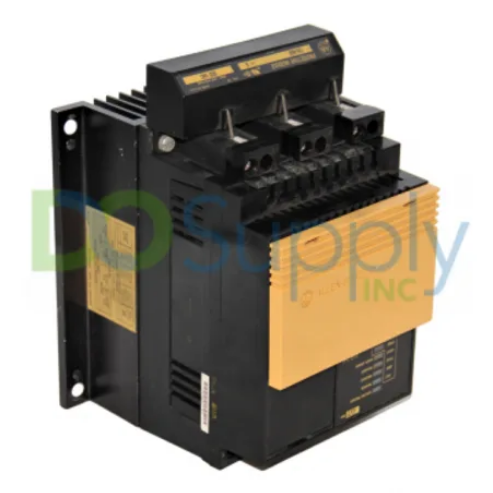
User Interface and Ease of Use
Several key distinctions can help determine the suitability of the Allen Bradley SMC 2 and SMC Plus for different operational environments when comparing their user interfaces and ease of use.
Simple Controls vs. Enhanced Controls
The SMC 2 is equipped with simple dials and buttons that facilitate straightforward configuration and operation. This simplicity is ideal for users who need to set up and start the device quickly without extensive training. On the other hand, the SMC Plus features intuitive navigation buttons and menu systems that make configuration and monitoring easier. The SMC Plus’s user-friendly design reduces the operators’ learning curve, enabling more efficient use.
Limited Diagnostics vs. Remote Monitoring and Diagnostics
The SMC 2 focuses on basic fault detection and status indicators, providing essential operational information. However, its diagnostic capabilities are relatively limited. The SMC Plus, on the other hand, supports remote diagnostics and control via advanced communication protocols such as Ethernet/IP, DeviceNet, and Profibus. This capability allows operators to monitor and manage the soft starter from a central location, improving overall operational efficiency and reducing downtime.
Ease of Use Comparison
The SMC 2’s simple and straightforward interface makes it easy to use, particularly for applications with sufficient basic motor control and monitoring. Its limited diagnostic capabilities mean it is best suited for environments where detailed monitoring is not critical. Conversely, the SMC Plus provides a more comprehensive and user-friendly interface with advanced display and control options. Its remote monitoring and diagnostic capabilities make it ideal for complex industrial environments where detailed monitoring and quick troubleshooting are essential.
Overall, the SMC 2 and SMC Plus offer different levels of user interface complexity and ease of use, catering to various application needs. The SMC 2 is suitable for users who prioritize simplicity and ease of use for standard applications. In contrast, the SMC Plus provides a more advanced and intuitive user interface, enhanced diagnostic capabilities, and remote monitoring options, making it the better choice for complex and demanding industrial environments.
Applications
Understanding where each model excels can help users decide which is best suited for their specific needs. Here, we compare the Allen Bradley SMC 2 and SMC Plus based on their applications in different industrial environments.
Manufacturing Industry
- SMC 2: The SMC 2 is highly effective in controlling conveyor systems within manufacturing facilities. Its smooth start and stop operations reduce mechanical wear and tear, making it ideal for environments where machinery longevity and reduced maintenance are priorities. The straightforward interface allows for quick setup and minimal training, making it a cost-effective solution for manufacturing operations.
- SMC Plus: While the SMC 2 is suitable for standard conveyor systems, the SMC Plus can handle more complex manufacturing applications. Its advanced motor control features, such as the soft stop, provide precise control over motor operations, which is beneficial for sensitive manufacturing processes that require high precision and minimal mechanical stress.
Water Treatment Plants
- SMC 2: In water treatment plants, the SMC 2 is commonly used for pump control systems. Its ability to prevent water hammer and reduce energy consumption during start-up is particularly beneficial. Built-in protections such as overload and phase loss ensure consistent and reliable operation, minimizing downtime and maintenance needs. This makes the SMC 2 a reliable choice for facilities prioritizing operational efficiency and reliability.
- SMC Plus: The SMC Plus can also be used in water treatment plants but is more suitable for applications requiring advanced monitoring and control. Its enhanced communication options allow integration with central control systems, providing better oversight and management of pump operations.
HVAC Systems
- SMC 2: The SMC 2 can be used in HVAC systems where basic motor control is sufficient. It provides reliable operation for fans and pumps, ensuring smooth start and stop cycles and reducing mechanical stress.
- SMC Plus: The SMC Plus is particularly well-suited for managing HVAC systems in large commercial buildings. Its advanced motor control features, including the soft stop, offer precise control over fan and pump motors, leading to significant energy savings. Enhanced communication options allow for seamless integration with building management systems, enabling remote monitoring and adjustments.
Mining Industry
- SMC 2: While the SMC 2 can be used for basic motor control in mining applications, its capabilities are limited in harsh and demanding environments.
- SMC Plus: The SMC Plus excels in the mining industry, where it is used to control heavy-duty equipment. Its additional protections, such as phase imbalance protection, are invaluable in harsh operating conditions. The advanced interface and remote diagnostics capabilities facilitate quick troubleshooting and maintenance, reducing equipment downtime. This makes the SMC Plus the preferred choice for industries that operate in challenging environments and require robust and reliable motor control solutions.
General Industrial Applications
- SMC 2: Best suited for standard applications where basic motor control and protection are sufficient. Ideal for users who prioritize simplicity, ease of use, and cost-effectiveness. Typical applications include manufacturing conveyor systems, basic pump controls, and other straightforward motor control needs.
- SMC Plus: Ideal for complex and demanding applications that require advanced motor control, enhanced efficiency, and comprehensive protection. Suitable for industries that need precise control, remote monitoring, and integration with sophisticated industrial networks. Typical applications include advanced HVAC systems, heavy-duty mining equipment, and other environments where reliability and detailed diagnostics are crucial.
The SMC 2 is a reliable and cost-effective solution for standard industrial applications, providing essential motor control and protection with ease of use. The SMC Plus offers advanced features and capabilities, making it the better choice for complex and demanding applications that require high efficiency, precise control, and robust protection. Understanding your application’s specific needs will help determine the best fit between these two soft starters.
Conclusion
In conclusion, selecting the appropriate soft starter between the Allen Bradley SMC 2 and SMC Plus depends largely on the application’s specific needs and priorities. Both models offer robust solutions for motor control, but they cater to different operational requirements and environments.
Choosing between SMC 2 and SMC Plus should be based on a thorough assessment of the specific operational requirements, budget constraints, and desired features. For applications that prioritize cost and simplicity, the SMC 2 provides a reliable and efficient solution. The SMC Plus offers superior control, protection, and connectivity for more advanced and demanding environments, making it a worthwhile investment despite its higher initial cost.
Ultimately, both the SMC 2 and SMC Plus are designed to enhance motor control and efficiency, contributing to improved operational performance and energy savings. By carefully considering your application’s unique needs, you can select the soft starter that best aligns with your operational goals and requirements.
DO Supply Inc. makes no representations as to the completeness, validity, correctness, suitability, or accuracy of any information on this website and will not be liable for any delays, omissions, or errors in this information or any losses, injuries, or damages arising from its display or use. All the information on this website is provided on an "as-is" basis. It is the reader's responsibility to verify their own facts.