Integrating Safety Torque Off on the PowerFlex 753
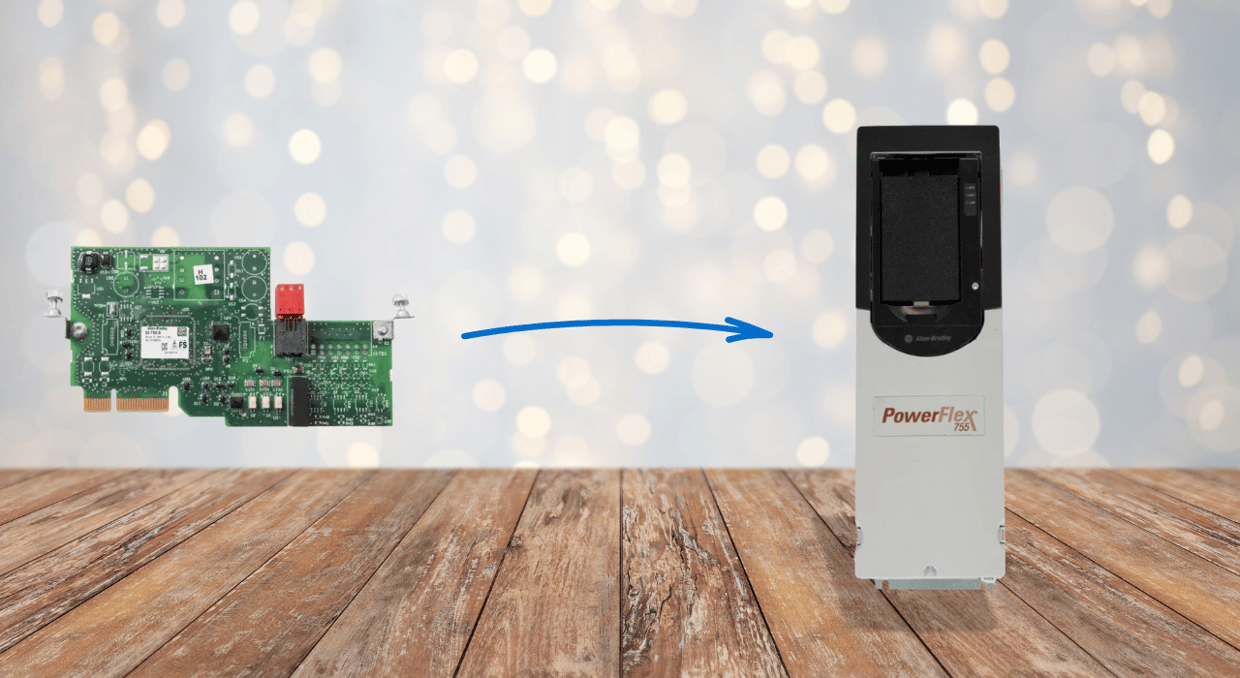
Ensuring machine safety in modern industrial automation is crucial for safeguarding people, machinery, and process integrity, and it is required by law. Integrated safety systems have become much more necessary as industrial machinery grows in strength, complexity, and connectivity. Conventional safety measures, including completely cutting off the electricity, are insufficient and ineffective nowadays. Intelligent safety features like Safe Torque Off (STO) provide a more sophisticated strategy. STO ensures that motor torque may be safely and consistently turned down without cutting the drive’s power. This paper explores how STO is integrated into Rockwell Automation’s PowerFlex 753 AC drive, highlighting its operational, safety, and regulatory advantages in a range of industrial contexts. This article is meant to be a reference; always consult with an engineer for proper safety equipment installation.
What is STO?
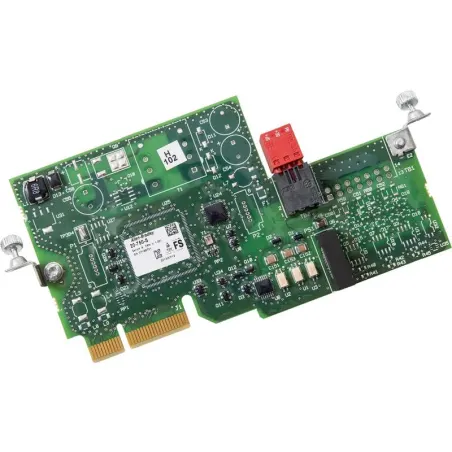
A useful safety feature called Safe Torque Off (STO) stops a drive’s output, stopping the attached motor from producing torque. STO does this without physically cutting off power to the whole drive system, enabling quick restarts and minimizing wear on electrical and mechanical parts.
Safe maintenance practices, machine guard interlocking, and emergency stop systems are just a few of the application cases where STO is crucial. The STO function is very important in high-risk settings where people often interface with machines.
The PowerFlex 753’s STO function has been authorized in compliance with the following international safety standards: Category 3 Architecture; Performance Level e (PLe) in compliance with ISO 13849-1; and Safety Integrity Level (SIL) 3 of IEC 61508.
These certifications establish the PowerFlex 753 with STO as a dependable choice for safety-critical applications.
PowerFlex 753’s Overview
The PowerFlex 753 is part of Rockwell Automation’s PowerFlex 750-Series AC drives. It is designed for heavy industrial and general-purpose applications. It provides a robust and flexible motor control platform with integrated I/O, advanced diagnostics, and a seamless interface with Logix-based control systems.
Flexible communication protocols, sophisticated diagnostics and predictive maintenance capabilities, integrated safety features like Safe Speed Monitor and STO, and modular hardware architecture are some of the PowerFlex 753’s key characteristics.
By plugging into the drive’s option slot, the 20-750-S Safe Torque Off option module makes it simple to integrate the STO function into the system’s overall safety architecture.
Advantages of STO Integration
A PowerFlex 753 drive system with STO offers several operational and security benefits.
- Improved Safety: It eliminates the chance of an accidental engine start-up when performing maintenance or stopping in an emergency.
- Less Downtime: The drive and control systems don’t need to be completely rebooted because the power is still on, which speeds up system recovery.
- Reduced Maintenance Costs: Reduces wear and tear brought on by complete power outages or mechanical disconnections.
- Regulatory Compliance: Helps ensure national and international safety requirements adherence by meeting global safety standards.
- Simplified Design: By doing away with external contactors, panel space and wiring complexity are decreased.
System Hardware and Requirements
The PowerFlex 753 needs the following parts and hardware in order to include STO functionality:
- 20-750-S Safe Torque Off option module;
- PowerFlex 753 AC Drive;
- Safety-rated controller (e.g., GuardLogix)
- IEC 61508 and ISO 13849-compliant terminals and connectors;
- certified dual-channel safety-rated wiring
The 20-750-S module fits into the drive’s option slot. The STO inputs (STO A and STO B) are connected to the safety controller via dual-channel cabling, which provides the redundancy required for SIL 3 and PLe applications.
Wiring and Installation
1. Installation in Physical Form
- Verify that all energy sources are turned off and the drive is shut down.
- Slide the 20-750-S module into the expansion slot of the drive.
- Verify the seating alignment and secure the module with the proper fasteners.
2. Connecting wire
Attach dual-channel wire to STO A and STO B inputs.
- For noise immunity, use twisted-pair, shielded cabling.
- Attach to a safety relay or controller with a safety rating.
- Verify compliance with SIL 3 and PLe wiring regulations.
3. Validation and Functional Testing
Testing is essential to ensure the STO feature is properly integrated and operating dependably. The following are important tests:
- The First Functionality Test: Make sure the motor torque is fully deactivated by engaging the STO input.
Verify redundancy by making sure both STO channels are operational for drive operation.
- Fault Insertion: To verify that the system enters a safe state, simulate a failure in a single STO channel.
- Do Periodic Testing: To ensure compliance and operational preparedness, set up regular intervals for verifying the STO performance.
Situations for Applications
1. Systems for Emergency Haults
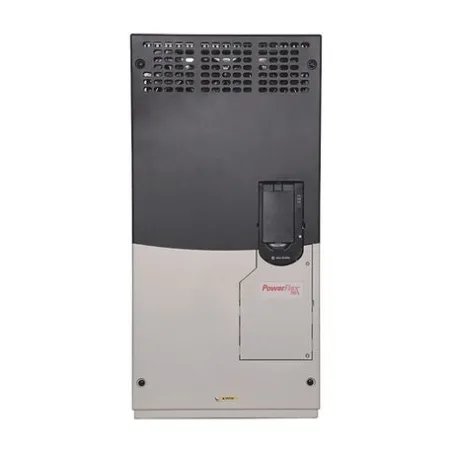
In an emergency, STO offers a quick and dependable way to stop motor torque without affecting the control system as a whole. This minimizes downtime by facilitating prompt re-engagement when the problem has been fixed.
2. Mode of Maintenance
STO makes sure the motor cannot start during diagnostics, even when power is provided. This permits access to drive diagnostics and parameters while safeguarding maintenance staff.
3. Protection of Machines
When a safety guard is opened, STO cuts torque when combined with interlock switches. This guarantees adherence to machine safety instructions and stops potentially dangerous movements.
Safe Speed Monitor (SSM) integration
STO can be utilized in conjunction with Rockwell Automation’s Safe Speed Monitor (SSM) in applications that require safe motion even when a guard is open, such as cleaning or setup. The SSM module makes Safe Direction Monitoring, Safe Limited Speed, and Zero Speed Detection possible.
This combination configuration offers flexibility for applications like robot cells or packing machines that need motion but also require high levels of safety.
Benefits of Certification and Compliance
Adhering to SIL 3 and PLe requirements facilitates regulatory inspections and international project clearances, in addition to ensuring safety. A system with approved safety modules can save engineering expenses by confirming risk reduction and increasing client assurance regarding the installation’s overall safety. This certification compliance is a potent distinction for machine makers and OEMs in a crowded market.
Troubleshooting and Typical Problems
1. The drive’s STO fault
- Inspect for broken or loose wiring.
- Verify that both STO channels are getting legitimate signals.
- Check for mistakes in the safety logic code.
2. Unexpected Motor Function
- Review the configurations of safety interlocks.
- Confirm that no hardware or logic is avoiding STO.
- Examine the stability of the incoming signal.
3. The drive won’t start
- Verify that STO inputs are legitimate and active.
- Examine the safety controller for any issues.
- Look for latching faults that need to be reset.
Further Techniques
• Usage of Certified Devices: Every part, such as the controller, cabling, STO module, and drive, needs to be approved for usage with SIL 3/PLe.
• System Configuration Documentation: Keep thorough records of all test findings, safety procedures, and wiring diagrams.
• Operator Training: Provide staff with instruction on STO functionality and safe maintenance and operating protocols.
Prospects for the Future Intelligent:
Safety elements like STO will be crucial as industrial systems transition to more digitalized systems and predictive safety models. Next-generation safety designs, when paired with IoT connections and AI-driven analytics, are anticipated to significantly reduce risk while optimizing system uptime and productivity. The PowerFlex 753 is a forward-thinking investment for any institution hoping to maintain its leadership in safety and innovation, thanks to Rockwell’s ongoing advancements in this field.
Final Thoughts
In conclusion, building a safer, more effective, and regulatory-compliant automation system ultimately involves integrating the STO function on the PowerFlex 753 drive. Protecting employees without compromising productivity is made possible by STO’s interoperability with advanced safety features like Safe Speed Monitoring, smooth connection with GuardLogix safety controllers, and support for high-level safety certifications. System design engineers and safety experts may fully benefit from STO by choosing hardware according to best standards, resulting in automation systems that are not only efficient but also intrinsically safe. Features like STO will remain essential in the rapidly changing field of industrial automation in order to achieve safer and more intelligent operations. We also have an article going over the interchangeable parts of the 750 series here.
As we mentioned before, it’s always best to consult with an engineer before integrating new safety equipment into your process. That being said, we do carry the proper drive board to fit your 750 series with STO here. Along with it, we carry thousands of drives, hardware, PLC, and optional modules that might also come in handy. Feel free to take a look, and if you need something specific, our team is on standby for any questions you may have.
DO Supply Inc. makes no representations as to the completeness, validity, correctness, suitability, or accuracy of any information on this website and will not be liable for any delays, omissions, or errors in this information or any losses, injuries, or damages arising from its display or use. All the information on this website is provided on an "as-is" basis. It is the reader's responsibility to verify their own facts.