PLC Brands Compared: Reliability, Cost, and Support in 2026
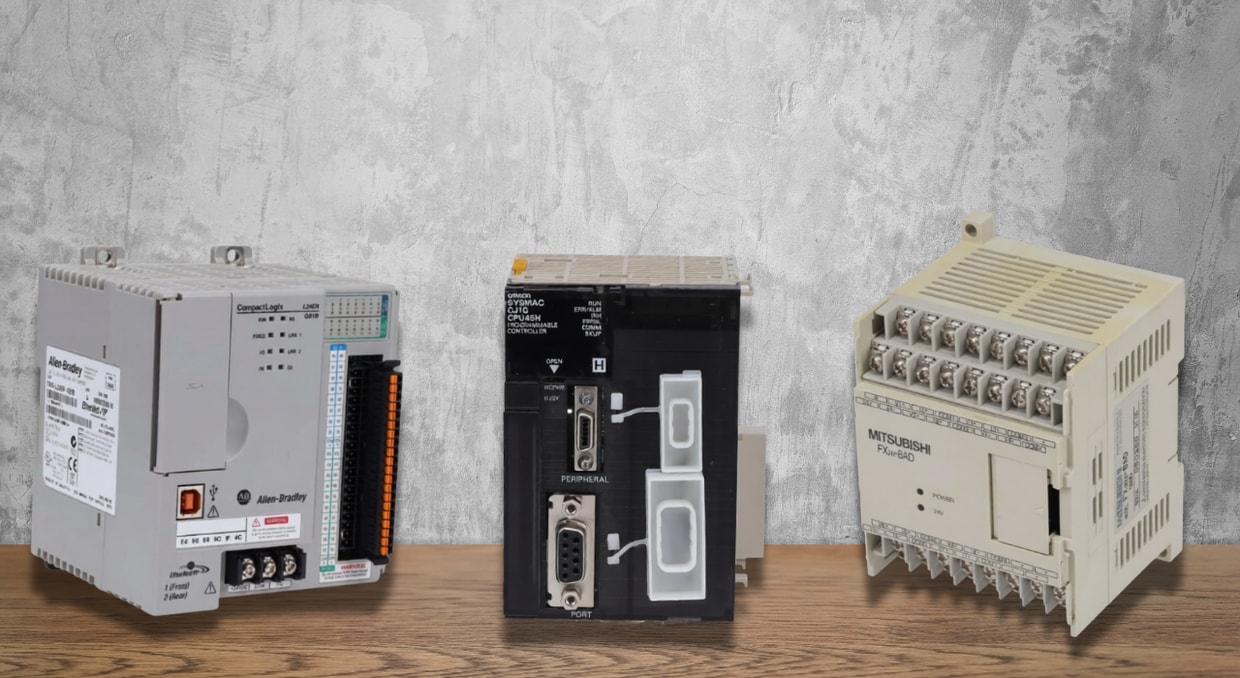
Industrial automation systems in 2026 have advanced to become both extremely uptime-critical and software-defined. The choice of a suitable PLC brand is therefore no longer solely determined by manufacturer/vendor reputation, cycle time, and I/O count. Instead, selecting the right PLC brands is based on compliance with emerging safety guidelines, cybersecurity features, compatibility with cloud computing platforms, extensive lifecycle management, and continued vendor support.
Beyond key technical capabilities, comprehensive lifecycle management and long-term vendor commitment are becoming essential when choosing among PLC brands. This article presents a detailed technical comparison of leading PLC brands in 2026, focusing on lifecycle support, cost-effectiveness, and system reliability.
Allen-Bradley PLC Brands
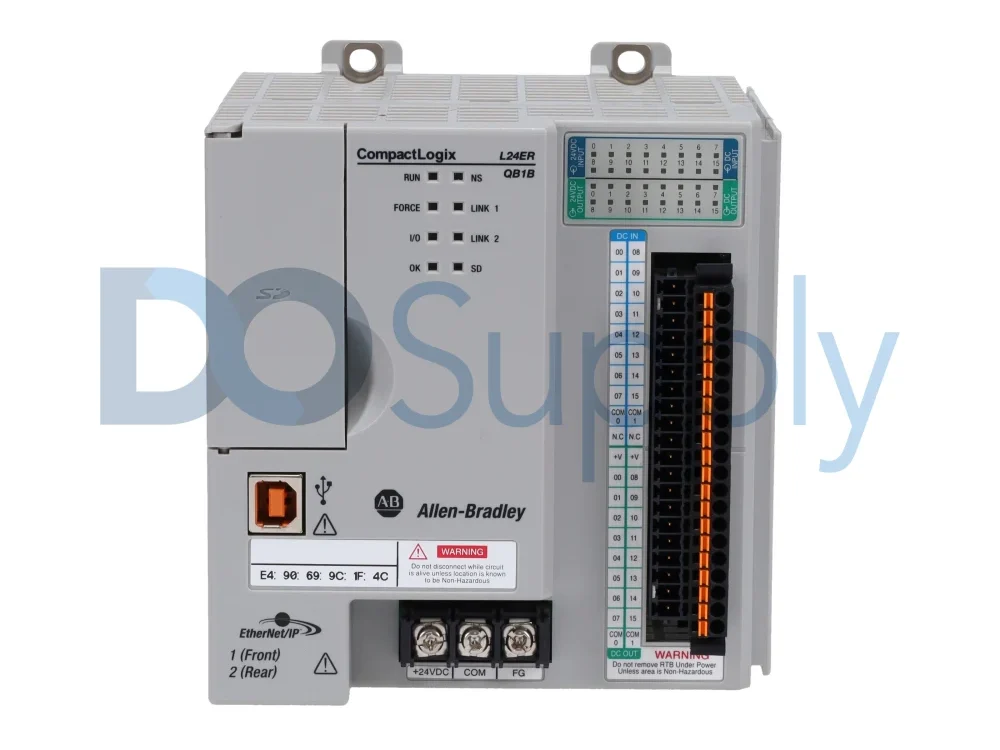
The ControlLogix and CompactLogix controller platforms are the most renowned Allen-Bradley PLC brands within North America for industrial automation, though other PLC lines, such as MicroLogix, are also extensively used. These PLCs are largely deployed in discrete manufacturing as well as food and beverage industries, as they prioritize network integration (particularly EtherNet/IP), scalability, and modularity. If you would like to see an indepth comparison of the MicroLogix and CompactLogix, we have an article here for you!
Reliability
For high dependability in high-throughput settings, Allen-Bradley PLC brands support rigorous firmware control and portable backplane architecture. They are specifically efficient in distinct manufacturing processes that need accurate timing and deterministic Ethernet performance. Power, CPU, and network backup elements enhance system uptime, while steady firmware cycles guarantee predictable behavior across the organization. Allen-Bradley PLCs also use integrated diagnostics and modular hardware to reduce processing time, ensuring that even complex, large-scale automation systems remain functional under high-load states.
Operational reliability profile:
- Proven I/O design and modular backplane
- Network backup support, power, and CPU
- Strong incorporation with industrial Ethernet analysis
- Steady firmware discharge cycles.
Cost
Allen-Bradley PLC brands are substantially costly. Software licensing, yearly technical support contracts, and control hardware further increase the total expenses. Branded Allen-Bradley components often demand a higher stock of spare parts due to their proprietary nature, which increases long-term expenditure. These investments are supported by the rapid integration, minimal engineering downtime, and high reliability of Allen-Bradley PLC brands in mission-critical operations.
Economics and lifecycle cost profile:
- High initial I/O and CPU expenditure
- Yearly technical support contracts and costly software licenses
- Higher repair parts stock expenses due to exclusive components
Technical Support
Rockwell Automation provides a robust technical support infrastructure for its Allen-Bradley PLCs, which includes inventory agreements, onsite field services, parts management, and remote monitoring. The company’s well-outlined training pathways, comprehensive technical documentation, and highly trained operators facilitate rapid resolution of technical issues. In essence, Allen-Bradley PLCs benefit from a strong global support framework designed to proactively manage operational risks, increase system uptime, and maximize equipment reliability across the entire lifecycle.
Technical support coverage:
- Technically skilled regional support operators
- A broad knowledge base from user manuals, installation guidelines, selection/comparison tools, etc.
- Certification pathways and explicit user training
The expansive global support infrastructure and comprehensive portfolio of lifecycle services are what make Allen-Bradley PLCs prominent worldwide in industrial applications with strict uptime requirements.
Siemens PLC Brands
The Siemens SIMATIC PLC series, such as SIMATIC ET-200, S7-1500, and S7-1200, continues to be a benchmark for reliability in process automation and manufacturing. The widespread use of these controllers is attributable to their mature firmware, extended service life, predictable performance metrics, reliable environmental testing, and over-engineered hardware design that enhances operational resilience and durability.
Dependability
Siemens PLC brands dominate in severe industrial environments. They provide integrated diagnostic tools, robust electromagnetic compatibility (EMC), and high Mean Time Between Failures (MTBF) that detect periodic faults often undetectable in less enhanced platforms. Uptime is enhanced further by long-term firmware stability, safety-related CPUs, and redundant architectures. Deterministic fault behavior and predictable execution are critical for processes such as high-speed assembly, petrochemicals, and chemical production, where changeover can have drastic financial and safety consequences.
Operational reliability profile:
- Robust EMC immunity and high MTBF
- Integrated network diagnostics, I/O, and CPU
- Support for safety-related CPUs and downtime architecture
- Product accessibility cycles surpassing 15 years
Siemens’ trace functions and enhanced diagnostics ensure process enhancement and predictive maintenance. Integrated regulation of I/O, communication networks, and power supplies enables engineers to mitigate and detect risks early before they impact manufacturing.
Associated Costs
The premium segment is the position for Siemens PLC brands. Depending on the modular configuration and CPU class, the hardware cost is moderate to high. Overall system expenditure is significantly contributed to by diagnostic, safety, advanced motion, and software warranty for the TIA portal function. However, minimized engineering time for integration, commissioning, and debugging partially balances these costs. The initial investment is validated by streamlined long-term maintenance, minimized unplanned downtime, and system dependability for critical operations.
Economics and lifecycle cost profile:
- Mid-to-high component pricing based on the CPU model
- Paid licenses for enhanced diagnostics, safety, and motion
- Minimized debugging and commissioning time, balancing license expenses
Siemens’ controllers maintain enduring accessibility, which minimizes migration expenses over 15-20 years and enables coherent system upgrades without structural changes. Lifecycle expenditure extends beyond software and hardware.
After Sales Support
Siemens provides a reliable lifecycle support for its SIMATIC PLC brands through a globally available 24/5 or 24/7 technical assistance infrastructure. This ecosystem offers a broad range of professional services and resources, thereby enhancing system availability and long-term equipment performance.
Primary elements of Siemens PLC support:
- Extensive technical documentation, including user manuals, installation guides, and application examples
- Certified system integrators and on-site integration support
- Certification programs and structured training
- Comprehensive lifecycle management
- Proactive security patching and firmware updates
Overall, Siemens PLC brands are a strong choice for a variety of applications across the globe, as they offer rugged, reliable control hardware, high scalability, and an extensive global support infrastructure. These factors help ensure operational consistency, high system uptime, and optimized maintenance across different regions.
Mitsubishi Electric PLC Brands (MELSEC)
MELSEC PLC brands from Mitsubishi Electric, such as the MELSEC-iQ and MELSEC-FX series, are widely deployed across Asia and are increasingly gaining traction globally. These PLC platforms are specifically designed for OEM equipment and general-purpose control applications, delivering high-speed performance in a cost-efficient, compact form factor.
Dependability
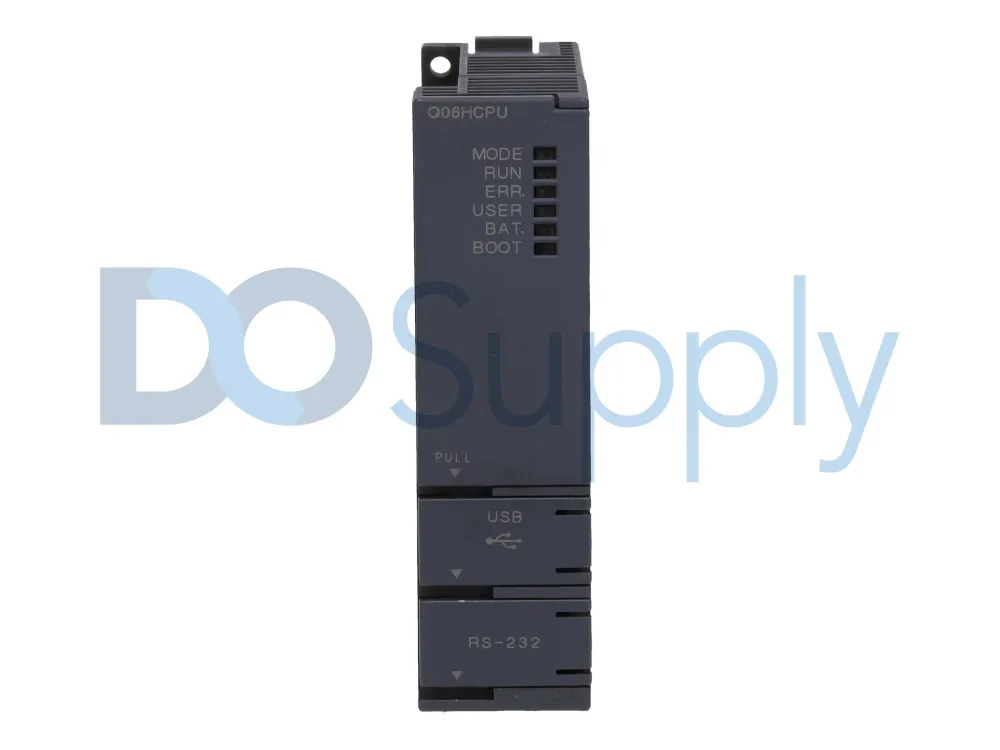
Mitsubishi PLC brands achieve exceptional performance and high reliability across a broad spectrum of industrial applications, from general-purpose to critical automation systems requiring maximum uptime and high production throughput. Standard MELSEC PLC models provide basic system reliability, while higher-end MELSEC controller platforms offer robust designs with increased redundancy. Duplicating critical control/networking functions improves system performance, availability, and reliability by providing multiple points of failure and enabling better fault tolerance. Outlined below are some of the key features contributing to Mitsubishi’s high reliability.
Operational reliability profile:
- Reduced design complexity minimizes potential failure modes
- Deterministic scan time and high-speed processing capabilities
- Advanced connectivity through fast, large-capacity industrial Ethernet-based networks like the CC-Link IE
- Resilient redundancy features in advanced Mitsubishi PLCs, like the MELSEC iQ-R series, ensure close to 100% system uptime in critical applications such as chemical processing, oil& gas, water/wastewater treatment.
- Enhanced control hardware and firmware designed to reduce potential for failure and increase system reliability, specifically in OEM machines and discrete manufacturing
- Scalable MELSEC PLC brands, ranging from compact platforms (e.g., MELSEC-FX5U series) for standalone applications to high-performance modular controllers (e.g., MELSEC-Q and MELSEC-iQ-R series) for large-scale process control.
Associated Costs
Mitsubishi Electric offers competitive hardware pricing across its PLC brands, ranging from low-cost compact controllers to mid-priced high-performance models. Software licensing for MELSEC controllers has significantly lower upfront and recurring costs than the considerably higher licensing costs of PLC brands such as Allen-Bradley and Siemens, which involve hefty origination fees and ongoing upgrade costs.
This makes MELSEC PLCs a desirable choice for OEMs and machine builders who prioritize a lower total cost of ownership and the maximization of value for their money.
Economics and lifecycle cost profile:
- Low to mid-range control hardware costs
- Minimum software licensing expenses
- Beneficial cost-effective ratio for OEMs and machine builders
Mitsubishi Support
The quality of support for Mitsubishi PLC brands varies by region. The Asia-Pacific region benefits directly from robust, well-established manufacturer support. While customers in regions outside Mitsubishi’s primary markets rely heavily on third-party distributors. Regardless of location, Mitsubishi PLC end-users often use inclusive online resources, such as comprehensive technical documentation, community knowledge, and specialized regional training.
Key aspects of MELSEC PLCs support:
- Extensive technical documentation: Comprehensive programming manuals, technical specifications, data sheets, operation manuals, troubleshooting and maintenance manuals, etc., are readily available on the official Mitsubishi Electric website or local MELSEC PLC distributors
- Robust, third-party vendor-focused support model, offering localized assistance and specialized expertise
- Active Mitsubishi Electric community engagement platforms that provide a significant knowledge base, complementing the official MELSEC technical support channels
Schneider Electric’s Modicon
Schneider’s Modicon PLC brands incorporate energy management and digital automation. These robust controllers are extensively deployed in process-oriented industries, utilities, and critical infrastructure facilities. They are also employed in industrial applications where maximum system uptime, seamless system integration, and robust cybersecurity measures are essential for reliable operation.
Proven Reliability
Schneider PLC brands offer intrinsic reliability through robust control hardware, integrated cybersecurity features, and redundancy. They support high-availability controller configurations with built-in diagnostics, ensuring continued operation even if the primary processor fails. Furthermore, various Modicon PLC brands incorporate protective features, such as conformal coatings, that make them suitable for harsh industrial conditions, including extreme temperatures, humidity, and vibration. In addition, their firmware stability and backward compatibility (cohesion) help ensure deterministic system behavior and protect legacy Modicon PLC systems.
Operational reliability profile:
- Scalable and modular design
- Robust and high-performance hardware
- Network resilience and advanced built-in diagnostics
- Redundant controller components and I/O modules
- Integrated cybersecurity features
- Built-in safety functions
- Deterministic control and highly reliable performance in critical applications
Prices
Schneider Electric PLC brands are typically mid-range in acquisition cost, offering a balance of affordability and performance for standard Modicon PLC models. While high-end integrated controller models, such as the Modicon M580 ePAC, often entail high initial expenditure, they are designed with the highest level of cybersecurity, built-in Ethernet, and enhanced IIoT capabilities. Software expenditure for Modicon PLCs, including software licenses and programming tools, depends on system complexity and integration requirements. Lifecycle ROI is greatly enhanced through long-term operational efficiency, energy savings, and the use of integrated engineering and maintenance tools.
Economics and lifecycle cost profile:
- Cost-effective initial hardware costs
- Software expenditure varies depending on system complexity
- Optimized ROI with integrated lifecycle solutions
- Operational and energy savings
After Support
Schneider Electric provides a robust, universally available technical support infrastructure that ensures comprehensive, global assistance for its customers. Long-term lifecycle management solutions, specialized training programs, a variety of digital tools, and extensive technical documentation are useful to engineers.
Key aspects of Modicon PLCs support include:
- Robust, universal technical support ecosystem
- Digital tools for configuration, operation, and maintenance of Modicon PLCs
- Comprehensive technical documentation
- Integrated training and certification programs, certification schedule, and incorporated training
- Long-term lifecycle management solutions
Omron PLC Brands
Omron PLC brands are designed to withstand extreme industrial operating conditions. They feature a rugged design, redundant hardware (CPU and I/O units), consistent power supply, a variety of communication options, user-friendly programming, and long-term operational efficiency. This unified control approach makes Omron PLCs a suitable choice for complex, motion-centric applications such as mechanization, packaging, and robotics.
Stability
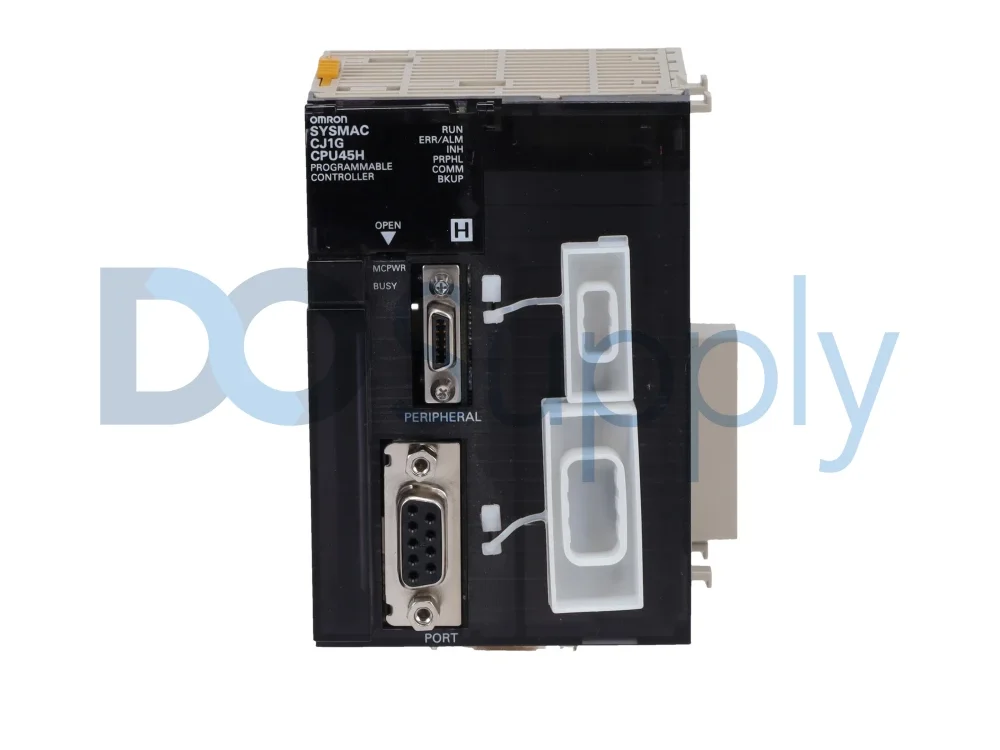
Omron PLC brands achieve high system reliability through a unified, high-performance, fault-tolerant architecture and deterministic real-time control. This automation architecture integrates logic, safety, motion, and robotics functions into a single control platform, thereby reducing potential points of failure. Omron PLCs also support EtherCAT-based networking, which ensures precise timing and synchronized multi-axis control.
Operational Reliability Profile
- Integrated safety, motion, and logic control functions
- Predictable EtherCAT networking
- Reduced system complexity enhances uptime
- High-speed performance for precise positioning applications like packaging and robotics
- Durable hardware
Cost
Omron PLC brands are fairly priced, offering a strong balance of cost-effectiveness and high performance. Integration costs are minimized by consolidating safety and motion functions, thereby streamlining configuration, commissioning, operation, troubleshooting, and maintenance across a variety of Omron PLC brands. This results in long-term cost savings through reduced engineering and maintenance expenditures.
Economics and Lifecycle Cost Profile
- Inexpensive hardware costs
- Significantly lower integration costs, especially for complex, motion-centric configurations
Support
Support for OMRON PLCs varies by geographic location and controller complexity. Generally, OMRON has an extensive support infrastructure of more than 150 locations across 40+ countries, featuring sales, technical support, and lifecycle services for its various PLC brands. The company provides direct support in key regions such as North America, Japan, Asia-Pacific, Europe, and Greater China. In other locations, technical support services are facilitated through a robust network of strategic third-party and authorized local distributors.
Key Aspects of Omron PLCs Support
- Extensive sample libraries and comprehensive technical documentation
- Access to regional training programs
- Global and local partnerships
- A specialized engineering community
- On-site technical support involving on-site training, diagnosis, and repair, particularly for high-speed robotics and industrial automation applications
Single Consolidated Comparison Table
| PLC Brand | Cost Range | Support Strength | Reliability level |
| Allen-Bradley | Extremely high | Extremely strong | Extremely high |
| Schneider | Average | strong | High |
| Mitsubishi | Low to average | moderate | High |
| Omron | Average | moderate | High |
| Siemens | Extremely high | Extremely strong | Extremely high |
Conclusion
In 2026, PLC brands are expected to vary more based on total lifecycle expenses, technical support ecosystems, and performance reliability rather than solely on core control capabilities.
Allen-Bradley and Siemens PLC brands excel in providing highly reliable controller platforms and a robust global support network, but at a higher price. Omron and Mitsubishi provide high-performance controllers for machine-level and robotics applications, balancing cost-effectiveness and performance. Schneider Electric provides a balanced alternative with powerful digital integration. In essence, the best PLC brand should offer long-term operational efficiency and reliability, an extensive and robust technical support ecosystem, and affordable and predictable lifecycle costs.
You can find these brands and more here at our store at DO Supply! We carry everything from PLCs, drives, motors, safety modules, relays, photo eyes, and more! On top of that, we offer a repair service for your faulty automation equipment and support specialists ready to help you find anything you might not see on our site. Give us a call today or chat with our sales representatives and we can help you take your automation solution to the next level.
DO Supply Inc. makes no representations as to the completeness, validity, correctness, suitability, or accuracy of any information on this website and will not be liable for any delays, omissions, or errors in this information or any losses, injuries, or damages arising from its display or use. All the information on this website is provided on an "as-is" basis. It is the reader's responsibility to verify their own facts.