Understanding Voltage Ramp and Current Limit Start
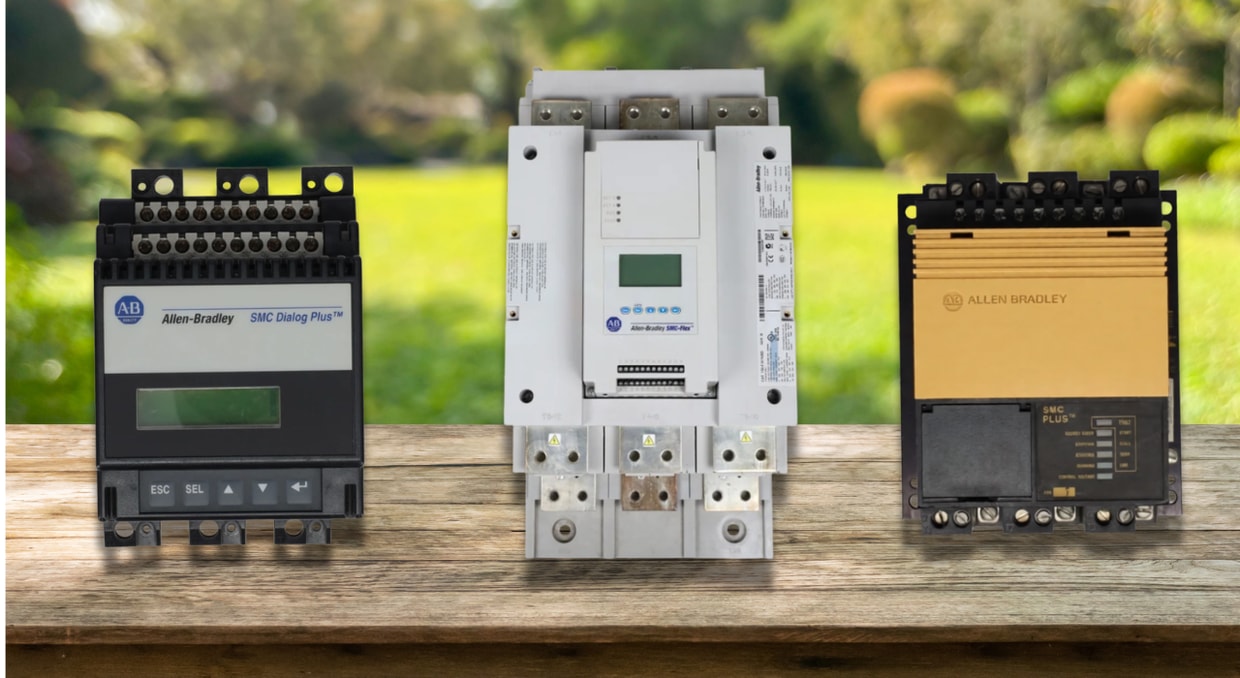
When selecting a soft starter for your motor control application, it helps to know what each setting does and how it affects your motor’s behavior. However, as different modes and features are added to a soft starter, it can be a bit overwhelming to determine the optimal choice for your application. After all, there is kick start, current ramp, torque control, linear acceleration, full-voltage start, and more.
Today we will narrow down this list and go over the two more popular starting modes, voltage ramp and current limit start, explain what makes them different, and even why they might be used together.
The Basics of Soft Starting
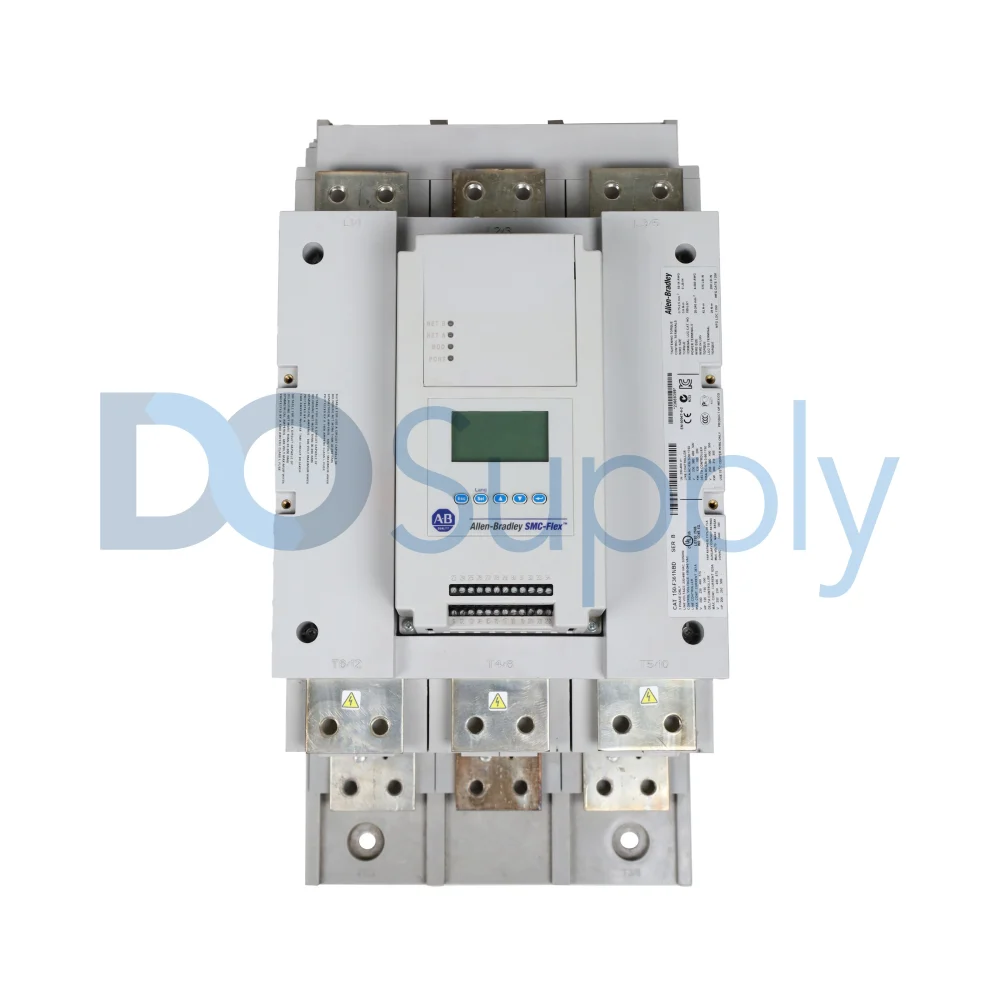
Before we dive into how these soft starter features work, it helps to first briefly go over what a soft starter is and does. If you would like a much more in-depth explanation and overview, we encourage you to read our full guide to soft starters here.
The general idea of a soft starter is to place this device between an induction motor and its power source to reduce inrush current when the motor starts. This is important because a motor starting directly across the line can draw several times its normal full-load current while producing a very strong starting torque. This intense torque kick can be enough to put stress on your system’s belts, couplings, gearboxes, pumps, AC units, and anything else connected to the motor.
To achieve this, a soft starter controls the voltage supplied to the motor at startup. Most soft starters will use pairs of silicon-controlled rectifiers, or SCRs, installed on the motor’s phases. The soft starter can then control the effective RMS voltage reaching the motor by controlling when the SCRs conduct during each AC waveform.
This allows the SCRs to gradually let current pass through the soft starter and to the motor, preventing sudden inrush current. Once the motor reaches its maximum speed, the soft starter will close its bypass contactor to allow power to flow directly to the motor, rather than continuously through the SCRs. This helps prevent heat buildup and wear on the soft starter.
Another important note is that a soft starter does not vary the electrical frequency supplied to the motor. That is a job for a dedicated VFD, and if you would like to learn more about the differences between these two motor controller types, we have another guide here.
What is Voltage Ramp and How Does it Work?
Voltage ramp is one of the simplest and most common soft starter starting methods. As the name suggests, instead of applying full line voltage to the motor immediately, it will gradually ramp up from a programmed initial voltage to full power over a selected period of time. ABB, for example, refers to these settings as initial voltage and start ramp, while some Rockwell Automation soft starters use the terms initial torque and acceleration ramp time.
Ramp time determines how quickly the starter moves from its initial setting toward full voltage. A shorter ramp generally produces faster acceleration, while a longer ramp can provide a more gradual start; however, the programmed ramp time is not necessarily the motor’s actual acceleration time. If the load on the motor is light, the motor will have an easier time reaching its full speed and vice versa.
Considerations When Using Voltage Ramp
To get the most out of this soft starter mode, its settings must be dialed in appropriately. A common mistake is setting the initial voltage too low, which can leave the motor energized without producing the breakthrough torque needed to turn. This leads to excessive heating and extends the starting process. On the flip side, setting it too high may cause the motor to start abruptly, which defeats the purpose of a soft starter in the first place.
Selecting the correct ramp time is also just as important. Dialing it in too short produces quicker acceleration but also a higher starting current and greater mechanical shock. A longer ramp may create a smoother start, but extending the ramp too far can keep the motor at a reduced voltage and elevated current for longer than necessary.
How the Current Limit Mode Works
Current limit start takes a different approach to motor startup. Rather than following a fixed voltage profile, the soft starter will keep the motor current at or below a programmed maximum. This setting works nicely when reducing the inrush current is more important than achieving a specific acceleration pattern.
Programming current limit is usually done by entering a percentage or multiple of the motor’s full-load current. For example, setting the limit to 300% on a motor rated for 40 amps would allow approximately 120 amps during startup.
It’s also worth mentioning that adjustment ranges do vary by soft starter model and brand. The Rockwell Automation SMC Flex, for instance, allows its current limit level to be adjusted from 50% to 600% of motor full-load current. In comparison, Schneider Electric lists a range of 150% to 700% of the programmed motor current for the Altistart 48, subject to the starter’s own current rating.
What Happens During the Start
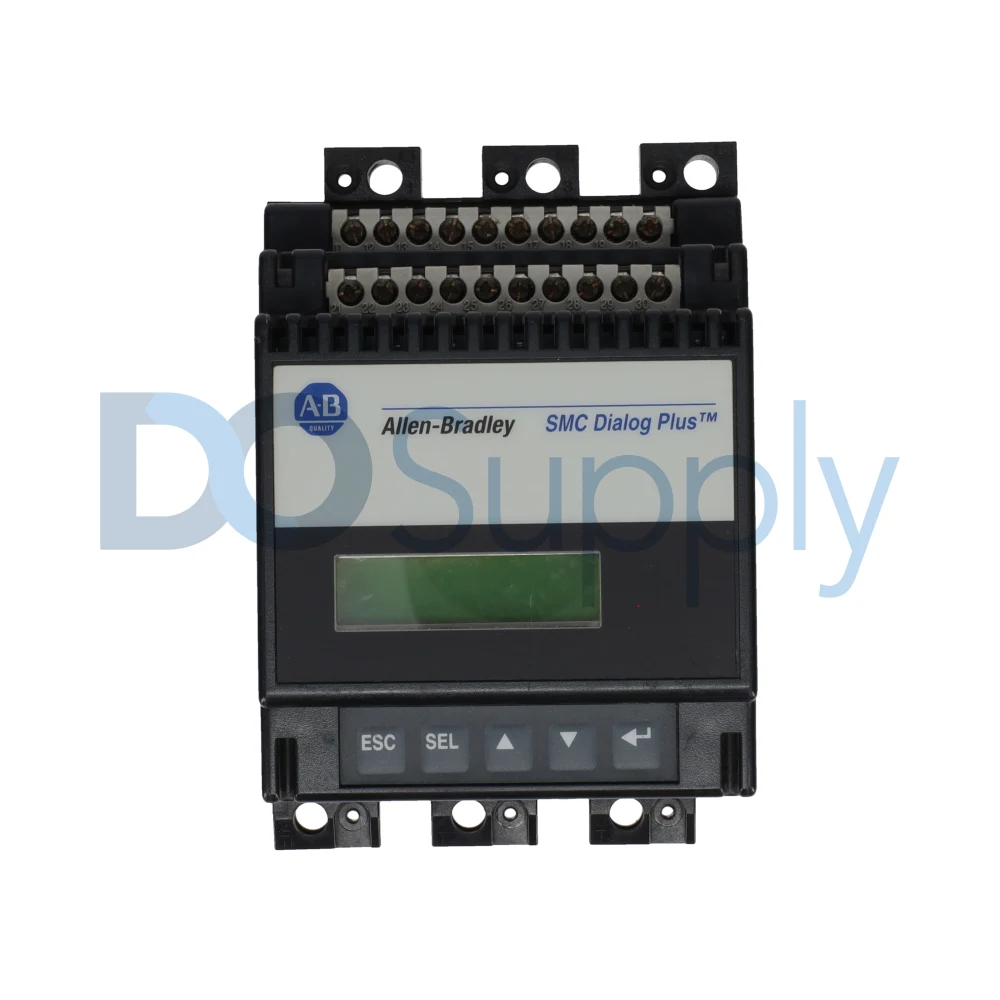
Once the parameters are set and the start command is given, the soft starter increases the motor voltage until the motor current reaches the selected limit. Then it adjusts the SCR output to prevent the current from rising much further.
As the motor accelerates and its current demand begins to fall, the starter can continue to increase the voltage until the motor reaches full speed. The bypass contactor can then close, carrying the motor current during normal operation.
Current and Torque Tradeoff
Changing current or voltage will always have a trade-off in an electrical system. In this case, the main advantage is better control over the inrush current. This can help reduce voltage dips when a large motor is connected to a limited transformer, generator, or shared power system. The tradeoff is weaker starting torque. If the current limit is set too low, the motor may accelerate slowly or fail to move the load entirely.
Why Voltage Ramp and Current Limit Might Be Used Together
Voltage ramp and current limit aren’t always treated as completely separate starting methods. In fact, many soft starters even allow voltage ramp to be programmed with a current limit in place. When used together, the voltage ramp reduces abrupt torque changes, while the current limit prevents the motor from drawing more current than the electrical system can tolerate. The end result is a motor that takes longer to reach full speed, sure, but one that does so efficiently and smoothly. You save on energy, and your system will thank you for reducing the mechanical stress it experiences.
The Limit Can Change the Ramp
One thing to keep in mind when using these settings together is that the programmed ramp time doesn’t guarantee that the motor will reach full speed within that exact period. If the starter repeatedly reaches its current ceiling, voltage cannot increase as quickly as originally programmed. Because of this, acceleration might take longer.
The goal is to set the current limit high enough to provide meaningful starting torque, but low enough to control the electrical inrush.
Final Thoughts
Soft starters are a fantastic tool for those looking to protect their systems, reduce wear on components, or even boost efficiency when running their operations. Understanding the modes available on the soft starter is key to programming it to make your specific setup as efficient as possible while staying within spec.
We hope this article has been useful in clarifying the modes that ship with your shiny new soft starter. If you haven’t pulled the trigger on a soft starter and aren’t sure which model to go with, let us at DO Supply help! We carry different models from companies you can trust, such as Allen-Bradley and Schneider Electric. We also back our products up with our two-year warranty. So give us a call today and let us help you find the right soft starter with the right settings.
DO Supply Inc. makes no representations as to the completeness, validity, correctness, suitability, or accuracy of any information on this website and will not be liable for any delays, omissions, or errors in this information or any losses, injuries, or damages arising from its display or use. All the information on this website is provided on an "as-is" basis. It is the reader's responsibility to verify their own facts.