Going Cable Free with Wireless Communication in Industrial Automation
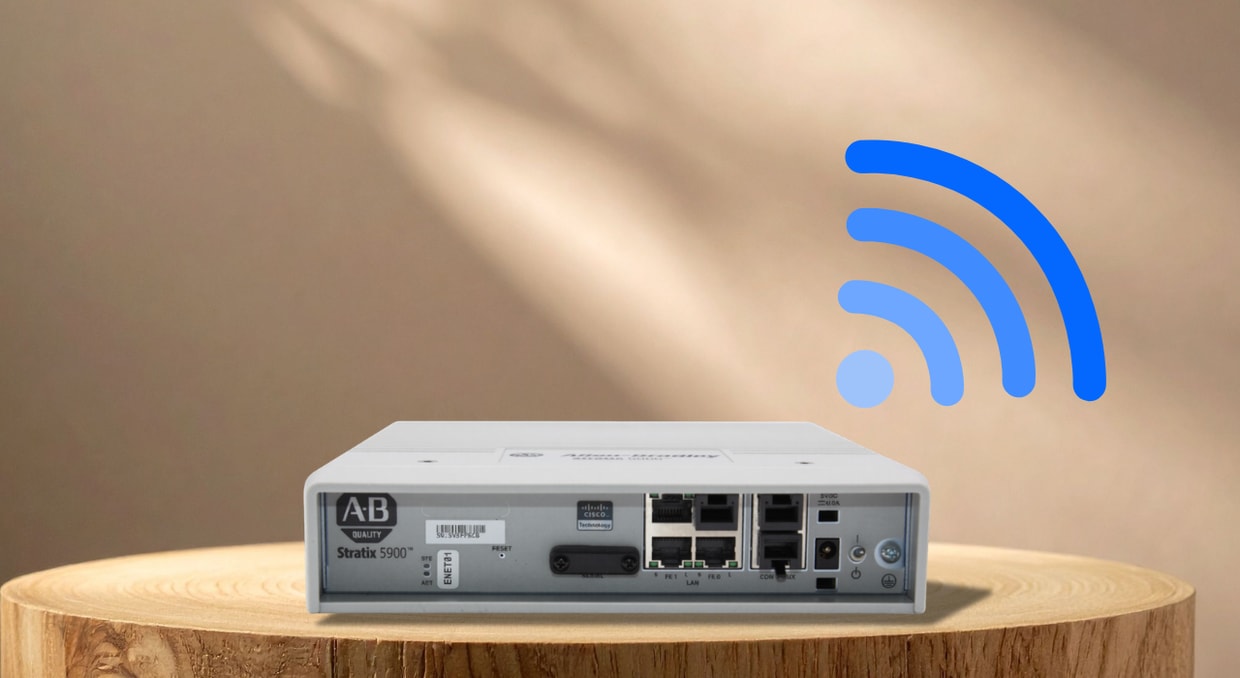
Industrial automation has historically depended on hardwired communication infrastructure. Field devices, controllers, drives, and supervisory systems have been interconnected using copper cables, fiber-optic cables, and structured wiring systems, which require significant installation labor, conduit routing, and ongoing maintenance. While wired communication remains the dominant architecture in most facilities, wireless communication technologies have matured to a point where they are now viable, and in many cases preferred, for specific automation applications.
This article examines the wireless communication technologies applicable to industrial automation, the protocols and standards governing their operation, the engineering challenges associated with deployment, and the application domains where wireless communication delivers measurable advantages over traditional cabling infrastructure.
Why Wireless Communication Is Gaining Traction in Industrial Environments?
The shift toward wireless communication in industrial settings is not driven solely by preference. There are concrete engineering and operational justifications for eliminating cable runs in specific scenarios.
Cable installation in industrial environments is expensive. Conduit runs through existing structures, explosion-proof wiring in hazardous classified areas, and cable trays across large production floors carry significant material and labor costs. For mobile equipment, rotating machinery, or assets located in remote or physically inaccessible areas, cable installation may be technically infeasible.
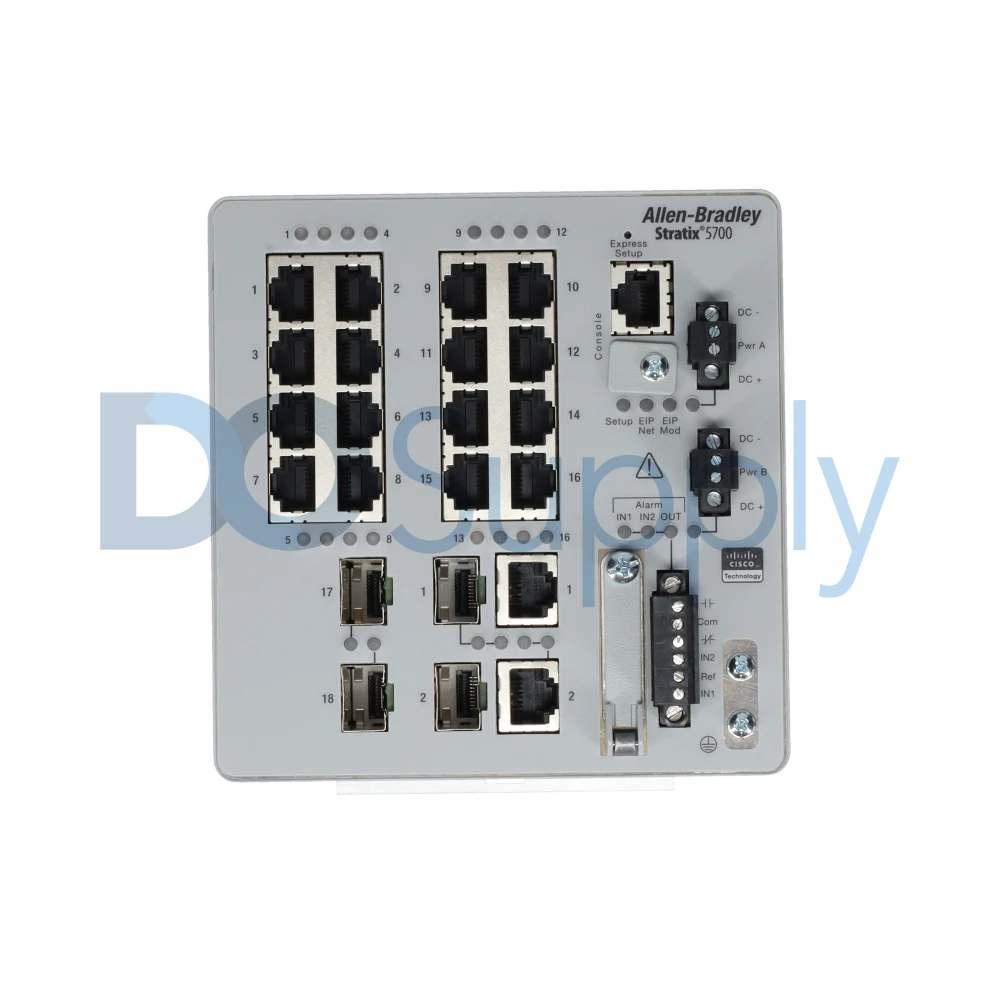
Beyond installation cost, cable infrastructure introduces maintenance liability. Cable damage from mechanical stress, chemical exposure, vibration, and thermal cycling is a recurring source of unplanned downtime. Connector corrosion, insulation degradation, and wiring errors during maintenance activities contribute to fault conditions that are difficult to diagnose and time-consuming to repair.
Wireless communication eliminates these physical vulnerabilities for the connections it replaces and enables data collection from assets that were previously impractical to monitor. The trade-off is the introduction of radio-frequency management requirements, latency considerations, and cybersecurity exposure that must be addressed through proper system design.
Wireless Communication Standards and Protocols in Industrial Automation
Multiple wireless communication protocols exist within the industrial automation domain. Each operates on different frequency bands, supports different data rates, and is optimized for different application profiles. Selecting the correct protocol requires understanding the application’s communication requirements, update rate, range, node count, power availability, and environmental conditions.
WirelessHART
WirelessHART is defined under IEC 62591 and is the wireless extension of the HART protocol widely used in process instrumentation. It operates in the 2.4 GHz ISM band using IEEE 802.15.4 radio technology with channel hopping across 15 available channels to mitigate interference. The network operates as a self-organizing, self-healing mesh, where each node can route traffic on behalf of other nodes, improving reliability and coverage.
WirelessHART is designed specifically for process variable monitoring, temperature, pressure, flow, and level, where update rates of one second or longer are acceptable. It is not suited for fast control loops or time-critical applications. The protocol supports data encryption using AES-128 and implements a joint key authentication mechanism, providing a defined security model for field device communication.
Battery-powered WirelessHART transmitters are widely available from major instrumentation manufacturers. Update intervals are configurable and directly affect battery life, with slower update rates extending battery service life to several years under typical conditions.
ISA100.11a
ISA100.11a is an international standard developed by the International Society of Automation for wireless communication in industrial process and factory environments. Like WirelessHART, it operates in the 2.4 GHz band using IEEE 802.15.4 radios and supports mesh networking. ISA100.11a is designed to be protocol-agnostic at the application layer, meaning it can tunnel multiple industrial protocols, including HART, Modbus, and Profibus, over the wireless backbone.
The standard includes provisions for time-synchronized channel hopping, redundant path routing, and quality of service classification. Security is implemented through AES-128 encryption and a layered key management system that separates join security from session security.
ISA100.11a is seeing broader adoption in the oil and gas and chemical process industries, where the ability to retrofit wireless communication onto existing wired field devices through adapter modules is a significant advantage.
Industrial Wi-Fi (IEEE 802.11)
IEEE 802.11 Wi-Fi communication is the most widely recognized wireless technology and has been adapted for industrial use through ruggedized access points, deterministic communication extensions, and industrial-grade enclosure ratings. Industrial Wi-Fi operates primarily in the 2.4 GHz and 5 GHz bands, with 5 GHz offering greater bandwidth and reduced interference from consumer devices at the cost of shorter range and reduced penetration through physical obstacles.
Industrial Wi-Fi is appropriate for applications that require higher data throughput than low-power mesh protocols can support, such as video surveillance, large-file transfers, and HMI communication with mobile operator panels. It is also used for AGV and automated guided cart communication, where vehicles need continuous connectivity as they traverse a facility.
The primary challenges with industrial Wi-Fi are roaming latency between access points, interference management in dense RF environments, and the quality of service limitations inherent in contention-based MAC protocols. Standards such as IEEE 802.11r for fast BSS transition and IEEE 802.11e for quality of service prioritization address some of these limitations but require access point hardware and client devices that support the relevant extensions.
WIA-PA and WIA-FA
Wireless Networks for Industrial Automation – Process Automation (WIA-PA) and Factory Automation (WIA-FA) are Chinese national standards developed in accordance with IEC 62601 and IEC 62948, respectively. WIA-PA addresses process automation applications similar to WirelessHART and ISA100.11a, while WIA-FA targets factory automation with tighter timing requirements and support for control-level communication.
These standards are seeing increasing adoption in industrial projects across the Asia-Pacific region. They are relevant to engineering teams working on international projects or sourcing equipment from Chinese manufacturers that implement these protocols natively.
5G Private Networks
5G private network deployment in industrial environments represents the most significant recent development in industrial wireless communication. Unlike the protocols above, which are purpose-built for specific automation tasks, 5G provides a general-purpose high-bandwidth, low-latency wireless communication infrastructure capable of supporting a wide range of applications simultaneously.
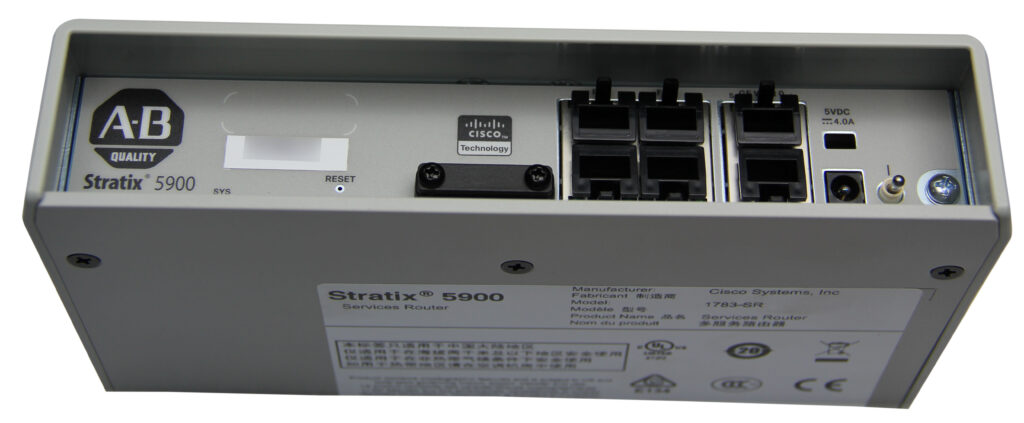
Private 5G networks operate on licensed spectrum allocated to the facility operator, eliminating interference concerns associated with shared ISM-band operation. The 5G New Radio standard supports ultra-reliable low-latency communication (URLLC) modes that target sub-millisecond air-interface latency and five-nines reliability, which approach the determinism required for closed-loop control applications.
RF Propagation Challenges in Industrial Environments
Industrial facilities exhibit RF propagation conditions that differ substantially from those in office or commercial environments. Metal structures, rotating machinery, overhead cranes, large material stockpiles, and high-voltage equipment all affect radio signal propagation through reflection, diffraction, absorption, and electromagnetic interference.
Multipath propagation occurs when radio signals arrive at the receiver via multiple reflected paths with different time delays. In industrial environments with extensive metal surfaces, multipath conditions are severe and can cause signal cancellation at specific locations, a phenomenon known as multipath fading. Frequency-hopping spread spectrum techniques used by WirelessHART and ISA100.11a mitigate multipath fading by distributing transmission across multiple channels, reducing the probability that a given channel will be in a fade condition for consecutive transmissions.
Electromagnetic interference from variable frequency drives, arc welding equipment, induction heaters, and large motor contactors occupies portions of the ISM spectrum and can elevate the noise floor across a facility. Site surveys using spectrum analyzer equipment should be conducted before wireless network design to characterize interference sources and their frequency distribution. This data informs access point placement, channel assignment, and transmit power configuration.
Cybersecurity Requirements for Industrial Wireless Communication
Wireless communication introduces an attack surface that does not exist in hardwired networks. RF signals propagate beyond the physical boundaries of the facility, making them accessible to external parties without physical access to the site. Industrial wireless networks must implement a defined cybersecurity posture to protect against unauthorized access, data interception, and denial-of-service attacks.
Encryption of all wireless communication is a baseline requirement. WirelessHART and ISA100.11a implement AES-128 at the network layer. Industrial Wi-Fi deployments should use WPA3-Enterprise authentication with individual device certificates rather than shared pre-shared keys, which simplifies credential management and limits the blast radius of a compromised credential.
Application Domains Where Wireless Communication Is Most Effective
Remote and Inaccessible Asset Monitoring
Wireless communication is directly suited to assets located in areas where cable routing is impractical, such as elevated structures, underground chambers, rotating equipment, and outdoor installations across large geographic areas. WirelessHART and ISA100.11a battery-powered transmitters can be installed on these assets and report process variables to the control system without any wired infrastructure beyond the gateway.
Mobile Equipment and AGVs
Forklifts, automated guided vehicles, and mobile operator stations require continuous communication as they move through a facility. Wireless communication through industrial Wi-Fi or private 5G provides the connectivity needed for position tracking, task assignment, safety system integration, and HMI access on mobile platforms.
Temporary Monitoring During Maintenance and Commissioning
Wireless data loggers and portable field instruments enable process variable monitoring during turnaround maintenance, commissioning, or troubleshooting without the need to install temporary cabling. Data is transmitted to a gateway or recorded locally and retrieved via a wireless link.
Final Thoughts
In conclusion, Wireless communication in industrial automation is no longer an experimental or niche technology. Mature standards, certified hardware, and established integration methods make wireless a legitimate alternative to cabling for a defined set of applications. The engineering discipline required to deploy wireless networks reliably in industrial environments, RF planning, interference mitigation, cybersecurity implementation, and gateway integration, is well understood and supported by available tools and vendor resources. Organizations that evaluate wireless communication systematically against their application requirements and site conditions will identify substantial opportunities to reduce installation cost, extend monitoring coverage, and improve operational flexibility without compromising the reliability and security that industrial control environments demand.
We at DO Supply carry a large selection of Ethernet switches, operator interfaces, and control hardware used in modern wireless automation systems. So if you’re considering a wireless architecture or replacing legacy components, our team can help you find compatible hardware to fit. We back all of our products with a two-year warranty as a testament to our commitment to quality. We also have a blog comparing the Stratix 5900 industrial router that we linked above to traditional industrial routers here.
DO Supply Inc. makes no representations as to the completeness, validity, correctness, suitability, or accuracy of any information on this website and will not be liable for any delays, omissions, or errors in this information or any losses, injuries, or damages arising from its display or use. All the information on this website is provided on an "as-is" basis. It is the reader's responsibility to verify their own facts.