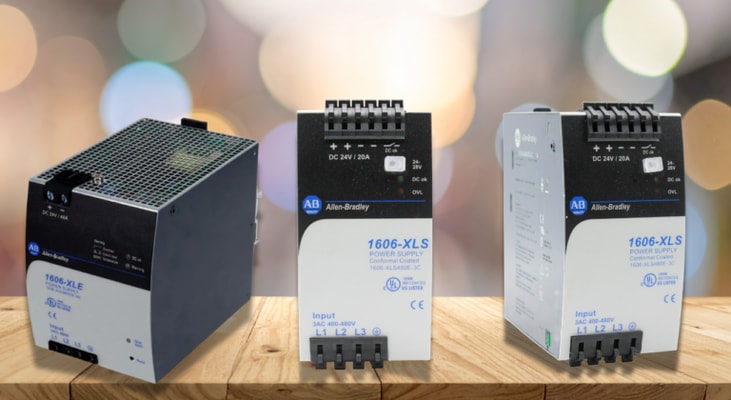
When working on industrial equipment, whether it’s a PLC, a motor starter, or a full control cabinet, integrators almost inevitably encounter 24V DC. It shows up everywhere, quietly powering sensors, I/O, safety circuits, and control logic. What makes this curious is that most of us don’t use 24V DC in everyday life. In the United States, homes are wired for 120V AC, while many consumer devices run on anything from 5 to 12 volts DC through built-in power supplies. That contrast raises an obvious question. If so many voltages already exist and work perfectly well in other environments, why has industrial automation settled so firmly on 24V DC? At first glance, this answer may seem too simple. After all, when compared to 120V AC or even 480V, 24V DC is a lot less scary to work with. Accidental contact is far less likely to result in serious injury, which immediately lowers risk during installation, troubleshooting, and maintenance. In environments where panels are opened daily and...
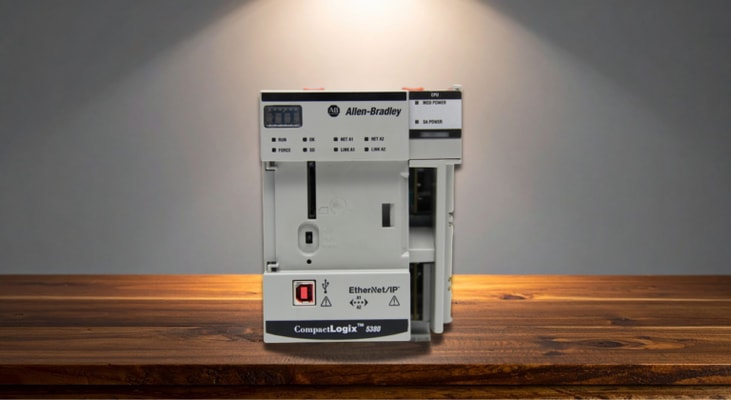
If you open a PLC rack and point to the CPU, most people will tell you it’s “the brain of the system” and then immediately stop talking. Not because that explanation is wrong, but because it usually leads straight into computer science terms that don’t help much when you’re trying to understand what the PLC is actually doing. Really, the CPU is more like a little worker instead of a brain. His main task is to ensure nothing is on fire, read and understand the instructions given to him, tell the rest of the system what to do based on them, and record the results. This happens thousands of times a second without our little worker getting distracted or tired. Once you look at it that way, the CPU no longer feels abstract, and you can follow its thought process step by step to see why timing matters. Though there is more to it than that, so let’s decipher what the CPU does inside of a PLC, all in plain English. You’ll often see the terms CPU and processor used interchangeably, especially...
One of the core designs of any product, whether it be a video game menu, your phone’s operating system, an HMI, or the laptop used to program it, is its User Interface. The UI, by definition, is the space where interactions between humans and machines occur, and is especially important to get right as it’s what stands between you and the task at hand. If executed poorly, this will lead to user frustration, anger, and reduced willingness to use it. After all, would you still use a phone if you had to jump through five menus every time just to unlock it? Of course not. The same human-centric design principle applies to industrial Human-Machine Interfaces as well. So let’s get into what makes an HMI design great and why it matters to the operator using it! A bad HMI UI design is easier to recognize because it stands out much more. This can lead to operator error, misinterpreted information, or downtime if it is severe enough. Some of the more common poor UI choices for HMIs are: Shop for...
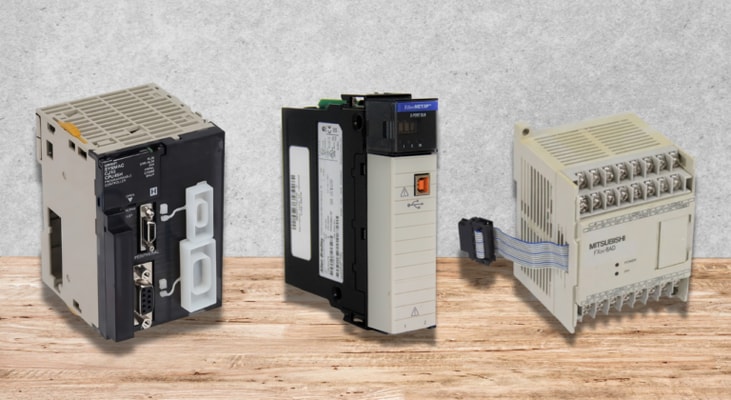
PLCs are considered the backbone of modern industrial automation systems. From the production of diverse devices to the operation of large, fully automated factories, the need for more precise, cost-effective control systems is stronger than ever. At the forefront of modern technological progress stands the Programmable Logic Controller (PLC), an industrial‑grade computer specifically designed to supervise and control devices, processes, and entire production lines in real time. Nowadays, PLCs have progressed from basic relay-based units to modern computing platforms capable of managing sophisticated motion control, trend and alarm displays, data handling, process optimization, and interfacing with various cloud services. Consequently, the worldwide automation sector now includes many PLC Brands, each offering its distinctive design approach, advantages, and technological breakthroughs to the market. Selecting the appropriate PLC is no longer straightforward. Engineers need to...
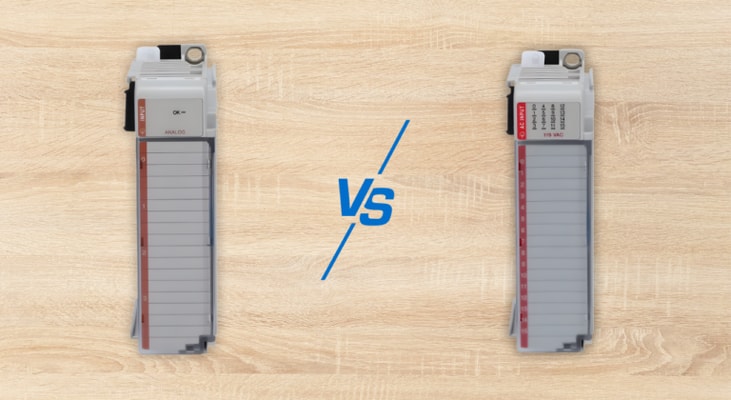
Analog and digital inputs are the primary mechanisms by which automation systems interpret and sense the physical world. Each industrial automation system relies on input signals to measure process variables, monitor states, and provide feedback to the connected controller. Originating from field input devices such as transmitters, switches, pushbuttons, and sensors, these signals are transmitted to input modules and serve as the foundation for all subsequent decision-making and control logic. Input modules in automation systems are engineered to reliably convert electrical signals into usable data while maintaining high accuracy, effective electrical isolation, and immunity to noise. The key distinction between digital and analog inputs lies in how information is represented: digital inputs communicate information in discrete, non-continuous steps, typically representing binary states such as ON/OFF or True/False, while analog inputs utilize continuously varying measurements to...
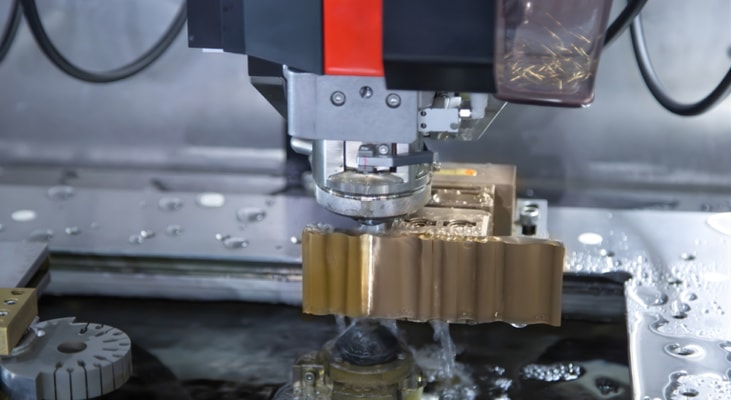
Have you ever come across a video where a solid block of metal, with no visible seams, suddenly has a perfectly formed part pushed out of it? Or watched two separate pieces slide together so cleanly that they appear to be a single solid component? As tempting as it may be to chalk that up to black magic, the reality is far more interesting. These parts are often produced using a process called wire electrical discharge machining. Wire EDM is responsible for achieving micron-level tolerances, producing components that fit together with extraordinary precision. The basic concept is similar to cutting a block of foam or cheese with a thin wire. Still, instead of mechanical force, the process relies on controlled electrical discharges and carefully coordinated CNC components to remove material without ever making contact. To understand how wire EDM achieves this level of accuracy, it helps to start with the fundamentals of the process. Wire electrical discharge machining, or wire EDM, is...
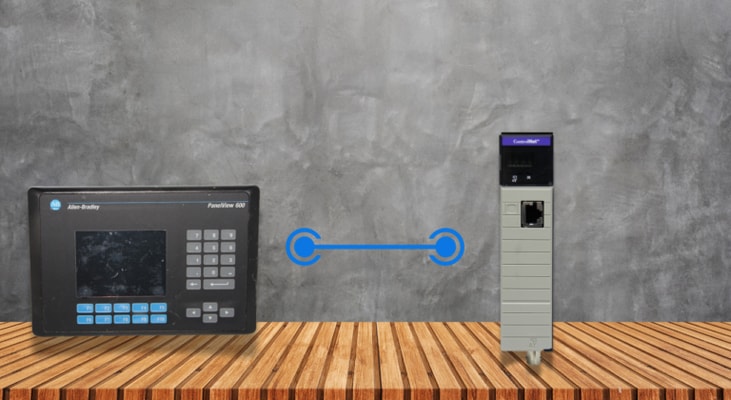
Within industrial automation frameworks, HMIs (Human–Machine Interfaces) serve as the essential link between human operators and the control logic executed by PLCs (Programmable Logic Controllers). Although PLCs handle deterministic, real‑time regulation of equipment and processes, HMIs deliver visual displays, operational command, alarm handling, and system diagnostics. Reliable and sturdy HMI–PLC communication isn’t a matter of chance. It demands thoughtful network layout design, prudent protocol selection, effective tag handling, fine‑tuned update intervals, and solid error‑management techniques. This piece examines tested communication suggestions and best‑practice guidelines that automation engineers can use to achieve lasting stability when linking HMIs and PLCs in industrial settings. HMIs act as the operator‑oriented interface of an automation system. They convert intricate control logic and live process data into user‑friendly graphical displays that operators can readily...
PLC Brands have a pivotal influence on the efficiency, scalability, and dependability of control systems. It is also true that not all PLCs are the same. Different manufacturers concentrate on different industries, environmental resilience, processing rates, and communication standards. Choosing the right PLC family has evolved from a normal buy to a strategic investment as the industry shifts toward Industry 4.0 and IIoT adoption. A manufacturing system’s ability to grow or the need for costly redesigns in the future can be determined by choosing the right PLC brand. This article outlines the most reputable PLC Brands and their premier controller families to assist you in making a well‑informed investment choice. Shop for Allen-Bradley ControlLogix PLCs Here Allen-Bradley from Rockwell Automation consistently ranks #1 among top-tier PLC brands. Allen-Bradley now leads the Micro800TM family (Micro810 , Micro820 , Micro850 , and Micro870 ), in addition to the advanced GuardLogix safety...
In the architecture of modern industrial automation, the common thread that ties everything together is synchronization. This ensures everything operates in real time. The regular and consistent exchange of data among the main control elements, namely Programmable Logic Controllers (PLCs), Human-Machine Interfaces (HMIs), and motor drives, is the nervous system of any automation system. The communication efficiency of the manufacturing, energy, and transport systems determines their impact on intelligence, safety, and efficiency. This article explains the technical nature of this interaction by examining the role of each device, the language they speak, and the physical and logical paths that must be in place for it to work properly. At the center of any control system is the PLC, which is undoubtedly the brain of the operation. These are computer systems that are designed for industrial use. The main task of these devices is to run logic control and deterministic logic control. The...
Human-machine interface (HMI) equipment is constantly challenged in industrial settings. Even the most robust components may be affected by dust, temperature changes, electrical noise, and constant use. For operators who rely on Rockwell Automation panel view terminals, a proactive, informed maintenance plan is not merely a suggestion but also a significant factor in ensuring the greatest availability of operational time and the security of a substantial automation investment. This overall manual provides step-by-step technical guidance and best practices to greatly extend the functional life of your PanelView displays, from daily cleaning to end-of-life component maintenance. The main interaction point on every PanelView terminal is the display window, and thus its responsiveness and readability are of paramount importance. A very important though seemingly quite simple maintenance activity is proper cleaning. The wrong method may cause irreparable damage, whereas a responsible...
The words CPU and Processor are among the basic terms in modern computing architecture, yet the subtle association between them has been neglected. The accurate definition of the CPU vs. Processor dynamic is not only an academic tool but also a very important one for engineers, system architects, and automation specialists who must make the most of their systems’ performance. This in-depth exploration of the CPU vs Processor will break down the two functions, discuss the performance characteristics that distinguish them, and explain how they directly affect the two pillars of current computing: automation speed and deterministic logic execution. The Central Processing Unit (CPU) is clearly the brain of the computer system. It is a dedicated element for the flow of instructions and data up and down the system and is subject to the fetch-decode-execute cycle. Since it is the computer component that fetches and executes instructions, its architecture comprises an Arithmetic Logic Unit...
Assembly lines are the backbone of American industry. It allows factories to produce products faster by using a conveyor belt to move them to different workers responsible for a single task. This idea originated in early meatpacking plants and was revolutionized by Henry Ford in 1913 with the production of the Ford Model T. It was at the core of the second industrial revolution and remains central to the transition to the fourth industrial revolution, or Industry 4.0, that we are experiencing today. The only difference is that robots and other automated technology have now replaced the majority of those workers on the line. Yet, what remains the same between industry 2.0 and 4.0 is the threat of downtime. If something goes awry, parts are misplaced, or a component of the assembly line is out of commission, the line shuts down for repair, and every second lost is revenue. To combat this, factories turn to more robust systems, redundancies, and reliable products. From the beginning of...
The global manufacturing sector is undergoing a profound shift. The Programmable Logic Controller (PLC), a powerful and intelligent technology meant to control and manage industrial machinery and procedures, is the foundational element of this automation system. Getting the correct PLC Manufacturer is a greater challenge nowadays than ever before. The reason is that so many different PLC manufacturers offer different hardware ranges and features, communication standards, and software frameworks. Selecting a suitable option for your automation system requires understanding both your current automation needs and your future communication strategy. A Programmable Logic Controller is a dedicated industrial computer created for real‑time control. PLCs are designed to withstand vibration, temperature changes, moisture, and dust while operating continuously without fault. They are capable of directly managing digital and analog inputs, executing logic, and driving actuators. PLCs execute a...
Despite the rapid shift to high-performance PAC platforms, IIoT-enabled automation, and industrial 4.0, the MicroLogix Programmable Logic Controllers remain deeply integrated into industrial operations globally. Originally launched by Allen-Bradley (Rockwell Automation) to replace larger, hard-wired relay-logic control systems, MicroLogix PLCs have evolved into robust, reliable, and instruction-rich control platforms capable of handling a wide range of discrete and analog automation tasks. The exceptional balance between reliability, cost, simplicity, ease of programming, long-term deployability, and electrical ruggedness is what makes the MicroLogix family a lasting success, rather than its sheer processing capabilities. In industrial engineering settings where determinism, uptime, and ease of maintenance are prioritized over advanced features, the MicroLogix series remains a reliable, dependable workhorse. This article explores why the MicroLogix series still matters. Despite the...
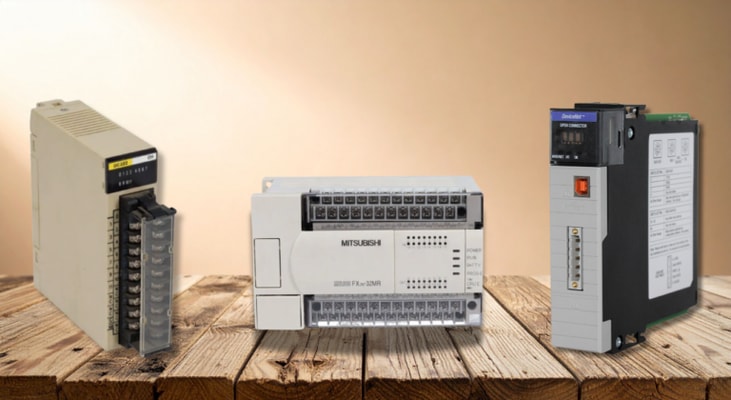
PLCs have become intelligent brains that control manufacturing processes, process control systems, and infrastructure management worldwide. The choice of the PLC brand is very important for project success, operational efficiency, and long-term cost-effectiveness. This paper will examine the applicability of six primary manufacturers of PLCs: Allen-Bradley, Omron, Siemens, Schneider Electric, and Mitsubishi Electric to small, medium, and large-scale automation projects. The factors that determine the PLC across project sizes are essential before delving into specific brands. These are processing capabilities and performance, power and scalability, software development environment, ease of programming, integration with existing system capabilities, cost impact and base costs, availability of technical support and training, reliability and mean time between failures, and compliance with international standards and certifications. Allen-Bradley, a company within Rockwell Automation, has...