When it comes to selling products, there are a few marketing terms we’ve all become familiar with. Heavy-duty, military-grade, high-performance, next-generation, and so on. On paper, those phrases sound meaningful, but most of the time, they exist purely to catch your eye rather than explain anything measurable. Automation is one of those areas where this pattern starts to break down. In this space, “industrial grade” is usually shorthand for real design decisions, environmental ratings, and long-term reliability expectations that consumer hardware never has to meet. Though there is much more to it than that, so join us as we unravel the facts between marketing and what truly makes a product industrial grade. To understand why industrial grading is needed, it’s best to start by looking at the industry as a whole. Industrial automation covers a broad spectrum, from marine and offshore plants to chemical and fertilizer plants. Each presents its own set of hazards, some of which are:...
In industrial automation, Programmable Logic Controllers (PLCs) are the central processing units for calculations that require precise, error-free data transfer to support determinism. A packet not received during the data transmission of process variables is considered a serious nondeterministic event. This has consequences beyond an incident and extends through a technological chain of effects on scan cycles, control, and networks. These consequences are dependent on protocol, programming, and processes, and hence require in-depth knowledge. A PLC finds missing data via mechanisms integrated into its communication stack and application logic. Industrial networks built on standard Ethernet, such as EtherNet/IP or Profinet, have integrated sequence numbering, timestamping, or heartbeat signals into their frame structure. The PLC looks for these integrated signals, and a missing sequence or the expiry of the periodic “heartbeat” packet triggers the missing packet detection algorithm...
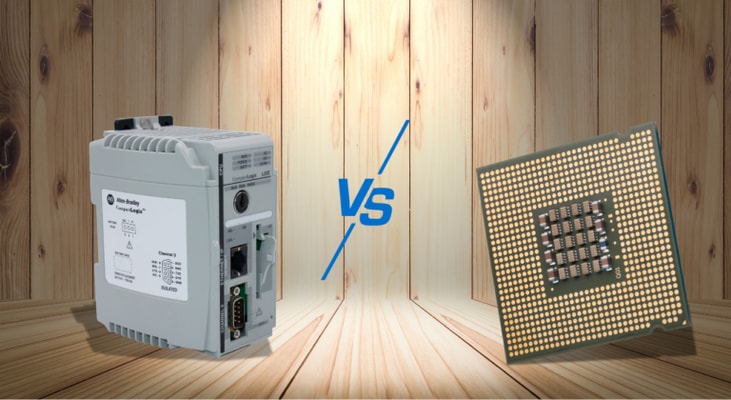
Accuracy in terminology is very critical in industrial automation. In deterministic control networks, where fault, sequence, and timing handling are verifiable and predictable, Programmable Logic controllers operate these systems. The fundamental system architecture may be obscured, as many engineers often use the processors and CPUs interchangeably. As contemporary PLCs evolve to feature visualization technologies, integrated safety, distributed intelligence, and multicore CPUs, the distinction is essential. Faults may occur in cybersecurity, task configuration, redundancy planning, system design, and procurement due to a misunderstanding of the distinction between CPU and processor. This article explores the primary differences between CPUs and Processors. Featuring technical descriptions, architectural tasks, performance factors, maintenance implications, and future shifts in industrial control networks. Engineers can determine more precise design and functional decisions by...
Communication protocols are the rules that control how machines communicate with each other in factories. These rules directly determine two critical things: how fast production lines can run and how easily and safely they operate. When machines can communicate quickly and reliably, factories produce more products with fewer accidents. When communication is slow or unreliable, production suffers, and safety systems may fail to meet required standards. Modern factories organize their communication systems in hierarchical layers. At the bottom (Level 0) are the physical devices: sensors that measure temperature or pressure, motors that move conveyor belts, and valves that control fluid flow. The next level up (Level 1) contains PLCs (Programmable Logic Controllers), which are specialized industrial computers that control these devices. PLCs run control programs in continuous cycles, making decisions every few milliseconds. A typical PLC scan cycle ranges from 0.1 milliseconds to 100...
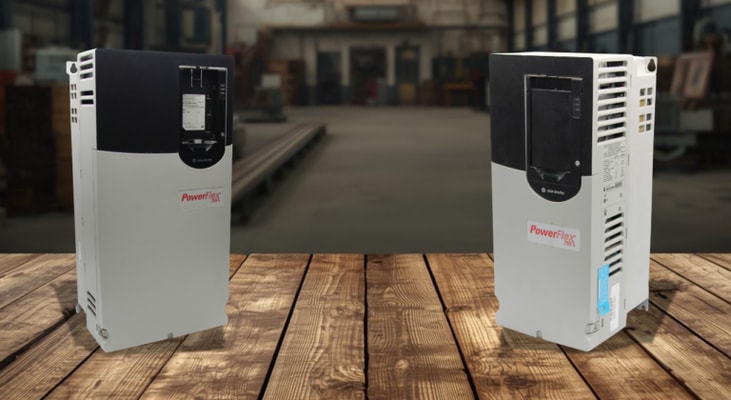
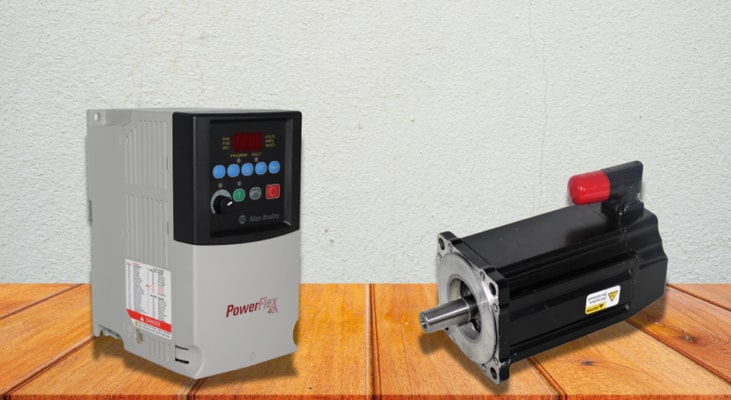
Today, Industrial automation relies heavily on CNC machine components, which must deliver consistent performance, often in challenging industrial environments. CNC equipment is no longer just found in climate-controlled environments. Instead, they operate directly on shop floors that are covered in oil mist, metal fragments, and heat stress. The endurance of each electrical and motion-control component is crucial in these conditions. The Allen-Bradley PowerFlex 750 Series, a family of high-performance AC drives designed for harsh industrial environments, is one of the most reliable choices across a range of applications. This range of drives, including the PowerFlex 753, 755, and 755TS series, offers all the qualities required for such environments. This article examines how CNC machine components endure harsh conditions by focusing on the design philosophy, technical capabilities, and real‑world performance of the Allen‑Bradley 750 Series CNC machines are one of the toughest devices;...
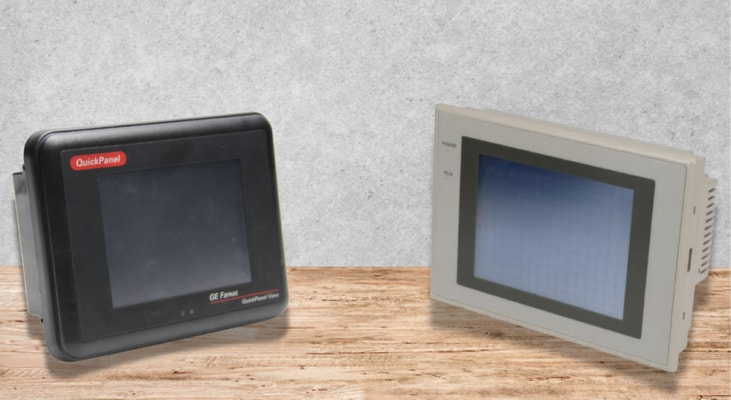
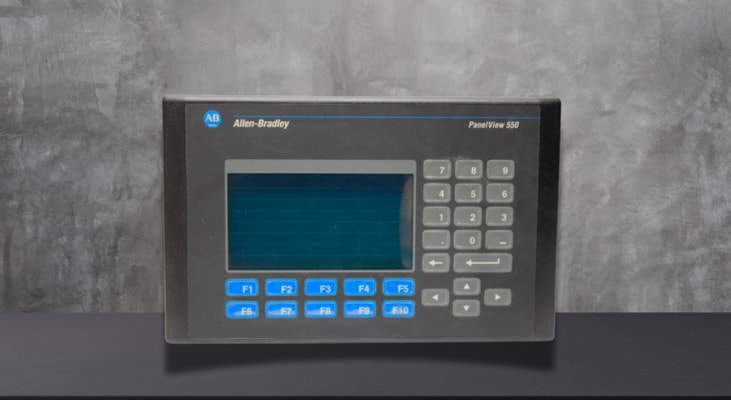
Contemporary industrial automation systems operate in environments characterized by increasingly stringent safety requirements, greater system complexity, a profound reliance on data-driven decision-making, and higher production demands. In this context, the Human-Machine Interface has evolved from a basic visualization endpoint into a critical operational component that directly impacts system efficiency, reliability, and safety. Standard panel-based operator interfaces, including earlier Allen-Bradley PanelView terminals, were designed for isolated machine control; however, they are insufficient for modern data-intensive, distributed industrial processes. Modern HMI designs have significantly transformed from simple push-button emulations and tag displays to intelligent, high-performance graphic terminals. They now integrate human-centered design principles, including human cognitive behavior, enhanced situational awareness, and streamlined operator workflow. By leveraging advanced...
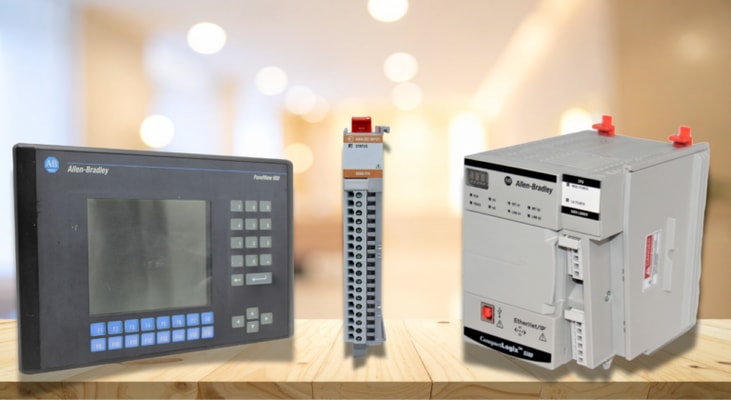
Modern industrial machines may appear mechanical externally, yet internally they operate through an integrated digital control system. Any automation system has three major components: the Programmable Logic Controller (PLC), the CPU, and the Human‑Machine Interface (HMI). For any industrial automation process, understanding how these components work together is essential for anyone involved in automation, manufacturing, or industrial engineering. HMIs help people engage with the equipment by visualizing the entire process; PLCs manage the machine’s logic and operations; and CPUs execute commands that keep everything operational. Each component serves a separate purpose, but its true strength lies in how they exchange information and communicate with one another in real time. PLCs form the core of industrial automation. They are dedicated industrial computers designed to reliably manage machines, production lines, and processes in demanding environments. In contrast to general‑purpose...
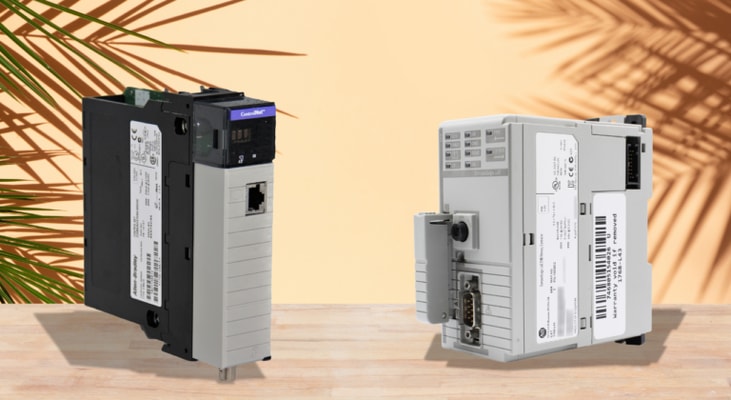
Industrial automation systems in 2026 have advanced to become both extremely uptime-critical and software-defined. The choice of a suitable PLC brand is therefore no longer solely determined by manufacturer/vendor reputation, cycle time, and I/O count. Instead, selecting the right PLC brands is based on compliance with emerging safety guidelines, cybersecurity features, compatibility with cloud computing platforms, extensive lifecycle management, and continued vendor support. Beyond key technical capabilities, comprehensive lifecycle management and long-term vendor commitment are becoming essential when choosing among PLC brands. This article presents a detailed technical comparison of leading PLC brands in 2026, focusing on lifecycle support, cost-effectiveness, and system reliability. The ControlLogix and CompactLogix controller platforms are the most renowned Allen-Bradley PLC brands within North America for industrial automation, though other PLC lines, such as MicroLogix, are...
The accuracy of CNC machining is not a characteristic in itself but rather an overall system that emerges from the interaction and functioning of the machine’s core systems. The micron-level precision and repeatability achieved by the machining system derive directly from design decisions within the core components of a CNC system. The machining system’s accuracy is built into its robust mechanical design, feedback control, and compensation for natural forces such as vibration, friction, and thermal expansion. This analysis will review the core components of a CNC system and identify the specific details within each component. The MCU is the processing hub where the digital model is developed into executable physics. This is the CNC part that, rather than simply executing G-code commands, is responsible for real-time kinematic calculations, which account for simultaneous movements of multiple axes while adhering to correctly programmed feed rates and trajectories. The accuracy aspect...
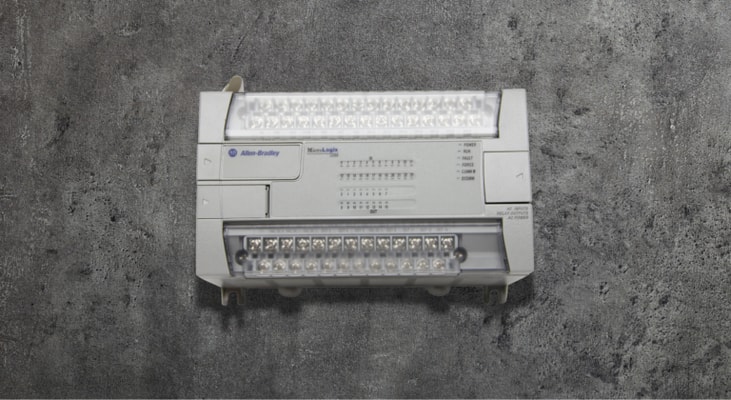
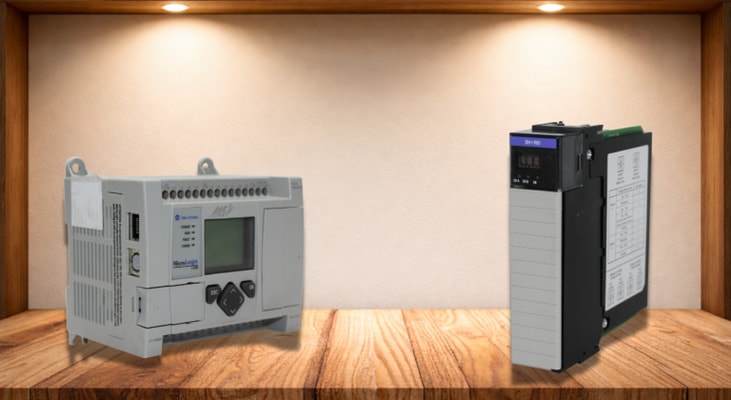
Industrial automation nowadays focuses more on the programmable automation controllers (PACs), different motion systems, Industrial IoT architectures, and cloud‑linked control logics. Although such technologies are important for data‑intensive manufacturing environments, they do not always represent the most practical option. Different industrial systems still require consistent performance and cost‑effectiveness rather than other secondary features. That is exactly the niche where the MicroLogix controller family remains relevant today. MicroLogix controllers have built an enduring reputation for reliable control in space‑constrained, cost‑sensitive applications. Instead of trying to supplant higher‑end platforms, MicroLogix occupies a vital niche, delivering scalable micro‑PLC solutions that stay highly applicable in sectors such as water and wastewater, packaging, material handling, HVAC, food and beverage, and remote SCADA systems. The MicroLogix series was created with a...
Industrial Connectivity constitutes the operational backbone of manufacturing and process plants, where the demands of reliability, determinism, and performance under challenging conditions are critical. The underlying theme of the discussion on network infrastructure is the continued use of legacy Fieldbus solutions alongside increasingly important Industrial Ethernet solutions. It’s a transformation, not just a migration, with layered complexities. Industrial networks span multiple layers, each with its own specific expectations. Fieldbus and Industrial Ethernet were shaped by different layers of this hierarchy, which explains why both persist. At the field level, you will observe your sensors and actuators interact directly with the physical process. These devices are plentiful, simple, and often installed in harsh industrial environments. Here, wiring efficiency, rugged connectors, and predictable timing matter far more than bandwidth. Source 1769 AENTR EtherNet/IP Adapters Here...
When a PLC product you rely on to keep your operations running is discontinued, it brings a special kind of unease. Sure, the PLCs won’t quit working that night, but the uncertainty begins to creep in. Will the entire system need to be upgraded? How long will replacement parts be available? Do firmware updates still happen? And what does “end of support” actually mean for a machine that still runs every day? While a discontinued PLC line isn’t ideal, it also isn’t an end-all to a system currently running its hardware. In fact, with larger brands, it’s a lot less of a headache. Today, we are going to go over why that is, what you can do in this situation, and how you can prepare for the inevitable. Source MicroLogix 1500 Parts and PLCs Here When a PLC brand discontinues a product line, it does not mean that your system is suddenly obsolete or unsafe to run. In most cases, when a PLC brand’s discontinuation is a formal lifecycle milestone rather than a complete emergency shutdown. When...
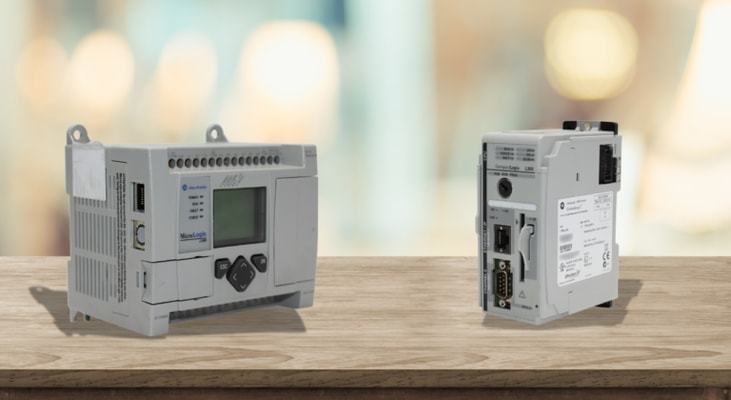
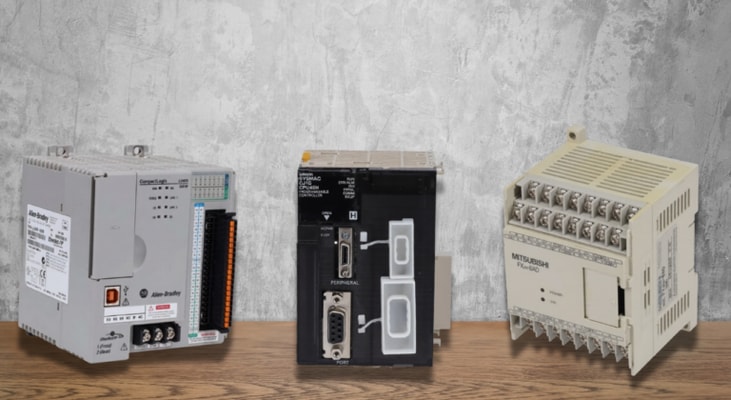
Choosing a programmable logic controller involves a realistic analysis of technology requirements versus expense and complexity considerations. On the Rockwell Automation platform, there are two different approaches to automation offered in the MicroLogix and CompactLogix series of programmable controllers. A detailed breakdown of the differences between these two will help analyze their advantages and disadvantages. The point of divergence between the two lies in their underlying architectures. The MicroLogix line is a hard-wired, cost-effective controller package for discrete, stand-alone processes. It follows a monolithic architecture, in which the processor, power supply, and a fixed number of I/O circuits are typically packaged together in a single device or module. On the other hand, the CompactLogix architecture is based on the Logix platform, which is modular and scalable. It is rackless and modular, with a processor module package integrated with application-specific I/O...
The technical and visual interaction between industrial processes and the operators who are working on them is provided by Human Machine Interfaces (HMIs). HMIs are crucial for maintaining productivity and process reliability because they provide real-time data, alerts, help in control, and diagnostics. However, HMIs always face issues that can significantly shorten their service life if they are not protected in harsh industrial environments, such as manufacturing plants, oil and gas facilities, fertilizer plants, mining sites, water-treatment plants, and outdoor installations. Allen‑Bradley PanelView HMIs, commonly used in industrial automation, serve as a solid reference for understanding both the challenges and optimal approaches to HMI safety. PanelView deployments provide valuable insights into how environmental conditions affect HMIs and which design, installation, and maintenance strategies are most effective. This article examines the environmental hazards affecting HMIs...
Automated manufacturing depends on the accuracy and reliability of computer numerical control (CNC) technology. The operation of a CNC depends on the optimal integration of various CNC machine parts. Each part of a CNC machine has a specific function in translating design codes into a physical product with minimal human intervention. This article explains the operational framework of a CNC machine by describing the specific functions of each key part in the automated manufacturing process. The command and monitoring center of the system comprises several major machine components. In a CNC machine, the machine control unit (MCU) serves as the centralized processor. It understands the G-code and M-code programming, determining the movement path and the function of operating all other components in the machine. It converts the data from the programming into electrical signals to actuate the machine’s drive system. The control panel represents the main human-machine interface. The control...