PLC vs. Industrial PC systems: What is best for your industrial setup?
Are you an engineer or technician looking to optimize your industrial setup but need clarification on which control system type is best? You’re in luck! Here we will explore the differences between the programmable logic controller (PLC) and industrial PC systems to help you find the perfect solution for your individual needs. We’ll discuss each option’s features, pros, and cons, ranging from cost and scalability to customization capabilities, so you can make a well-informed decision on the most beneficial choice for your specific application.
Not all PCs are Created Alike
When it comes to industrial applications, a specialized PC system is used rather than a traditional PC. The most significant difference between industrial PCs (IPCs) and regular PCs is their durability and ability to survive in harsh environments. Regular PCs are built for home and office use, where the climate is controlled, and the risk of exposure to shock and vibration is minimal. On the other hand, industrial PCs are like Superman; built to endure extreme temperatures, shock, vibration, and other environmental conditions that hinder a regular desktop.
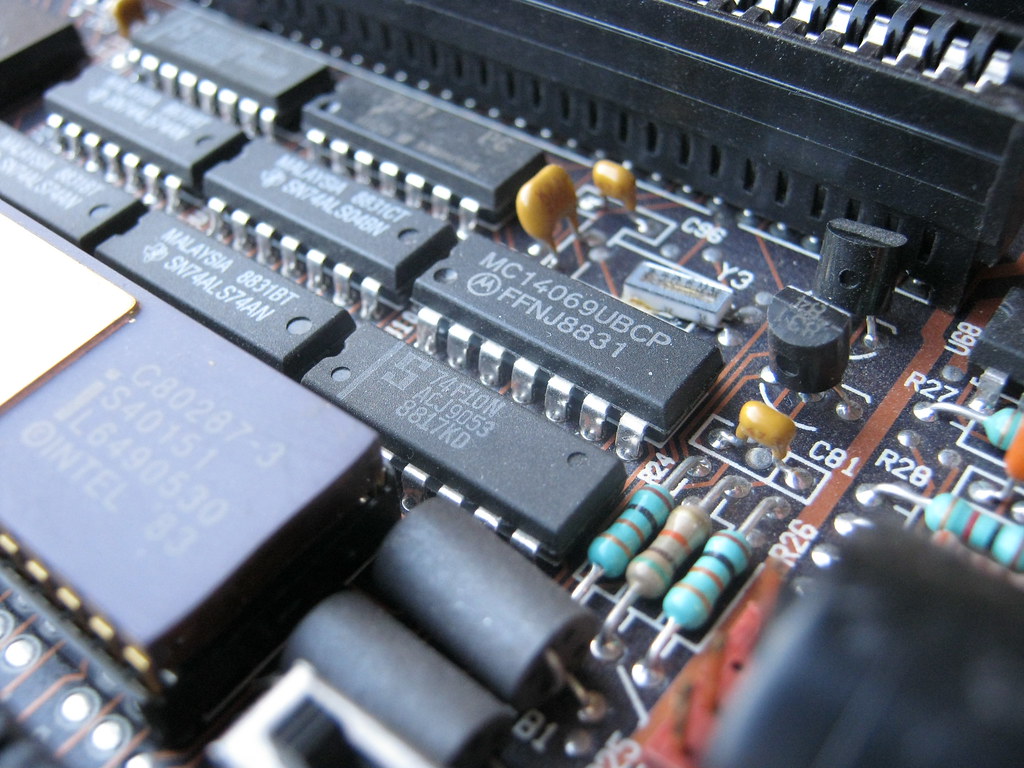
This is possible because industrial PCs use specialized components built to last, using materials that can withstand extreme conditions and designs that ensure that critical components are well protected. For example, many industrial PCs are fanless, so you don’t have to worry about dust, debris, and other pollutants entering the system and damaging vital components.
Another significant difference is that industrial PCs are designed to support legacy technologies commonly found in factories and other industrial settings, such as serial ports, COM, M12 connectors, DIO, GPIO, and more. This is critical because many industrial machines still run on older systems, and you need an industrial PC that can handle these legacy technologies while supporting modern architectures.
Overall, while regular PCs may be cheaper and more widely available, they cannot match industrial PCs’ performance, robustness, and versatility. If you’re looking to operate in a demanding industrial setting, then an industrial PC is the way to go; it will keep up with the rigors of the workplace and ensure that your systems keep running smoothly.
Neither are PLCs
When it comes to programmable logic controllers, there are quite a few different types. Each type is specifically designed for specific applications and varies in terms of the components it utilizes. Let’s take a closer look at some of the most common types of PLCs and their uses.
First up, we have the compact PLC. As its name suggests, this type of PLC is smaller and often used in applications where space is limited. Compact PLCs typically use fewer I/O (input/output) modules and have a smaller memory capacity, making them ideal for simple automation tasks.
Next on the list is the modular PLC, which consists of a base unit or rack that can be expanded with additional modules as needed. This type of PLC is often used in larger applications where multiple I/O points are required. The modular PLC is also known for its flexibility and scalability, making it a popular choice for automation processes that grow and change over time.
Another type of PLC is the brick PLC, which is smaller than both compact and modular PLCs. Brick PLCs are often used in applications requiring low-cost solutions, such as small machines or simple control systems.
Finally, the rack-mounted PLC is typically used in larger automation systems. This type of PLC is designed for high-speed applications and can support many I/O points. Rack-mounted PLCs are often used in applications such as automotive production lines or large-scale manufacturing operations.
The components used in these different types of PLCs can vary depending on the specific model and application. However, some standard components include the CPU (central processing unit), power supply, I/O modules, and communication modules.
Now that we have our foundation set let’s throw these two systems at each other in a head-to-head comparison in different categories, such as setup, build, maintenance and security, expandability, operations, and cost.
The Setup
Setting up a control system can be a challenging task, whether it’s a PLC-based system or a PC-based system. Often, it requires a team of skilled engineers and IT professionals to ensure the system is set up correctly and functioning as intended.
PLC-based control systems are typically easier to set up than PC-based systems, especially when the automated process is relatively simple. Programming languages for PLCs, such as ladder logic, are easier to learn than more complex programming languages like C++ or Visual Basic. Additionally, the hardware required to set up a PLC-based control system is more standardized and more accessible to configure than a PC-based system.
On the other hand, setting up a PC-based control system can be more complex and require more specialized knowledge. However, PC-based control systems have the advantage of using common operating systems like Windows, which makes them easier to integrate with existing IT infrastructure.
Build
When comparing the builds of industrial PCs and PLCs, it’s important to note that both are designed to withstand harsh industrial conditions like those found on factory floors. However, there are a few key differences to consider.
First, industrial PCs and PLCs are IEC60068 certified, which means they can handle shock and vibration without any issues. This is crucial in an industrial setting where heavy machinery can cause a lot of both.
Secondly, industrial PCs are fanless, meaning they don’t have any fans to circulate air around the system. This is great because it eliminates the possibility of particles getting lodged in the system, which could cause problems over time. Additionally, some industrial PCs are rated for extreme temperatures, essential in an industrial setting where temperatures fluctuate wildly.
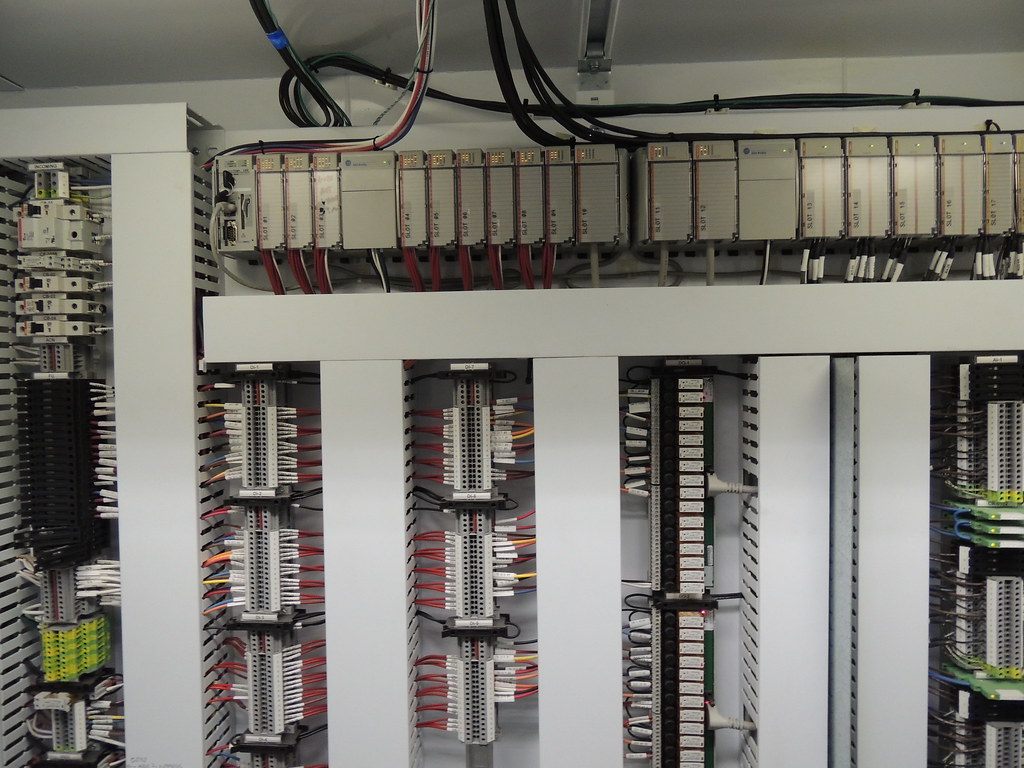
Finally, it’s worth noting that while both industrial PCs and PLCs are customizable, industrial PCs are generally more flexible regarding modern and legacy equipment. This is because they can be mounted on a din rail or a rack mount, depending on the user’s needs. On the other hand, PLCs can be pretty bulky and may only be compatible with some types of mounting options.
Overall, it’s clear that both industrial PCs and PLCs have similar builds in terms of their ability to operate in harsh industrial conditions. However, industrial PCs have a few key advantages when it comes to size and customization options, making them an excellent choice for users who need flexibility and versatility in their industrial computing solutions.
Maintenance and Security
Maintenance and security are significant concerns regarding control systems in industrial applications. The maintenance requirements for PLC-based systems are typically lower than those of PC-based systems. PLCs are designed to be more rugged and can withstand harsh industrial environments. They also have fewer moving parts and typically don’t require regular updates or patches.
However, security is a significant concern when it comes to PLC-based control systems. Because they are typically stand-alone systems, they are more vulnerable to cyber-attacks. Many companies limit access to their control systems to mitigate this risk and ensure that all systems are regularly updated and patched.
PC-based control systems are more vulnerable to malware and other security threats due to their connection to the internet and the use of more complex software applications. As a result, they require more frequent updates and regular maintenance.
Expand-ability
When it comes to expansion capabilities, there are some critical differences between industrial PCs and PLCs. PLCs are primarily designed to handle specific inputs and outputs, with the number and types of communication protocols they support relatively fixed. While they may feature multiple COM ports and other I/O capabilities, they typically have limited expansion capabilities beyond what is built in.
On the other hand, industrial PCs are much more versatile in terms of expansion. They are built with expansion slots that can allow for adding more I/O modules or other peripherals, making them better suited for handling a wider variety of tasks. Additionally, they feature various COM ports, LAN, USB, and HDMI ports, which can be used to connect to different devices and expand their functionality even further.
In addition, industrial PCs can support a wide range of expansions beyond just traditional hardware. They can accommodate wireless cards, 5G modules, SSD storage, and GPU accelerators, allowing them to handle more complex workloads and stay up to date with new technologies as they emerge.
Overall, while PLCs are designed for specific functions and may be more limited in terms of their expansion capabilities, industrial PCs are designed to be more versatile and expandable, with a wider range of peripheral and technology options available to them. An industrial PC may be the more suitable choice for businesses looking for flexibility in their industrial computing needs.
Operations
Regarding automation and control solutions, Industrial PCs and Programmable Logic Controllers are significant players; however, there are distinct differences in how they operate.
PLCs operate using a dedicated real-time operating system specifically designed for control tasks. This operating system monitors input from connected devices and executes decision commands according to its program. As a result, a PLC does not require antivirus programs or registry cleaners, which can increase its processing throughput during operations.
In contrast, IPCs are designed to perform many of the same control tasks as PLCs. Still, their operating system enables them to run various applications and programs unavailable for PLCs. This means that IPCs can perform more than just control purposes and consolidate workloads, reducing their hardware footprint. Unfortunately, IPCs are also more susceptible to cyberattacks due to their operating system. However, current antivirus software and firewalls are advanced enough to mitigate this risk.
Another major difference between the two systems is their design. PLCs are typically used for controlling industrial processes, while IPCs can be used for a wide range of applications, including industrial automation, data analysis, and visualization. This makes IPCs more flexible for certain applications but also requires more powerful hardware and software to operate efficiently.
Finally, PLCs are generally considered more reliable than IPCs due to their dedicated operating system and hardware design. This makes them popular for safety-critical applications such as safety interlocks and emergency shutdowns.
Cost
Industrial PCs and Programmable Logic Controllers have long been the go-to solutions for automation and control problems in industrial settings. While both solutions aim to enhance productivity, safety, and reliability, their cost-effectiveness varies significantly depending on the application requirements.
At the outset, PLCs offer a low-cost solution for small and simple applications. However, as the application’s sophistication increases, so does the cost of the PLC due to its limited processing power. In contrast, industrial PCs have a higher initial cost but offer greater computational power. They can process demanding calculations and network loads more efficiently, making them more cost-effective over time.
One primary consideration when comparing the cost of industrial PCs and PLCs is their expand-ability. PLCs support standard industrial equipment and have built-in input/output modules, making them cost-effective for expandable solutions. However, industrial PCs are the more appropriate solution when an application requires sophisticated external controls or many inputs and outputs. PCs can integrate with a broad range of compatible peripherals, enabling a more flexible and scalable solution, albeit at a higher initial cost.
The ruggedness of the equipment is also a crucial aspect to consider in the cost comparison. PLCs do not require significant amounts of protection equipment to shield them from harsh environmental effects, while some industrial PCs may require protective equipment depending on the environment they will be installed in, thus increasing the cost of the system. The cost associated with acquiring protective equipment for industrial PCs can add up, increasing the initial and maintenance costs of the system.
Conclusion
So, there you have it – the ultimate showdown between industrial PC-based systems and PLCs. While both have pros and cons, it’s important to look at what each controller can offer before deciding on your automation system.
A PLC system is a fantastic way to go if you’re looking for a cost-effective and secure solution for a simple manufacturing process. These rugged devices are built for industrial deployments, and their strict set of functions makes them a reliable option for smaller operations.
However, an industrial PC may be the better choice if you need a controller that can handle more complex tasks and offer greater versatility. These systems have a lower total cost of ownership for high-demand computing and storage, and they can provide the power and flexibility needed for more significant manufacturing processes.
So, can you use both PLCs and industrial PCs in one system? The answer is yes! By combining the two, you can create a hybrid manufacturing process that balances the costs and benefits of each type of controller.
At the end of the day, the decision between PLCs and industrial PCs comes down to what functions are needed in your manufacturing process. Whether you choose one or the other or a combination of both, there’s no doubt that the suitable controller can help you take your automation system to the next level.
DO Supply Inc. makes no representations as to the completeness, validity, correctness, suitability, or accuracy of any information on this website and will not be liable for any delays, omissions, or errors in this information or any losses, injuries, or damages arising from its display or use. All the information on this website is provided on an "as-is" basis. It is the reader's responsibility to verify their own facts.