Is Soft Starter or Variable Frequency Drive Right for You?
As industrial automation specialists, are you debating if a variable frequency drive (VFD) or a soft starter is best for your process? In modern times, technological advancements have made automation more efficient and cost-effective. You can reduce costs while improving safety and quality with the right choice of motor control products like a soft starter or VFD drives. Having an understanding of their differences will help you choose which one is right for your application. This blog post seeks to explain what each technology means and how it can help streamline current processes in the industry. Read on as we explore this topic and provide insight into where these technologies fit within modern applications.
Overview of Soft Starter and Variable Frequency Drive
Soft starters and variable frequency drives (VFDs) are two popular technologies used to control electric motors. Both technologies offer better control of motor starting circuits to reduce the stress on mechanical components, minimize torque surges, and lower electricity consumption. A soft starter is an electronic device that reduces the torque applied to the motor during startup. It does this by gradually increasing the voltage and current supplied to the motor. This feature helps to avoid damage to the motor, coupling, and driven machinery, and provides better control during the ramp-up of the motor. Furthermore, a soft starter reduces the energy required to start up the motor, which lowers the energy costs associated with motor starting.
In contrast, a VFD provides even more advanced features for motor control, including precise speed control, soft start/stop, and overload protection. A VFD works by changing the frequency and voltage of the electrical power supplied to the motor. This feature allows for better control of the motor’s speed and torque while allowing the motor to run at variable rates. VFDs are commonly used in applications requiring precise motor control, such as in HVAC systems, pumps, and conveyor belts. By precisely controlling the speed, a VFD can reduce energy consumption by up to 50 percent while also increasing the motor’s life.
Overall, both soft starters and variable frequency drives have significant advantages over traditional motor control methods. They offer better control of the motor, improved efficiency, reduced maintenance costs, lower energy consumption, and increased equipment lifespan. Therefore, it is recommended that all industries, businesses, and applications should consider the use of these advanced motor control devices.
Benefits of Using a Variable Frequency Drive
The benefits of using variable frequency drives (VFDs) in industrial automation settings are vast. Regarding controlling motor speed, VFDs offer unparalleled flexibility, accuracy, and energy efficiency. VFDs can optimize processes, reduce energy consumption, and lower operating costs by providing precise control over motor speed and torque.
One of the most significant benefits of VFDs is their ability to save energy. VFDs can reduce energy usage by up to 50% in some applications by controlling motor speed and avoiding wasteful energy consumption. This means that industrial facilities that install VFDs experience significant reductions in energy usage, resulting in cost savings and environmental benefits.
Another benefit of VFDs is their capacity for real-time monitoring and adjustment. Advanced technology allows for constant feedback and analysis of motor activity, allowing for fine-tuning and optimization of processes. For example, VFDs can adjust motor speed based on load demands, reducing wear and tear and extending the life of the equipment. VFDs can help ensure that conveyors and pumps are running at the correct speed, helping to prevent material spills or equipment damage. This is particularly valuable in complex manufacturing environments where even minor equipment performance variations can significantly affect processes and products.
VFDs also offer improved safety and reliability. VFDs can reduce equipment stress and prevent dangerous torque spikes by providing controlled, gradual acceleration and deceleration. Additionally, VFDs can detect and respond to malfunctions and faults in real time, preventing costly downtime and ensuring consistent operation.
In summary, VFDs are a critical tool in any industrial automation setting. They can optimize processes, reduce energy consumption, and improve safety and reliability by offering precise control over motor speed.
Benefits of Using a Soft Starter
Using a soft starter in an industrial automation setting can significantly benefit many different types of equipment. For example, this technology can help reduce the stresses on electrical and mechanical components during startup, leading to longer lifetimes and lower maintenance costs by reducing the voltage applied to motors during startup, limiting power surges, and reducing the amount of electricity drawn from the grid.
One of the latest soft starter technologies on the market is the Siemens Sirius 3RW55 Failsafe. This drive incorporates several advanced features, such as motor load monitoring and trip-free operation, which can help improve system reliability and overall safety. The 3RW55 Failsafe can also be integrated with other industrial automation systems using various communication interfaces, including Ethernet, Profibus, and Modbus.
Another excellent example of a soft starter technology is the ABB PU range. This line of drives uses an innovative control algorithm to provide ultra-smooth acceleration and deceleration, which can help reduce mechanical wear and tear on equipment. These soft starters are also equipped with various advanced protection features, such as thermal overload protection and short circuit detection, which can help prevent damage to motors and other components. With a compact and modular design, the PU range is also easy to install and configure, making it an excellent choice for many industrial applications.
The benefits of using a soft starter in an industrial automation setting are clear. From improving system performance and reducing energy costs to enhancing overall reliability and safety, many compelling reasons exist to consider this technology for your next project. With a range of advanced features and capabilities now available on the market, it has never been easier to incorporate soft starter drives into your industrial automation systems.
How to Implement a VFD or Soft Starter in Your System
Implementing variable frequency drives (VFDs) and soft starters in an industrial automation workplace is crucial to optimizing energy efficiency and improving overall system performance. These drives help regulate the speed and torque of motors, which can lead to significant energy savings, reduced maintenance costs, and increased productivity. When it comes to implementing VFDs and soft starters, there are several key factors to consider. Here’s a step-by-step guide to help you get started:
Step 1: Identify your motor requirements:
The first step in implementing a VFD or soft starter is identifying the motor’s requirements. This includes its power rating, speed range, and torque requirements. Choosing the right drive that matches your motor’s requirements is essential to ensure efficient and smooth performance.
Step 2: Select the right drive for the job:
Once you have detailed information about your motor, the next step is to choose the correct drive/soft starter. VFDs are suitable for applications where the load requirements fluctuate, such as fans or pumps. Soft starters are ideal for applications with high inrush currents, such as compressors or conveyors. Make sure to choose the proper drive based on your application requirements.
Step 3: Install the drive:
Installation of the device should be done by authorized personnel and should follow the manufacturer’s instructions. Each VFD or soft starter has different installation instructions depending on the brand and manufacturer. Also, ensure that the electrical connections are correctly made and that there is an appropriate environment for the drive/soft starter.
Step 4: Set up the drive:
After the installation, configure your device according to the required application. Most VFDs come with factory settings that can be altered to match your specific job requirements. Some advanced VFDs have features such as auto-tuning, which detects the motor characteristics and automatically configures the drive.
Step 5: Test and commission the system:
Finally, after the setup, test and commission your system to ensure reliable operation and ensure that it performs according to design specifications. Check that safety precautions have been implemented and that the drive operates correctly.
In addition, it’s essential to stay up-to-date on the latest technologies and best practices in the industry. Attend conferences, read industry publications, talk to other professionals to stay informed, and check out the rest of our blogs for more relevant information.
In conclusion, implementing VFDs and soft starters can make a significant impact on your industry automation systems’ efficiency and productivity. Follow the steps outlined in this guide, and you will be able to operate your systems with the utmost effectiveness and reliability. Remember that drive technology is constantly evolving, so it’s always best to keep updated with the latest advances in the field and apply them if they are suitable for your applications.
General Pros and Cons of Installing a Soft Starter or VFD
Soft Starter Pros:
1. Reduced Voltage and Motor Stress:
Soft starters gradually accelerate the motor and reduce the initial inrush current. This reduces the voltage drop and expands the lifespan of the motor.
2. Simple to Install and Use:
Soft starters provide a straightforward installation process with minimal wiring and programming. They require little maintenance and are user-friendly.
3. Cost-Effective Solution:
Soft starters are a cost-effective alternative to VFDs as they require less startup investment. They provide the necessary torque to start the engine without significant voltage spikes, making them an ideal choice for applications with a high flow rate.
Soft Starter Cons:
1. Reduced Motor Control:
Soft starters provide limited motor control, limiting the speed to a specific range. They are unsuitable for applications requiring continuous speed changes, such as conveyor belts.
2. Limited Energy Savings:
While soft starters can reduce energy costs, they have limited energy savings potential compared to VFDs.
3. Limited Performance Data:
Soft starters cannot provide real-time data for performance assessment, limiting the ability to identify and mitigate faults quickly.
VFD Pros:
1. Precise Speed Control:
VFDs provide the most optimal and precise speed control, allowing for acceleration and deceleration under varying loads, within moments, and with maximal energy efficiency.
2. Maximum Energy Savings:
VFDs can save up to 50% of the energy compared to soft starters, proving to be a much better long-term investment.
3. Increased Motor Control:
VFDs provide comprehensive motor control, and with the addition of fieldbus communication, they can also provide real-time data for performance assessment.
VFD Cons:
1. Complex Installation and Use:
FDs require professional installation, programming, and wiring. It is also more complicated to operate with a steeper learning curve, especially for those not technically inclined.
2. Higher Initial Investment:
VFDs require a higher level of initial investment compared to soft starters. It is a cost-effective investment for those who require higher energy savings in the long run.
3. Increased Harmonic Disturbance:
Due to the high switching frequency, VFDs can create unwanted harmonic currents that can impact other equipment and cause power quality issues.
In conclusion, both soft starters and VFDs are excellent options for reducing energy costs and increasing efficiency. Soft starters are a cost-effective, user-friendly solution for applications that require straightforward motor control and minimal speed changes. VFDs are more complex to install and use, but they provide the most optimal speed control with maximum energy savings and more comprehensive motor control. In summary, the choice between soft starters and VFDs depends on the specific application, budget, and long-term goals.
What Brands to Consider
When choosing the suitable soft starters and variable frequency drives for your application, a plethora of options is available in the market. To narrow your search, we’ve compiled a list of top brands and models you should consider.
First and foremost, let’s talk about Allen Bradley products. Allen Bradley is a well-known brand in the automation industry, and their soft starters and VFDs are among the best on the market. Their SMC Flex soft starter and PowerFlex 755 variable frequency drive are two products that stand out from the competition.
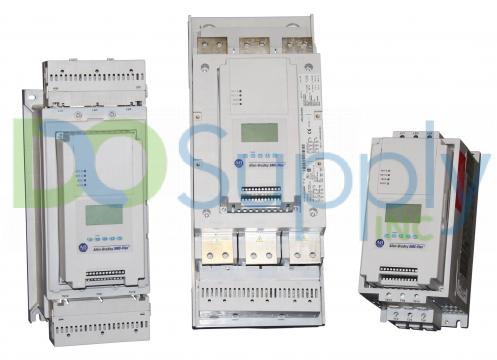
The SMC Flex soft starter boasts a compact design and can control motors up to 1000 hp. It features support for modules with a wide range of communication options, including Ethernet, DeviceNet, and Profibus. Plus, it has built-in overload protection, power monitoring, and diagnostics capabilities.
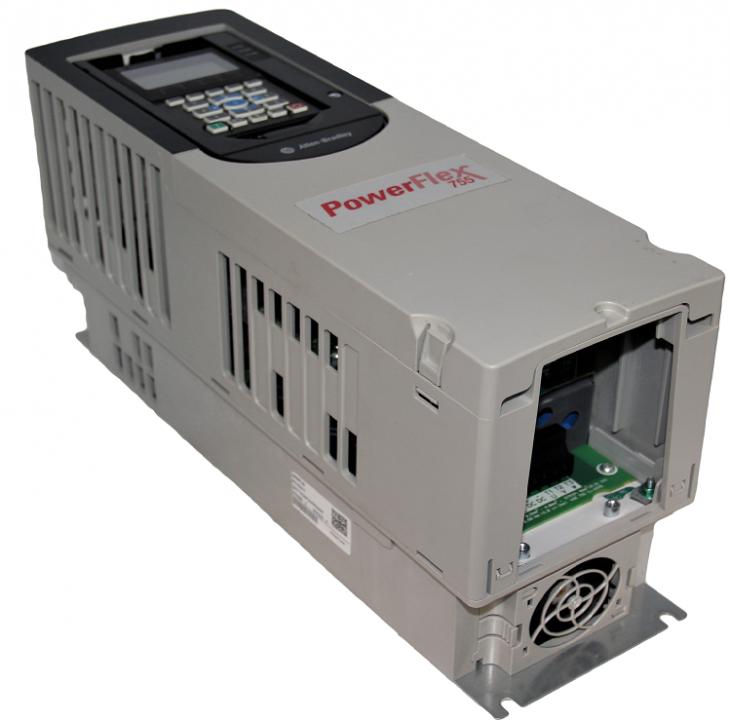
On the other hand, the PowerFlex 755 VFD is ideal for heavy-duty applications and can control motors up to 2500 hp. It comes with an easy-to-use programming tool that simplifies the setup process, and its modular design allows for easy maintenance and upgrades. Additionally, it has a wide range of safety features, including safe torque-off and SIL3/PLe safety certifications.
Another top contender in the variable frequency drive market is Schneider Electric’s Altivar series. These drives offer advanced features, including harmonic mitigation and energy-saving modes, that can help you reduce energy consumption and lower operating costs. They are also designed modular, making them easy to install and customize to your needs.
One more brand worth considering is ABB. Their ACS355 VFD and PSTX soft starter are two models that have garnered positive user reviews.
The ACS355 VFD is a compact and versatile drive that can control motors up to 30 hp. It features a built-in control panel and a range of communication options, including Profibus and Modbus. It also has a built-in energy-saving function that helps reduce energy consumption.
The PSTX soft starter, on the other hand, is designed for applications that require high starting torque. It can control motors up to 1250 hp with its largest model and features an advanced control system that ensures a smooth and reliable start. It also has a wide range of communication options, including Ethernet, Profibus, and DeviceNet.
Finally, we have the Danfoss FC Series VFD and Eaton S611 soft starter, two models worth considering.
The Danfoss FC Series VFD is a popular choice for industrial applications and is available in a power range from 0.25kW to 1.4MW. It features a compact design and a range of communication options, including Ethernet and Modbus. It also has a built-in energy-saving function and a built-in brake chopper for dynamic braking.
The Eaton S611 soft starter is another ideal model for heavy-duty applications. It can regulate up to 200A and features a versatile design that allows for easy integration with other automation systems. It also has various safety features, including overload protection and phase-loss detection.
In summary, there are many great brands and models of soft starters and VFDs to choose from. Allen Bradley, ABB, Danfoss, and Eaton are just a few of the top brands worth considering. When selecting a soft starter or VFD, it’s essential to consider factors such as the application requirements, motor specifications, and communication options. You can achieve better control, efficiency, and reliability in your application with the right choice.
Final Thoughts
When deciding between a soft starter and a VFD, it all boils down to the requirements of the system and the motor itself. It can be easy to get lost in all the different options and brands, but h this guide aims to simplify it enough to make your decision.
DO Supply Inc. makes no representations as to the completeness, validity, correctness, suitability, or accuracy of any information on this website and will not be liable for any delays, omissions, or errors in this information or any losses, injuries, or damages arising from its display or use. All the information on this website is provided on an "as-is" basis. It is the reader's responsibility to verify their own facts.