Turning the Tables with AC Drives: A Spin on Traditional Manufacturing
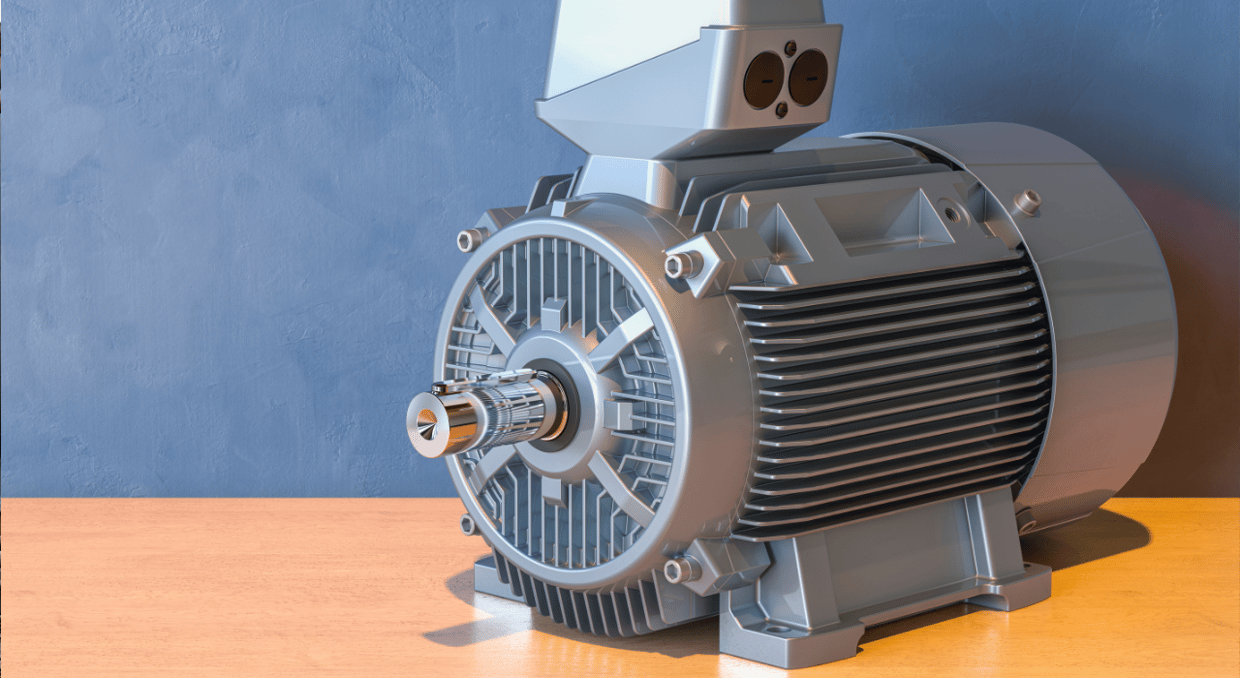
AC drives are essential components of industrial automation processes, especially when precise motor speed control is required. All modern electric trains or locomotive systems rely on AC drives for power. Robotics represents another significant domain where AC drives provide accurate speed and position control.
An AC drive, also known as an adjustable frequency drive, is an advanced electronic device used to regulate the speed of an electric motor by changing the frequency and voltage of the electricity supplied to it. The primary function of an AC drive is to dynamically adjust the motor’s speed to match the workload, optimizing process control and conserving energy. This capability allows for precise modulation of motor speed in response to varying operational requirements, improving efficiency and reducing energy consumption. By effectively aligning motor speed with the application’s demands, AC drives contribute to enhanced productivity and operational flexibility while extending the lifespan of equipment.
Working of AC Drive
The AC drive comprises three primary components: the rectifier, the DC bus, and the inverter. The rectifier transforms incoming AC power into DC power, stored in the DC bus. Following this, the inverter converts the DC power back into AC power, allowing for adjustments in frequency and voltage to regulate the motor’s speed precisely. AC drives are available in a diverse range of sizes and power ratings, depending upon various applications. From compact drives capable of controlling the speed of fans or pumps in buildings to larger units used to regulate the speed of heavy-duty machinery in industrial settings, a wide spectrum of options exist to suit different requirements.
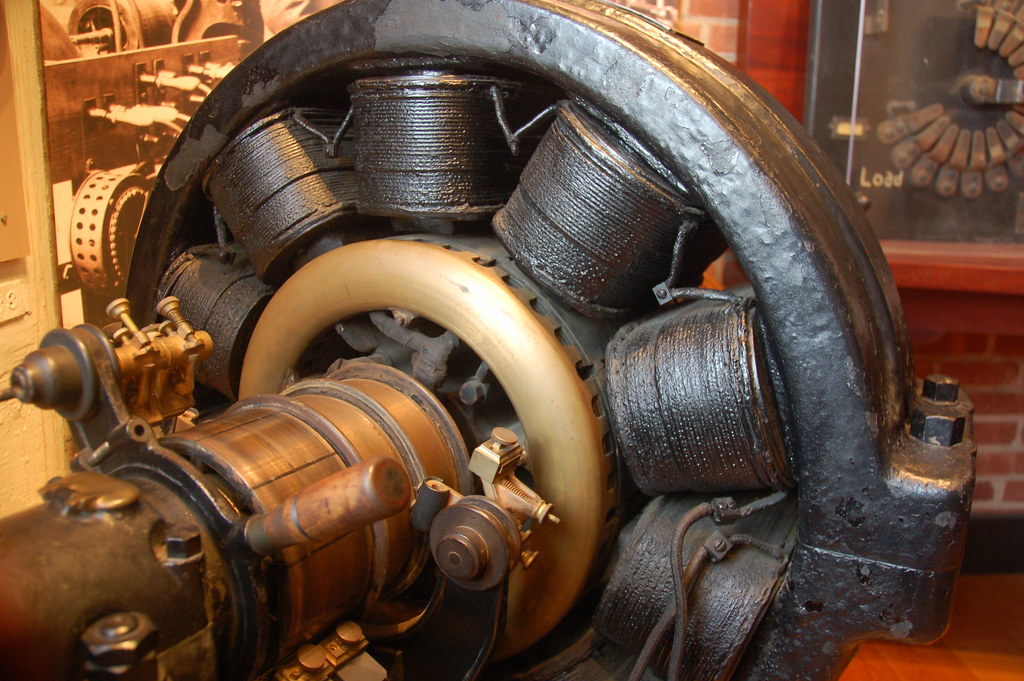
AC drives are essential components within modern manufacturing processes. They enhance efficiency, productivity, and overall performance in several ways. In this article, we explore how AC drives contribute to modern manufacturing.
Energy Efficiency
In manufacturing setups, energy efficiency is crucial in both cost management and environmental aspects. By allowing precise control of motor speed, AC drives enable industries to match the speed of motors with the specific requirements of their manufacturing processes. This level of control ensures that motors operate at optimal speeds, avoiding unnecessary energy consumption associated with running motors at full speed when not required. The adoption of AC drives contributes to environmental sustainability by reducing carbon emissions and resource depletion associated with energy-intensive manufacturing processes. By minimizing energy wastage, industries can minimize their environmental impact and align with global sustainability goals.
Efficient Process Control
Industrial processes ranging from automotive manufacturing to food processing have seen the use of AC drives transform operational efficiency and control, effectively displacing traditional manufacturing practices.
In the automotive industry, precision and consistency are critical. With AC drives controlling conveyor belts, robotic arms, and assembly line equipment, manufacturers can fine-tune motor speeds to match the pace of production. This level of control ensures smooth coordination between different stages of assembly, leading to improved product quality, reduced waste, and enhanced output. Similarly, in the food and beverage industry, where stringent hygiene standards and product consistency are essential, AC drives play a vital role in regulating the speed of pumps, mixers, and packaging machinery. By precisely adjusting motor speeds, manufacturers can maintain optimal process conditions, ensuring uniform mixing, accurate dosing, and timely packaging. This not only enhances product quality but also reduces downtime and waste, resulting in significant cost savings.
The Impact of AC Drives on Equipment Reliability
In industries such as steel manufacturing and paper processing, where heavy machinery operates under demanding conditions, adopting AC drives has played a pivotal role in modernizing manufacturing processes and enhancing equipment reliability. Consider the steel industry, where rolling mills and conveyor systems are integral to production. In the past, traditional methods of controlling motor speed, such as mechanical gears, were prone to wear and tear, leading to frequent breakdowns and costly maintenance. However, with the implementation of AC drives, manufacturers can now achieve precise control over motor speed without subjecting equipment to excessive mechanical stress. This has resulted in increased equipment reliability, reduced downtime, and improved production efficiency, ultimately driving modernization within the industry. Similarly, machinery reliability is necessary in the paper processing industry, where continuous operation is essential for meeting production targets. AC drives offer a smoother and more efficient way of controlling motor speed than traditional methods like throttling valves. By minimizing wear and tear on mechanical components, AC drives help extend the lifespan of equipment and reduce the frequency of unplanned downtime. This improves overall equipment reliability and enhances productivity and cost-effectiveness, thus contributing to the modernization of manufacturing processes in the paper industry.
Regenerative Braking with AC Drives
The automotive manufacturing and material handling have witnessed significant advancements in efficiency and sustainability with the integration of regenerative braking techniques facilitated by AC drives, leading to the modernization of manufacturing practices. In automotive manufacturing, where efficiency and environmental sustainability are essential, regenerative braking systems enabled by AC drives have revolutionized energy management in electric vehicles (EVs). As vehicles decelerate, regenerative braking captures kinetic energy and converts it back into electrical energy, which can then be stored in the vehicle’s battery or used to power auxiliary systems. This extends the driving range of EVs and reduces the reliance on conventional braking systems, leading to reduced wear and tear on brake components and lower maintenance costs. Adopting regenerative braking has thus played a crucial role in modernizing automotive manufacturing by improving vehicle efficiency and sustainability.
IoT and Industry 4.0 Integration
Industries spanning automotive, pharmaceuticals and consumer electronics are witnessing a profound transformation in manufacturing processes by integrating AC drives with the Internet of Things (IoT) and Industry 4.0 technologies. This integration is reshaping the landscape of modern manufacturing by enabling real-time monitoring, data analysis, and predictive maintenance. In automotive manufacturing, for instance, integrating AC drives with IoT sensors and Industry 4.0 platforms enables manufacturers to monitor equipment performance, such as robotic arms and conveyor systems, in real-time. Automotive plants can anticipate maintenance needs and optimize production schedules by analyzing data on motor speed and energy consumption, leading to increased efficiency and reduced downtime.
Similarly, in the pharmaceutical industry, stringent regulatory requirements necessitate precise control over manufacturing processes. Integrating AC drives with IoT and Industry 4.0 technologies enhances process visibility and control by continuously monitoring variables like temperature, pressure, and agitation speed in manufacturing equipment. This ensures compliance with regulatory guidelines and maintains product quality consistency, modernizing manufacturing operations. In the consumer electronics sector, rapid technological advancements require agile manufacturing processes. AC drives integrated with IoT and Industry 4.0 enable real-time monitoring of production lines, allowing manufacturers to identify bottlenecks and implement corrective actions swiftly. This advanced approach enhances flexibility, responsiveness, and customization capabilities, driving modernization and competitiveness in consumer electronics manufacturing.
Diagnostic Capabilities in AC Drives
The aerospace manufacturing setups are experiencing a significant enhancement in manufacturing efficiency by integrating diagnostic capabilities in modern AC drives. This proactive approach to maintenance is revolutionizing manufacturing operations by providing real-time monitoring of motor performance and system health. In the aerospace industry, where precision and reliability are vital, the diagnostic features in AC drives play a crucial role in ensuring the optimal performance of machinery such as CNC machines and robotic arms. Manufacturers can proactively address potential issues by continuously monitoring motor performance and detecting anomalies in real time, minimizing the risk of equipment failure and costly downtime. This maintenance approach enhances operational efficiency and safety, contributing to the modernization of aerospace manufacturing processes.
Real World Applications
Transforming Long Conveyor Systems
Long conveyors play a critical role in industries such as Mining, Cement, Ports, and Power, facilitating the efficient transportation of materials over extensive distances. Traditionally, slip ring motors or fluid couplings were utilized to power these conveyor systems. However, due to their high operation and maintenance costs, AC induction motors have emerged as the preferred choice in recent times. AC drives are now employed to optimize the operation of long conveyors, offering controlled start-up and load-sharing capabilities. This integration of AC drives represents a significant shift from traditional methods, enabling precise control over conveyor speed to match operational requirements. Using AC drives, long conveyors can transport materials over several kilometers with enhanced efficiency and reliability. This technology reduces mechanical stress on conveyor components through controlled acceleration and deceleration, resulting in prolonged equipment lifespan. AC drives offer significantly lower losses compared to fluid couplings, leading to cost savings and improved energy efficiency. With multiple coordinated motors driven by AC drives, long conveyor systems achieve high reliability and operational stability, minimizing the risk of downtime and production disruptions. In industries such as cement manufacturing, the adoption of AC drives in long conveyor systems exemplifies how modern technology can revolutionize traditional manufacturing processes, offering enhanced performance, efficiency, and sustainability in material handling operations.
Modernizing Cement Kilns
In the domain of cement production, the operation of kiln motors traditionally relied on DC drives, primarily due to their high starting torque. However, the associated drawbacks have prompted a paradigm shift, including high operation and maintenance costs, carbon dust emissions, and electrical system issues like poor power factor and harmonics. The introduction of Medium Voltage (MV) drive technology has ushered in a new era, replacing conventional DC drives with AC MV drives to address these challenges effectively. The transition entails several innovative approaches, including adopting twin motors instead of a single one, thereby reducing mechanical stress on the kiln system. Replacing high-rating DC motors (>1000Hp) with two smaller AC motors capable of meeting or exceeding torque requirements has been pivotal. Moreover, MV drives enable seamless load sharing between twin motors and precise speed control.
The implementation of AC drives brings a variety of benefits. Firstly, it enhances electrical system stability by reducing in-rush current, improving power factor, and diminishing harmonics, consequently leading to better asset utilization and prolonged lifespan. Furthermore, this transition reduces reliance on power system components such as transformers, breakers, and HT capacitors, streamlining operations and reducing costs. Lastly, the lower maintenance requirements associated with AC drives contribute to overall cost savings and operational efficiency. The advancements in drive technology have enabled networking features, facilitating smooth integration with plant Distributed Control Systems (DCS) across various networking protocols. This enhanced connectivity streamlines configuration and troubleshooting on the network, fostering operational efficiency and paving the way for further advancements in the cement industry. The shift to AC drives in cement kilns represents a significant stride towards modernization, optimizing performance, and promoting sustainability in cement production.
Enhancing Efficiency in Oil & Gas Pipelines
Oil and gas pipelines serve as vital conduits for transporting petroleum products from refineries to demand areas and crude oil from sources to inland refineries. To ensure the smooth flow of products over extensive distances, strategically positioned pumping stations are essential along these pipelines. Centrifugal pumps, commonly employed at these stations, offer significant potential for energy savings, as the application often does not necessitate 100% flow. To optimize performance and energy usage, adopting AC drive-based solutions has become increasingly prevalent in this sector. Adopting Medium Voltage (MV) AC drive technology signifies a shift from traditional Direct Current (DC) drive systems. This transition addresses the limitations associated with DC drives, thereby enhancing operational efficiency and performance. A novel approach involves utilizing MV AC drives instead of Low Voltage (LV) AC drives, along with Step-down and Step-up Transformers, in what was previously known as the Hi-Lo-Hi solution. Coordinated drive operation enables the control of multiple pumps using a single AC drive, thereby optimizing flow and energy utilization. The ability to perform synchronous changeover to mains and back to inverter mode enhances system reliability and flexibility.
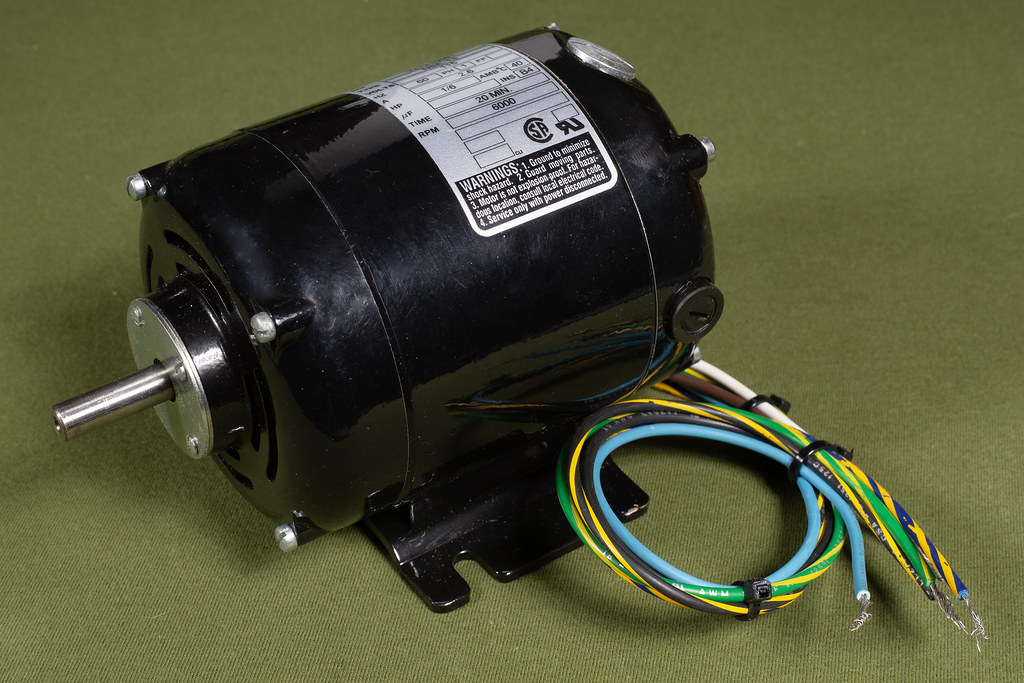
The adoption of MV AC drive-based solutions yields numerous benefits. The source transformer rating is reduced due to the elimination of full voltage start compared to Direct-On-Line (DOL) start. The MV AC drive solutions require fewer power components than the traditional Hi-Lo-Hi solution, resulting in cost savings and simplified system architecture. MV AC drives’ sinusoidal waveform and soft-start capabilities contribute to extended equipment life, reduced maintenance requirements, and seamless retrofitting, ensuring compatibility with existing infrastructure.
Conclusion
In conclusion, integrating AC drives represents a transformative shift in modern manufacturing across various industries, from automotive and aerospace to cement and oil & gas. AC drives have revolutionized energy management, process control, and equipment reliability, enhancing efficiency, productivity, and sustainability. AC drives have enabled industries to lessen environmental impact and align with global sustainability goals by providing precise control over motor speed and optimizing energy usage. The adoption of AC drives has facilitated the integration of IoT and Industry 4.0 technologies, enabling real-time monitoring, predictive maintenance, and data-driven decision-making. Moreover, applying AC drives in critical processes such as regenerative braking and material handling has further improved efficiency and reduced operational costs. The widespread adoption of AC drives underscores their vital importance in modern manufacturing, driving innovation, competitiveness, and sustainability in the industrial landscape. As industries continue to evolve, AC drives will undoubtedly remain crucial in shaping the future of manufacturing.
DO Supply Inc. makes no representations as to the completeness, validity, correctness, suitability, or accuracy of any information on this website and will not be liable for any delays, omissions, or errors in this information or any losses, injuries, or damages arising from its display or use. All the information on this website is provided on an "as-is" basis. It is the reader's responsibility to verify their own facts.