Programmable Logic Controllers continue to be the backbone of present-day industrial automation, providing deterministic, scalable, and reliable control across diverse sectors, such as chemical processing, oil & gas, pharmaceuticals, manufacturing, and water/waste treatment facilities. Originally designed to replace hard-wired relay logic systems, PLC technology has advanced into sophisticated embedded control platforms capable of handling advanced computational tasks, real-time data analytics, network communications, and predictive diagnostics. In response to the demands of digital transformation, industry 4.0 integration, and smart manufacturing, PLC manufacturers are continually developing robust PLCs with increased processing power, built-in safety options, advanced networking protocols, and integrated cybersecurity. In essence, modern PLC hardware continues to bridge the gap between industrial-grade robustness and advanced computing, taking on complex, data-intensive automation...
PLCs are the main part of industrial automation systems, providing the real‑time control required for manufacturing, process systems, infrastructure networks, and different building management systems. PLCs help in managing the automation ecosystems. Nowadays, the leading PLC brands do more than just supply simple hardware; they build full‑scale ecosystems encompassing software, communication protocols, add‑on input/output modules, cloud services, engineering software, different partner networks, and digital platforms that enhance performance, connectivity, and lifecycle value. In this technical overview, we investigate how top PLC brands create ecosystems surrounding their controllers. We analyze the functions of hardware modularity, programming platforms, communication protocols, digital twins, edge and cloud integration, cybersecurity, analytics, partner initiatives, and deployment assistance demonstrating how ecosystems facilitate scalability, optimization, and future‑proofing in...
Modernizing industrial automation requires balancing technological innovations with operational continuity. Critical infrastructure — including water treatment/waste management facilities, oil refineries, electricity-generating plants, pharmaceutical production lines, and manufacturing plants — continues to rely on legacy programmable logic controllers, often in service for 20 to 30 years. Unlike the rapid turnover and short lifetimes of consumer electronics, PLC-based industrial control systems prioritize deterministic execution, environmental and operational resilience, and structural longevity for multi-decade stability. This creates a unique engineering challenge for PLC manufacturers, who must deliver technical enhancements in processing power, connectivity, data analytics, and cybersecurity, while maintaining strict backward compatibility with decades-old PLC hardware and firmware. Industrial automation infrastructure, including PLC control systems, is inherently...
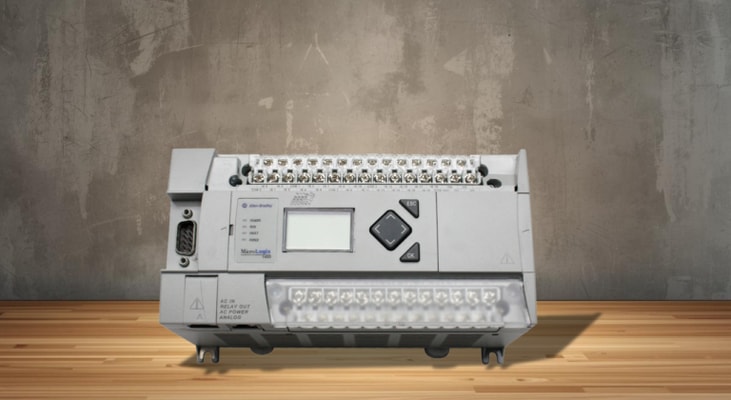
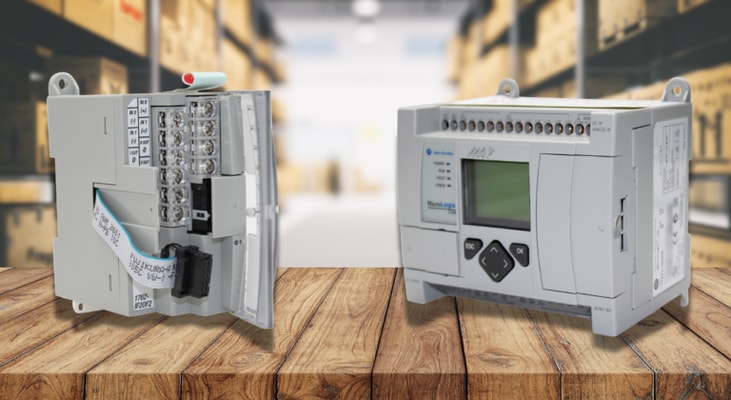
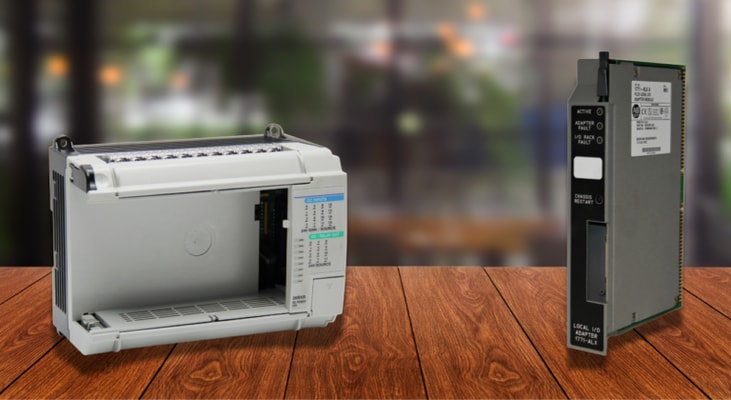
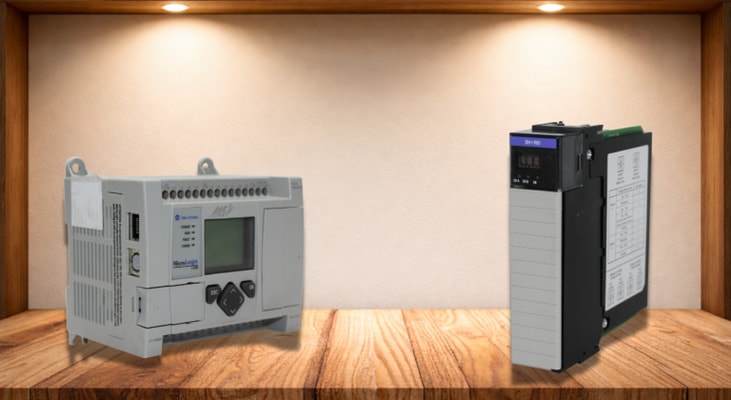
Allen-Bradley and its Logix controllers have been around since the dawn of PLCs. Today, they are found running the very factories that produce objects you use in your daily life. Each Logix family of controllers was designed to fill a role that emerged as automation adoption increased, from small-form-factor controllers to fit OEM designs to powerhouses that control hundreds of I/O points. Though going through each of them to understand what they can do or where they fit may be a daunting task, we’re here to make it as easy as possible, starting with the MicroLogix. The Allen-Bradley Micrologix PLC family occupies a very specific place in the Allen-Bradley PLC lineup. These PLCs were designed for machines and processes that demanded reliable, deterministic control, without the extra overhead and costs associated with larger platforms. The main idea is self-contained, compact control without complexity. Because of this, these controllers integrate the processor, power supply, and I/O...
Programmable logic controllers process two fundamental categories of field signals: analog inputs and digital inputs. Each signal type has distinct electrical characteristics, wiring requirements, module architecture, and failure behavior. When faults occur on either input type, the diagnostic approach differs significantly. Engineers and technicians who understand the behavior of analog vs. digital input systems are better positioned to identify faults quickly and implement corrections. This article provides a structured technical framework for troubleshooting analog input vs digital input errors in PLC systems. A digital input signal is binary in nature. The field device, such as a pushbutton, proximity sensor, limit switch, or relay contact, produces either a voltage-present or voltage-absent condition. The PLC digital input module interprets this as a logic-1 or logic-0 state. Most digital input modules operate at 24VDC. The module contains optical isolation circuitry that...
Industrial control systems used in hazardous or toxic industrial environments require significantly more rugged designs and higher environmental ratings than those used in conventional factory automation. These environments may contain corrosive vapors, conductive dust, explosive gases, high humidity, strong electrical noise (RFI/EMI), and extreme temperatures. Common examples include combustible-dust facilities, offshore oil and gas platforms, pharmaceutical synthesis plants, chlorine-based water treatment systems, fertilizer production sites, underground mines, and hydrogen processing facilities. Under such conditions, a control system malfunction is not merely a production issue but also a potential safety hazard to personnel, infrastructure, and the surrounding environment. For this reason, Programmable Logic Controllers (PLCs) deployed in hazardous facilities must meet strict environmental and international standards governing functional safety, durability, and explosion...
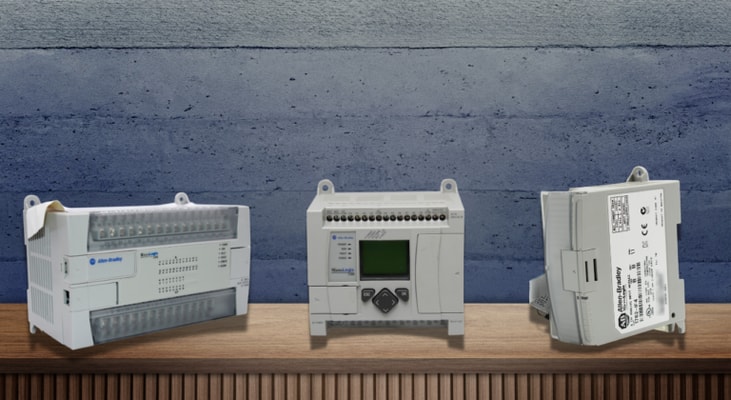
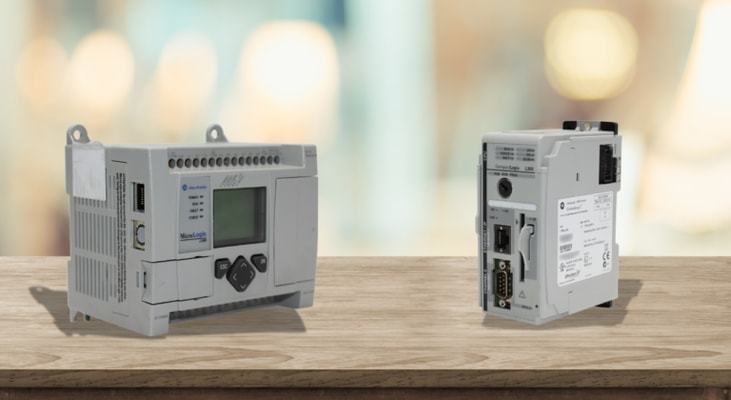
MicroLogix is a line of compact programmable logic controllers developed by Allen-Bradley, a Rockwell Automation brand. These controllers are engineered for applications that require reliable discrete and analog control within constrained panel space and limited budgets. Across industries such as packaging, HVAC, and OEM machine building, MicroLogix has established itself as a practical control solution. This article examines how MicroLogix controllers are deployed across these three application domains, covering the specific control functions they perform, the hardware features that make them suitable, and the engineering considerations that come with selecting and implementing them. The MicroLogix family includes five primary models: the 1000 , 1100 , 1200 , 1400 , and 1500 . Each model varies in I/O count, memory capacity, communication capabilities, and processing speed. The MicroLogix 1000 is the most basic, handling simple relay-replacement tasks with fixed I/O. The MicroLogix...
The MicroLogix controller series really hits that sweet spot for folks who need reliable automation in tight spaces, without blowing the budget. You’ve got five different models to pick from, each one tailored for different levels of complexity, but they all play nicely when it comes to programming. If you’re designing machines or building equipment, knowing the differences between these controllers isn’t just trivia—it shapes what you spend, how easily you can grow your system, and how much hassle you’ll deal with years down the line. Think of the MicroLogix 1000 as the no-nonsense starter in this lineup. It gives you the SLC 500 instruction set, but in a small, affordable package—perfect if you’re cranking out lots of the same machine and need solid, basic control. It’s quick on its feet, too, so it fits well in fast-moving jobs like sorting or packaging. You can get it with 10, 16, or 32 digital inputs and outputs, and some versions throw in analog I/O as well. Those models step it...
In industrial automation, Programmable Logic Controllers (PLCs) are the central processing units for calculations that require precise, error-free data transfer to support determinism. A packet not received during the data transmission of process variables is considered a serious nondeterministic event. This has consequences beyond an incident and extends through a technological chain of effects on scan cycles, control, and networks. These consequences are dependent on protocol, programming, and processes, and hence require in-depth knowledge. A PLC finds missing data via mechanisms integrated into its communication stack and application logic. Industrial networks built on standard Ethernet, such as EtherNet/IP or Profinet, have integrated sequence numbering, timestamping, or heartbeat signals into their frame structure. The PLC looks for these integrated signals, and a missing sequence or the expiry of the periodic “heartbeat” packet triggers the missing packet detection algorithm...
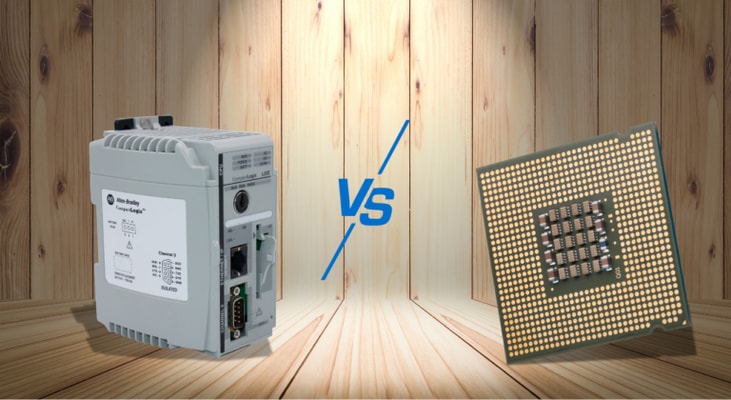
Accuracy in terminology is very critical in industrial automation. In deterministic control networks, where fault, sequence, and timing handling are verifiable and predictable, Programmable Logic controllers operate these systems. The fundamental system architecture may be obscured, as many engineers often use the processors and CPUs interchangeably. As contemporary PLCs evolve to feature visualization technologies, integrated safety, distributed intelligence, and multicore CPUs, the distinction is essential. Faults may occur in cybersecurity, task configuration, redundancy planning, system design, and procurement due to a misunderstanding of the distinction between CPU and processor. This article explores the primary differences between CPUs and Processors. Featuring technical descriptions, architectural tasks, performance factors, maintenance implications, and future shifts in industrial control networks. Engineers can determine more precise design and functional decisions by...
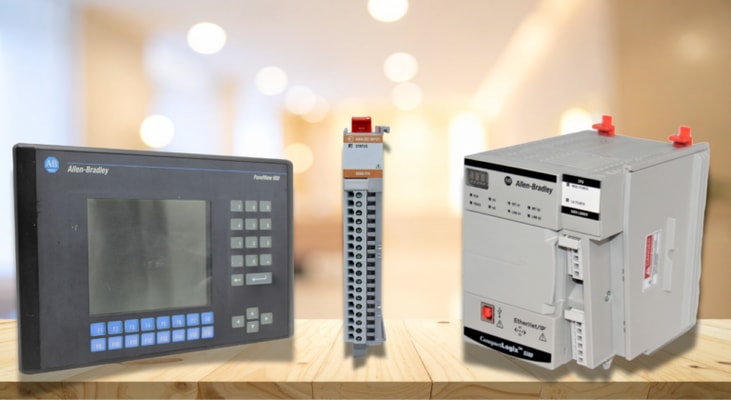
Modern industrial machines may appear mechanical externally, yet internally they operate through an integrated digital control system. Any automation system has three major components: the Programmable Logic Controller (PLC), the CPU, and the Human‑Machine Interface (HMI). For any industrial automation process, understanding how these components work together is essential for anyone involved in automation, manufacturing, or industrial engineering. HMIs help people engage with the equipment by visualizing the entire process; PLCs manage the machine’s logic and operations; and CPUs execute commands that keep everything operational. Each component serves a separate purpose, but its true strength lies in how they exchange information and communicate with one another in real time. PLCs form the core of industrial automation. They are dedicated industrial computers designed to reliably manage machines, production lines, and processes in demanding environments. In contrast to general‑purpose...
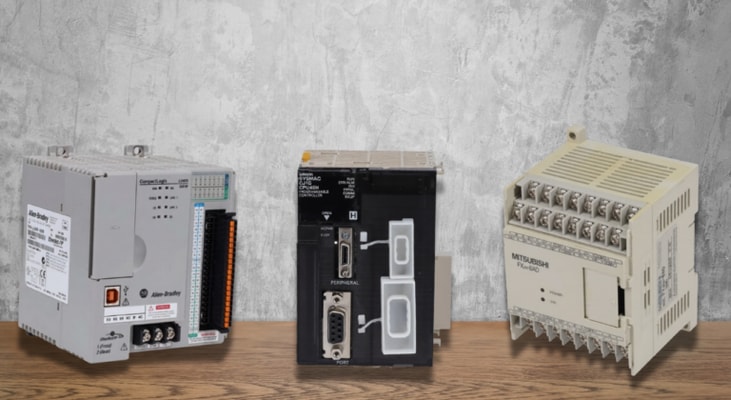
Industrial automation systems in 2026 have advanced to become both extremely uptime-critical and software-defined. The choice of a suitable PLC brand is therefore no longer solely determined by manufacturer/vendor reputation, cycle time, and I/O count. Instead, selecting the right PLC brands is based on compliance with emerging safety guidelines, cybersecurity features, compatibility with cloud computing platforms, extensive lifecycle management, and continued vendor support. Beyond key technical capabilities, comprehensive lifecycle management and long-term vendor commitment are becoming essential when choosing among PLC brands. This article presents a detailed technical comparison of leading PLC brands in 2026, focusing on lifecycle support, cost-effectiveness, and system reliability. The ControlLogix and CompactLogix controller platforms are the most renowned Allen-Bradley PLC brands within North America for industrial automation, though other PLC lines, such as MicroLogix, are...
Industrial automation nowadays focuses more on the programmable automation controllers (PACs), different motion systems, Industrial IoT architectures, and cloud‑linked control logics. Although such technologies are important for data‑intensive manufacturing environments, they do not always represent the most practical option. Different industrial systems still require consistent performance and cost‑effectiveness rather than other secondary features. That is exactly the niche where the MicroLogix controller family remains relevant today. MicroLogix controllers have built an enduring reputation for reliable control in space‑constrained, cost‑sensitive applications. Instead of trying to supplant higher‑end platforms, MicroLogix occupies a vital niche, delivering scalable micro‑PLC solutions that stay highly applicable in sectors such as water and wastewater, packaging, material handling, HVAC, food and beverage, and remote SCADA systems. The MicroLogix series was created with a...
When a PLC product you rely on to keep your operations running is discontinued, it brings a special kind of unease. Sure, the PLCs won’t quit working that night, but the uncertainty begins to creep in. Will the entire system need to be upgraded? How long will replacement parts be available? Do firmware updates still happen? And what does “end of support” actually mean for a machine that still runs every day? While a discontinued PLC line isn’t ideal, it also isn’t an end-all to a system currently running its hardware. In fact, with larger brands, it’s a lot less of a headache. Today, we are going to go over why that is, what you can do in this situation, and how you can prepare for the inevitable. Source MicroLogix 1500 Parts and PLCs Here When a PLC brand discontinues a product line, it does not mean that your system is suddenly obsolete or unsafe to run. In most cases, when a PLC brand’s discontinuation is a formal lifecycle milestone rather than a complete emergency shutdown. When...
Choosing a programmable logic controller involves a realistic analysis of technology requirements versus expense and complexity considerations. On the Rockwell Automation platform, there are two different approaches to automation offered in the MicroLogix and CompactLogix series of programmable controllers. A detailed breakdown of the differences between these two will help analyze their advantages and disadvantages. The point of divergence between the two lies in their underlying architectures. The MicroLogix line is a hard-wired, cost-effective controller package for discrete, stand-alone processes. It follows a monolithic architecture, in which the processor, power supply, and a fixed number of I/O circuits are typically packaged together in a single device or module. On the other hand, the CompactLogix architecture is based on the Logix platform, which is modular and scalable. It is rackless and modular, with a processor module package integrated with application-specific I/O...