How PLC Brands Build Ecosystems Around Their Controllers
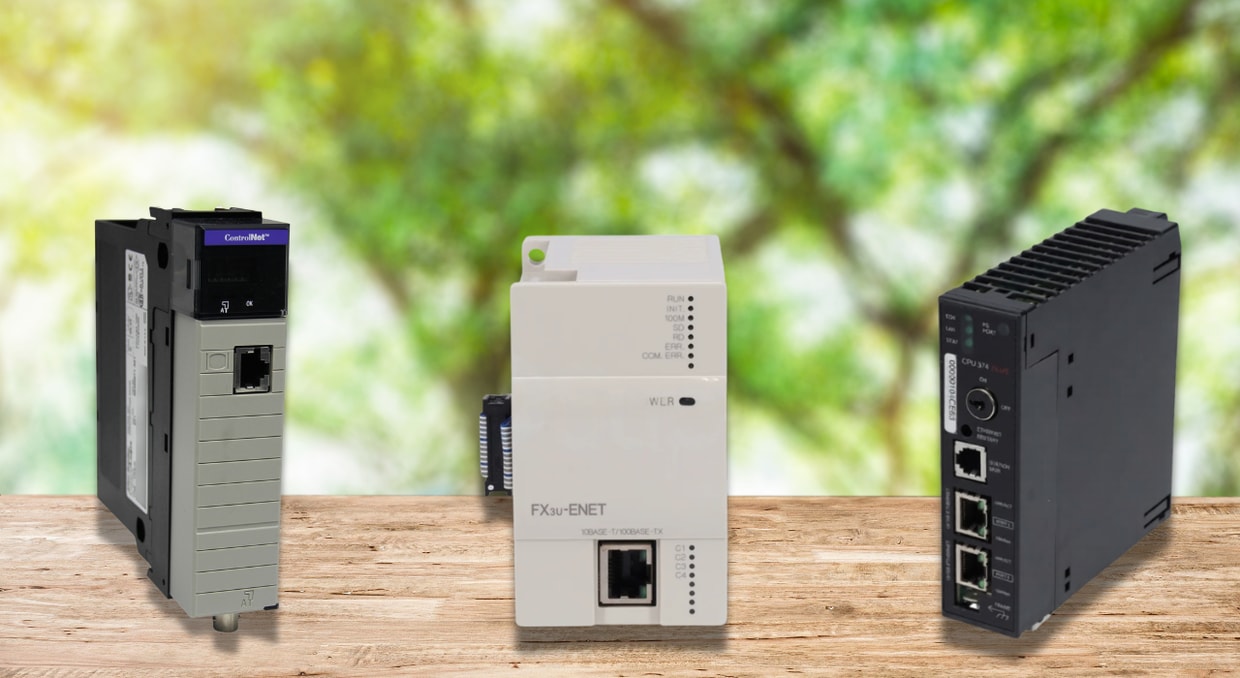
PLCs are the main part of industrial automation systems, providing the real‑time control required for manufacturing, process systems, infrastructure networks, and different building management systems. PLCs help in managing the automation ecosystems. Nowadays, the leading PLC brands do more than just supply simple hardware; they build full‑scale ecosystems encompassing software, communication protocols, add‑on input/output modules, cloud services, engineering software, different partner networks, and digital platforms that enhance performance, connectivity, and lifecycle value.
In this technical overview, we investigate how top PLC brands create ecosystems surrounding their controllers. We analyze the functions of hardware modularity, programming platforms, communication protocols, digital twins, edge and cloud integration, cybersecurity, analytics, partner initiatives, and deployment assistance demonstrating how ecosystems facilitate scalability, optimization, and future‑proofing in industrial automation.
Building Ecosystems Around Controllers
PLC brands build complete ecosystems around them to increase performance and long-term value. A modern PLC is designed to work with the brand’s own HMIs, drives, safety systems, motion controllers, and industrial networks.
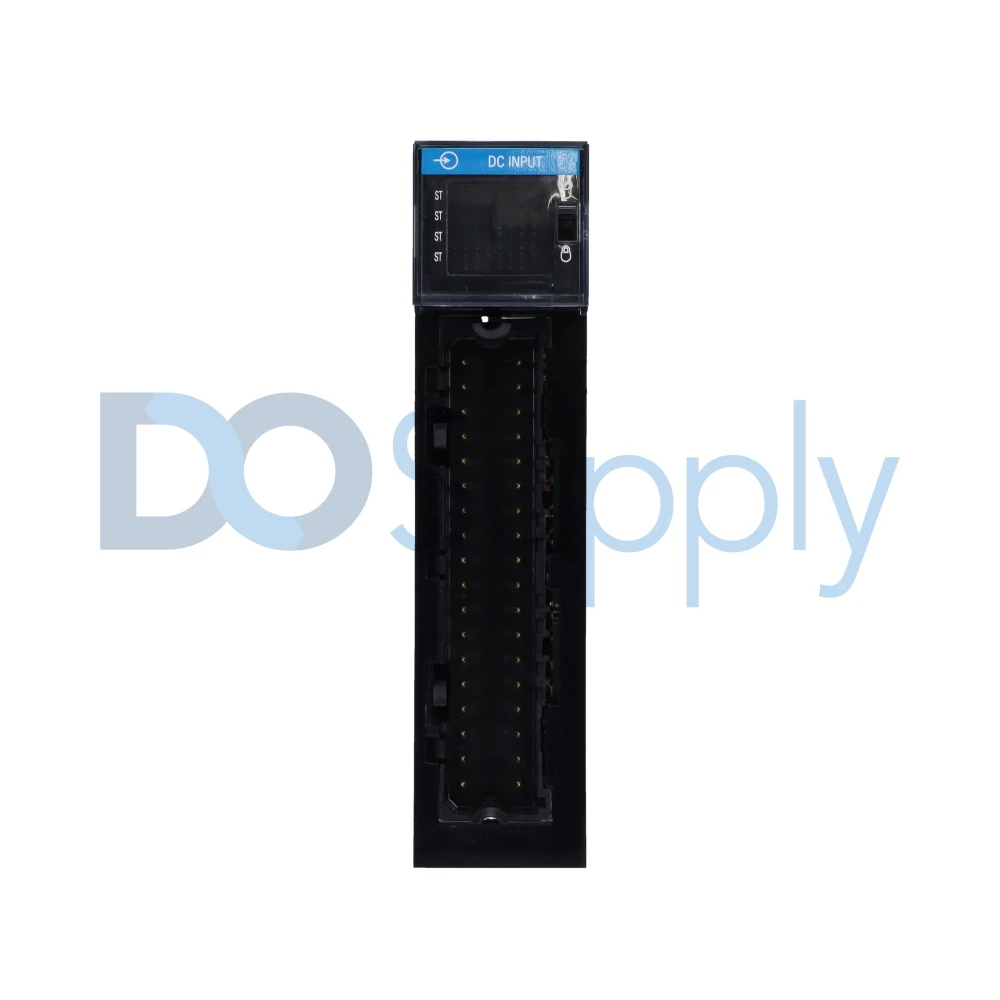
Beyond hardware and software, PLC ecosystems extend into training, support, and digital services like AVEVA E-learning and certifications for system integrators. PLC brands offer certified training programs, online knowledge bases, lifecycle management tools, and cybersecurity frameworks that help users scale and protect their systems. Cloud connectivity, IoT platforms, and data analytics are often tightly integrated, enabling predictive maintenance and remote monitoring without third-party complexity. By building these ecosystems, PLC brands create automation solutions rather than just keeping an eye on stand alone controllers. Now lets see in detail how PLC brands build ecosystems around their controllers:
Integrated development Environments
To simplify design and boost efficiency, PLC brands offer integrated software for configuring, programming, simulating, and deploying.
Unified Development Environments (IDEs)
Development environments that support IEC 61131‑3 languages (Ladder Logic, Structured Text, Function Block Diagram, Instruction List, Sequential Function Chart) for standardized development.
Ecosystems combine:
- Simulation utilities verify logic before hardware commissioning.
- Version‑control integration – Git and SVN assistance for collaborative engineering.
- Code quality and safety verification static analysis, adherence to safety lifecycle standards (ISO 13849, IEC 61508).
This integrated engineering methodology shortens time-to-market, boosts code uniformity across teams, and improves maintainability.
Communication and Interoperability Guidelines
Communication serves as the binding agent that links controllers, devices, supervisory systems, and analytics platforms within an automation ecosystem.
Industrial Ethernet and Fieldbus communication standards
Leading PLC brands offer support for several communication standards:
PROFINET / PROFIBUS extensively used by European OEM and process sectors (Siemens, Phoenix Contact). EtherNet/IP widely used in North America and automotive industries (Rockwell Automation, ODVA). Modbus TCP/RTU an open, straightforward protocol employed in numerous systems. DeviceNet, CANopen traditional and machine automation connectivity. BACnet integration of building automation.
Embracing open standards guarantees that devices from various manufacturers can work together and promotes the extensibility of the ecosystem.
Time‑Critical Networking (TSN)
Modern ecosystems are incorporating TSN, an IEEE specification for deterministic Ethernet networking. PLC brands are integrating TSN capability to enable synchronized control data particularly for motion control and high‑speed I/O while still supporting ordinary IT traffic.
OPC UA protocol
OPC Unified Architecture (OPC UA) has turned into a fundamental element for safe, multi‑vendor data communication:
- Technology-independent, service-based architecture.
- Integrated security (authentication, encryption).
- Semantic data modeling (information modeling). PLC ecosystems employ OPC UA for northbound connectivity to SCADA, MES, and cloud services.
For example, Siemens’ PLCs natively provide OPC UA server endpoints, making it easier to integrate with enterprise layers.
Integration of Digital Twin and Simulation
Digital twins model real-world systems within software, enabling simulation, optimization, and predictive analysis.
Digital Commissioning
PLCs linked to digital twin platforms permit virtual commissioning:
- Logic may be evaluated using simulated plant models.
- Mechanical and control engineers work together sooner in design cycles.
- Fault situations and edge conditions can be assessed without endangering actual hardware.
Ongoing Synchronization
Sophisticated ecosystems align PLC settings with digital twin models, ensuring that any alterations in the real system appear in the virtual counterpart enabling:
- Retraining operators within virtual scenarios.
- Evaluating program updates prior to rollout.
- Testing control logic through simulation.
Integration of Edge and Cloud
Modern PLC brands integrate links to edge computing systems and cloud services broadening the ecosystem past the factory floor.
Edge Gateways and Local Device Analytics
PLCs either incorporate or link to edge devices that:
- Gather and prepare data.
- Execute analytics models locally
- Provide instant decision assistance without cloud delays.
Cloud Connection
PLCs connected to cloud services can have the following benefits:
- Protected telemetry to the cloud (MQTT, AMQP).
- Historian and massive data storage
- Computational learning and forecasting‑based maintenance models.
- Operator dashboards reachable from any location.
Cybersecurity
As connectivity grows, the attack surface expands. PLC ecosystems emphasize cybersecurity in hardware, firmware, and software.
Safety Guidelines
Brands comply with industrial cybersecurity standards:
- IEC 62443 framework for a protected development lifecycle, network segmentation, access control
- NIST recommendations for safe architectural designs
Integrated Security Capabilities
Modern PLCs comprise:
- Hardware-based trust anchor
- Protected boot
- Role-oriented access control (RBAC)
- VPN and firewall implemented on the device
- Authentication via certificates
Siemens S7-1500, as an illustration, provides Secure Communication (SCP) and digital certificates for signing projects and firmware.
Runtime Safeguarding and Supervision
Ecosystems furnish:
- Outlier identification tools
- IDS/IPS (Intrusion Spotting/Blocking)
- Tracking and event surveillance linked to SIEM platforms
This guarantees that cybersecurity is not an afterthought but rather embedded within the ecosystem.
Data Analysis and Artificial Intelligence Integration
PLCs produce abundant operational data. Companies supply analytic frameworks to extract actionable insights.
Temporal Data and Chronologists
Information gathered from PLC feeds:
- On‑premises historians
- Cloud storage options for extended archiving
Time‑series analysis facilitates the identification of trends, key performance indicators, and the correlation of events.
Proactive Maintenance Models
Utilizing historical data and models, ecosystems support:
- Error forecasting
- Estimation of remaining useful life (RUL)
- Optimizing maintenance scheduling
Artificial intelligence and machine learning models may operate on the edge or in the cloud while connecting to asset management systems.
Collaborative Networks and External Integration
An automation ecosystem never stands alone. PLC brands develop partner networks.
Approved Partners and OEM Initiatives
Suppliers affirm:
- Integration specialists
- OEM automation collaborators
- Implementation collaborators
These collaborators broaden the ecosystem by:
- Solutions tailored to specific industries
- Custom software libraries
- Tailored components
For instance, Rockwell’s Partner Network and Siemens’ Solution Partner Program guarantee quality integration services.
Support for Third-Party Devices
PLC systems need to cooperate with sensors, drives, HMIs, and robotics from other manufacturers. Tools such as:
- GSD/EDS device details
- Automatic detection of network devices
- Plug-and-produce setups
- Guarantee smooth connectivity
How Ecosystems Facilitate Real-World Results
To demonstrate these concepts, examine common ecosystem advantages in actual settings:
Intelligent Manufacturing Implementation
A discrete manufacturer implementing a Siemens ecosystem could:
- Use S7-1500 controllers together with PROFINET
- Link to OPC UA data models for MES integration
- Deploy a digital twin simulation for commissioning
- Leverage Industrial Edge analytics to monitor performance
Process Plant Upgrade
A facility that utilizes Rockwell’s ControlLogix ecosystem may:
- Swap out outdated PLCs for ControlLogix 5580 CPUs
- Embed GuardLogix safety into machine cells
It enhances safety compliance, provides data insights, and enables remote monitoring.
Final Thoughts
In conclusion, different PLC brands have created ecosystems surrounding their controllers not just for the marketing of the particular equipment, but to help in the digital transformation of the industry. By means of unified engineering platforms, different communication protocols, cybersecurity protocols, data trends and alarms analytics, cloud network solutions and full lifecycle assistance, these ecosystems deliver the compatibility demanded by the industrial systems. Through different ecosystems, PLCs upgraded from basic controllers into core nodes of automation intelligence linking OT and IT, facilitating edge‑to‑cloud processes, helping in data‑driven decisions, and guaranteeing secure operations across various sectors. If you would like to read more about PLCs, we have an article going over what happens when they miss a packet here!
Whether you are looking for a plant wide upgrade or wanting to scope out your next project, we have you covered! We at DO Supply carry PLCs, drives, motors, and accessories from popular brands, such as Allen-Bradley, GE Fanuc Emerson, Mitsubishi, Schneider Electric, and more. We also offer repair services to get your faulting equipment back where it needs to be! On top of that, everything leaves here tested and backed with our two-year warranty for added peace of mind. Give us a call today and let us help you take your automated solution to the next level.
DO Supply Inc. makes no representations as to the completeness, validity, correctness, suitability, or accuracy of any information on this website and will not be liable for any delays, omissions, or errors in this information or any losses, injuries, or damages arising from its display or use. All the information on this website is provided on an "as-is" basis. It is the reader's responsibility to verify their own facts.