Introductory Guide for Implementing Motion Control with PLC’s
Ever watched a robot arm assemble a car with the precision of a master surgeon and wondered, “How on earth does it do that?” The secret lies in motion control, a key player in the industrial automation game. Motion control ensures that machinery moves exactly as intended, whether it’s positioning, velocity, or acceleration. At the heart of these systems are PLCs (Programmable Logic Controllers), the brains behind the brawn, orchestrating every movement with perfect timing.
Motion control is all about getting things to move precisely and efficiently. From robots on the assembly line to CNC machines carving out intricate parts, motion control makes it all happen. It’s powered by key components like servo motors and encoders, all managed by robust PLCs. Allen Bradley, a trusted name in automation, offers a range of products that exemplify how effective motion control systems should function.
When machines move with purpose and precision, industrial processes achieve new levels of accuracy and efficiency. This involves understanding the core components of a motion control system, selecting the right PLC, integrating servo motors and drives, and setting up encoders and feedback devices. Real-world applications, from packaging lines to CNC machining centers to conveyor systems, demonstrate how these systems improve operations.
With the right setup, impressive levels of precision and efficiency are achievable. Dive into the essential elements of motion control and see how they power industrial automation.
What is Motion Control?
Motion control is a critical aspect of industrial automation that involves controlling the movement of machinery to ensure precise operation. It encompasses regulating mechanical components’ position, velocity, and acceleration, allowing machines to perform complex tasks with high accuracy.
Definition and Basic Concepts
At its core, motion control is about managing the movement of machines. This involves:
- Position Control: Ensuring a machine part moves to a specific location.
- Velocity Control: Regulating the speed at which a machine part moves.
- Acceleration Control: Controlling the rate of change of velocity to achieve smooth motion.
Combining these elements allows motion control systems to execute intricate movements required in various industrial applications.
Applications of Motion Control in Various Industries
Motion control is widely used across numerous industries, each benefiting from the precision and efficiency it offers. Some common applications include:
- Manufacturing: In assembly lines, motion control ensures that robotic arms and other machinery perform tasks such as welding, painting, and assembling parts with high precision. This leads to increased production efficiency and consistent product quality.
- CNC Machining: Computer Numerical Control (CNC) machines rely heavily on motion control to cut, drill, and shape materials into precise designs. The ability to control the exact position and movement of the cutting tools results in high-quality and accurate components.
- Packaging: Motion control systems are crucial in packaging operations, where precise movements are required to handle products, fill containers, and seal packages. This ensures that products are packaged correctly and efficiently, reducing waste and increasing throughput.
- Material Handling: Conveyor, automated storage, and retrieval systems (AS/RS) use motion control to move products and materials smoothly and accurately. This helps optimize logistics and maintain a steady flow of goods in warehouses and distribution centers.
- Medical Devices: In the medical field, motion control is used in devices such as MRI machines, surgical robots, and prosthetics. These applications require extremely precise movements to ensure patient safety and the effectiveness of medical procedures.
Understanding these applications highlights the importance of motion control in achieving efficient and reliable operations across different sectors.
Components of a Motion Control System
A motion control system is made up of several key components that work together to achieve precise and efficient movement. Here’s a look at the main components involved:
PLCs
PLCs, or Programmable Logic Controllers, serve as the central brain of motion control systems. They execute control algorithms, process inputs from sensors, and send commands to actuators. Allen Bradley offers a range of PLCs known for their reliability and performance in motion control applications. A popular choice for motion control is the Allen Bradley ControlLogix 5580 series, known for its high processing power and scalability.
Servo Motors and Drives
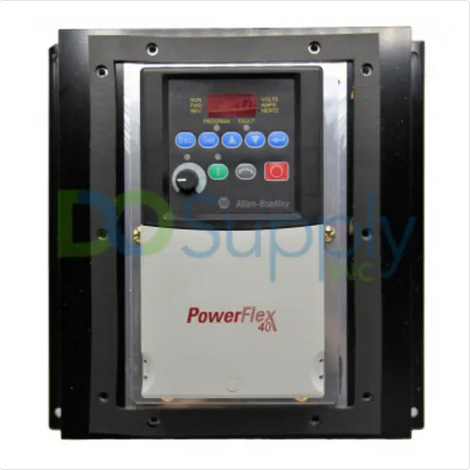
Servo motors and drives are responsible for converting electrical signals from the PLC into precise mechanical movements. Servo motors provide accurate control of position, speed, and torque, making them ideal for applications that require high precision. Allen Bradley’s Kinetix 5700 servo drives paired with VP-Series servo motors are designed to deliver consistent and reliable performance in demanding environments.
Encoders and Feedback Devices
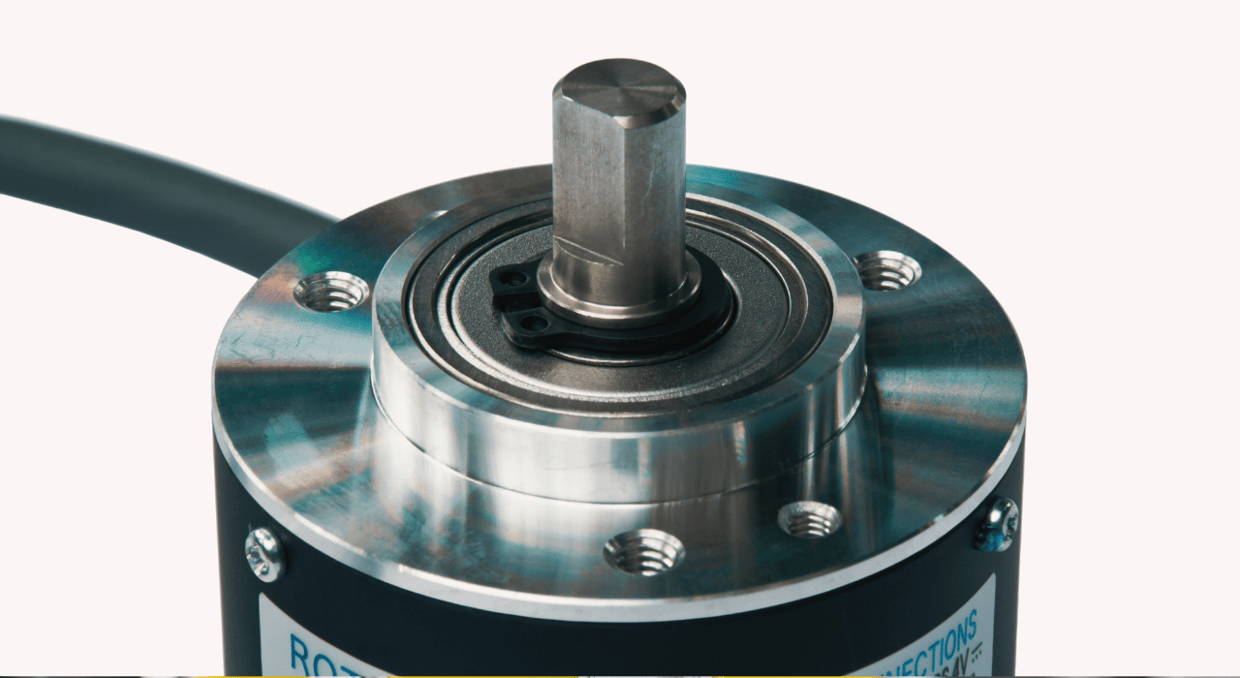
Encoders and feedback devices play a crucial role in motion control systems by providing real-time data on the position, speed, and direction of moving parts. This information is fed back to the PLC, allowing it to make necessary adjustments and ensure accurate movement. Allen Bradley’s 845G and 845H series encoders are known for their precision and durability.
Power Supplies
A reliable power supply is essential for the smooth operation of motion control systems. Power supplies ensure that all components receive consistent and stable power, preventing interruptions and maintaining system reliability. The Allen Bradley 1606-XLS series power supplies are engineered to meet the demanding needs of industrial applications.
With a clear understanding of these components, the next step is to look at how to implement motion control with PLCs, ensuring all elements work together seamlessly.
How to Implement Motion Control with PLCs
Implementing motion control with PLCs involves several steps, from selecting the right components to ensuring they work together seamlessly. Here’s a detailed guide on how to get started:
Selecting the Right PLC for Motion Control
Choosing the right PLC is crucial for effective motion control. For high-performance applications, the Allen Bradley ControlLogix 5580 series is a robust choice. It offers the processing power and scalability needed for complex motion tasks. Key features to look for include high-speed processing, multiple I/O options, and compatibility with motion control modules.
Integrating Servo Motors and Drives
Servo motors and drives are the workhorses of a motion control system, converting electrical signals from the PLC into precise mechanical movements. Here’s how to integrate them:
- Select the Servo Motor and Drive: Pair the Kinetix 5700 servo drive with VP-Series servo motors. This combination is known for its precision and reliability.
- Mount the Servo Motor: Ensure the motor is securely mounted to the machinery. Alignment is crucial to prevent mechanical issues.
- Connect the Drive to the PLC: Use appropriate cables to connect the Kinetix 5700 drive to the ControlLogix 5580 PLC. Ensure the connections are secure and follow the manufacturer’s guidelines.
- Configure Drive Parameters: Set the drive parameters to match the motor’s specifications. This includes tuning the drive for optimal performance.
Setting Up Encoders and Feedback Devices
Encoders and feedback devices provide the necessary real-time data to ensure precise control. Here’s how to set them up:

- Choose the Encoder: Allen Bradley’s 845G and 845H series encoders are excellent choices for their accuracy and durability.
- Install the Encoder: Attach the encoder to the moving part of the machinery. Ensure it is securely mounted to avoid vibration and misalignment.
- Connect to the PLC: Wire the encoder to the PLC’s input module. Ensure proper connections to receive accurate feedback signals.
- Calibrate the System: To ensure accurate position data, calibrate the encoder by setting up the correct scaling factors in the PLC.
Ensuring Proper Power Supply and Wiring
A reliable power supply is essential for the smooth operation of all components in a motion control system. Here’s what to consider:
- Select a Suitable Power Supply: The Allen Bradley 1606-XLS series power supplies are designed for industrial use and offer stable and reliable power.
- Install the Power Supply: Securely mount the power supply within the control panel. Ensure it is adequately ventilated to prevent overheating.
- Wire the Components: Connect the power supply to the PLC, drives, and encoders. Use proper wire gauges and follow the wiring diagrams provided by the manufacturers.
- Check for Proper Grounding: Ensure all components are properly grounded to prevent electrical noise and potential damage.
Following these steps, you can set up a motion control system that operates efficiently and reliably.
Real-World Examples Using Allen Bradley Products
Understanding theoretical concepts is important, but seeing real-world applications brings the benefits and capabilities of motion control systems to life. Here are three examples highlighting how Allen Bradley products are used in various industries.
Implementing Motion Control in a Packaging Line
In a high-speed packaging line, precision and timing are critical. The ControlLogix 5580 PLC, paired with Kinetix 5700 servo drives and VP-Series servo motors, ensures that packaging machinery operates seamlessly. Encoders from the 845G series provide real-time feedback, allowing the system to adjust and maintain accuracy. This setup enhances production speed and reduces downtime due to mechanical errors.
Enhancing Precision in a CNC Machining Center
CNC machining centers require exact control over cutting tools. Using the ControlLogix 5580 PLC with Kinetix 5700 drives and VP-Series motors, the system can precisely control the movement of the cutting heads. The 845H encoders deliver accurate position data, ensuring each cut is perfect. This setup improves the quality of machined parts and increases the overall efficiency of the machining process.
Automating Conveyor Systems in a Manufacturing Plant
Automated conveyor systems must handle varying loads and speeds. The ControlLogix 5580 PLC, along with Kinetix 5700 drives and VP-Series motors, provides the flexibility to control these systems efficiently. Real-time feedback from 845G encoders ensures smooth and consistent movement. This implementation optimizes the flow of materials, reduces manual handling, and improves overall productivity.
Benefits of Using PLCs for Motion Control
Implementing motion control with PLCs offers several advantages that enhance industrial automation processes:
- Precision and Accuracy: PLCs like the ControlLogix 5580 ensure high precision and accuracy, which is crucial for applications requiring exact movements.
- Flexibility and Scalability: These systems can be easily scaled and adapted to various applications, making them suitable for different industrial needs.
- Enhanced Diagnostics and Troubleshooting: Built-in diagnostics help quickly identify and resolve issues, minimizing downtime and maintaining smooth operations.
Common Challenges and Solutions
While implementing motion control systems, several challenges can arise. Here are common issues and how to address them:
Complexity of Setup and Integration
Integrating multiple components can be complex. To simplify this process:
- Follow detailed wiring diagrams and setup instructions.
- Use compatible components.
- Conduct thorough testing at each step to ensure proper integration.
Maintaining Synchronization and Coordination
Ensuring that all components work in harmony is critical. To maintain synchronization:
- Use precise encoders like the 845G series for accurate feedback.
- Regularly calibrate the system to adjust for any deviations.
- Implement proper timing and control algorithms in the PLC.
Managing Wear and Tear on Mechanical Components
Mechanical components can wear out over time. To manage this:
- Implement regular maintenance schedules.
- Use high-quality, durable components such as VP-Series servo motors.
- Monitor system performance and replace worn parts promptly.
Final Thoughts
Motion control is a cornerstone of industrial automation, enabling precise and efficient machinery operation. By using PLCs like the Allen Bradley ControlLogix 5580, along with compatible servo motors, drives, and encoders, you can achieve high levels of accuracy and reliability in your motion control systems. With careful implementation and regular maintenance, these systems will enhance productivity and ensure smooth operations across various industrial applications.
Moreover, integrating high-quality components such as the Kinetix 5700 servo drives and VP-Series servo motors ensures that your systems remain robust and capable of handling demanding tasks. The real-time feedback from 845G and 845H encoders keeps operations smooth and accurate, reducing errors and improving overall efficiency.
Implementing motion control with PLCs boosts precision and performance and offers scalability for future expansions. As your needs grow, these systems can adapt, maintaining their efficiency and reliability. Regular diagnostics and troubleshooting ensure that any issues are swiftly addressed, minimizing downtime and keeping your production lines running seamlessly.
DO Supply Inc. makes no representations as to the completeness, validity, correctness, suitability, or accuracy of any information on this website and will not be liable for any delays, omissions, or errors in this information or any losses, injuries, or damages arising from its display or use. All the information on this website is provided on an "as-is" basis. It is the reader's responsibility to verify their own facts.