Are You Using Your DC Drive Correctly? Common Mistakes to Avoid
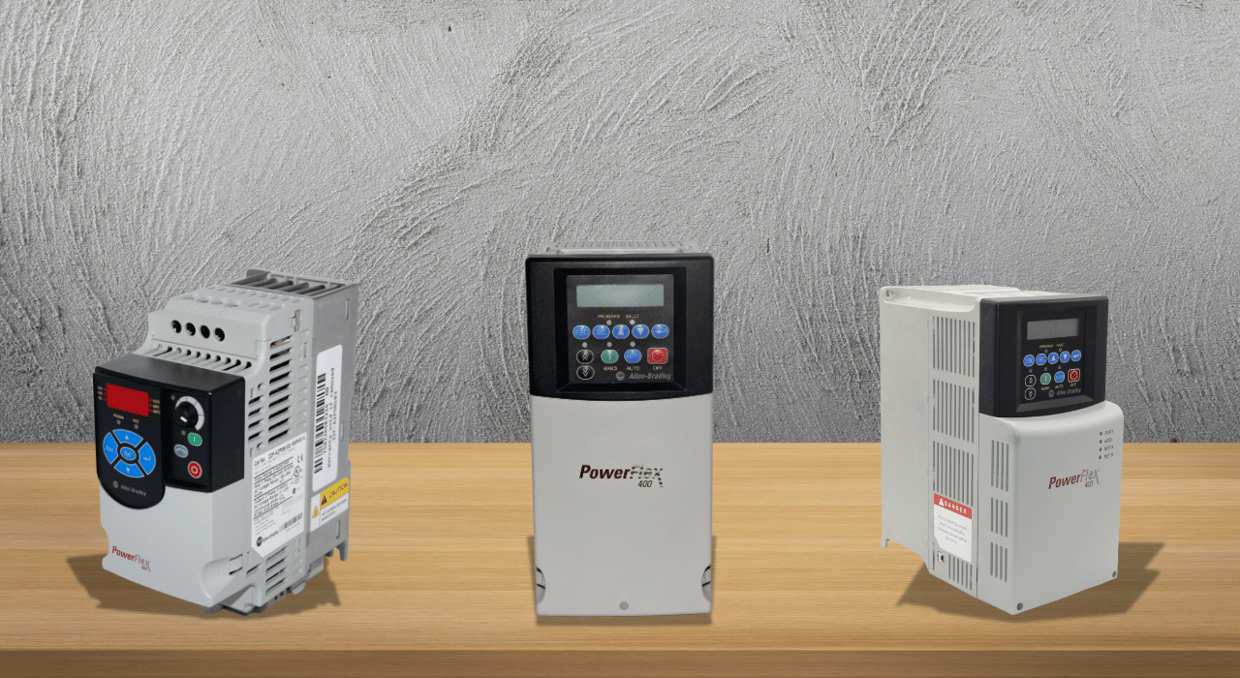
DC drives are vital components in a wide range of industrial applications, providing precise speed control and efficient motor operation. However, their performance and longevity depend on correct usage and regular maintenance. Too often, operators overlook small but critical details that can lead to inefficiencies, malfunctions, or even complete drive failure. From unstable power supplies to poor signal isolation and incorrect wiring, these common mistakes can cause costly downtime and equipment damage. Understanding these potential pitfalls is the first step toward preventing them. This article outlines the most frequent DC drive errors and how to avoid them, helping you ensure your system operates smoothly and reliably. Whether you’re dealing with a faulty motor connection, a weak command signal, or overloading issues, knowing what to look for can save both time and resources. Let’s dive into the top mistakes users make when operating DC drives and how to steer clear of them.
Poor Power Supply Connection
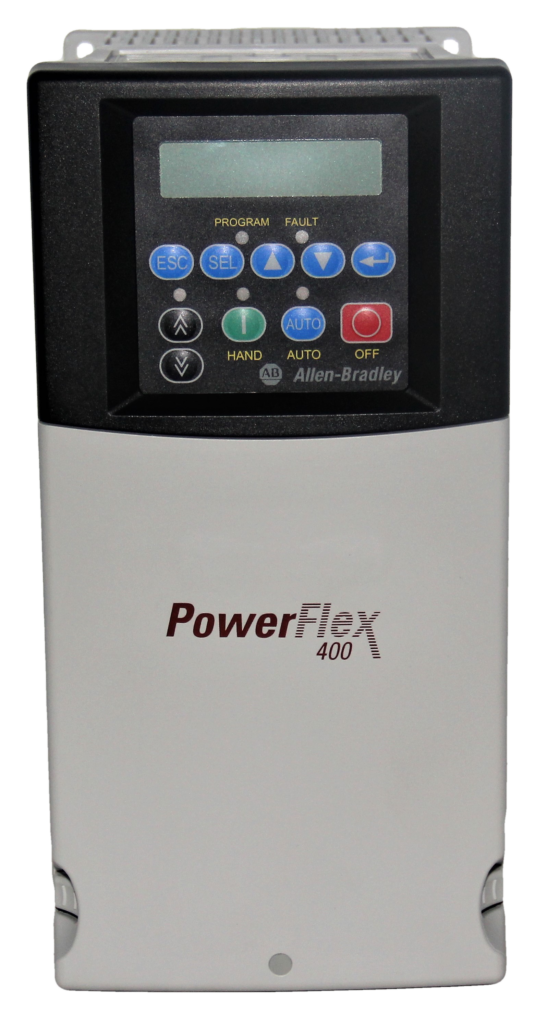
A DC drive needs a stable and adequate power supply to operate effectively. If voltage or current is inconsistent, the drive may not receive the energy it needs to function, leading to shutdowns or erratic motor behavior. One common mistake is assuming a drive issue without first checking the power source. Loose terminals, corroded wires, or weak circuit breakers can all cause poor connections. Always verify that the power supply is clean, stable, and correctly rated for the application. Failing to secure a strong power connection can lead to intermittent faults, increased wear, and system inefficiencies.
Faulty Connection with Motor
Many DC drive issues originate from the motor side of the system. Faulty connections, such as worn-out wires, damaged relays, or loose connectors, can disrupt the flow of current and control signals. Before blaming the drive, inspect all motor wiring and hardware for integrity. One common mistake is not routinely checking terminal tightness or wire insulation, which can degrade over time. A motor malfunction—such as internal shorts or degraded insulation—can also reflect back on the drive, causing it to trip or behave unpredictably. Ensuring robust motor connections is key to running your entire drive system smoothly.
Weak Command Signal
A weak or missing command signal can leave your DC drive inactive, even if all other components are functioning. This often-overlooked issue is one of the most common mistakes during troubleshooting. Without a reliable signal, the drive doesn’t know when or how to activate the motor. Causes can include loose wiring, bad signal isolation, or improper grounding. Always verify that the control system is delivering the correct signal — at the right voltage and frequency — to the drive. Failing to check signal integrity wastes time and could lead to misdiagnosis, delaying necessary repairs or adjustments elsewhere in the system.
Drive Defects and Component Damage
Internal drive defects can develop over time or result from improper use. Blown fuses, damaged circuit boards, or failed transistors can all point to serious drive issues. One mistake operators make is continuing to run a drive with intermittent faults, hoping they’ll “clear up.” In reality, these faults often worsen, leading to full failure and even damaging the motor. Early signs such as strange noises, tripped breakers, or erratic behavior should be taken seriously. If internal damage is suspected, power down the system carefully inspect components. In many cases, professional repair or full replacement is the safest path forward, and we at DO Supply offer this exact service backed by a two-year warranty.
Grounded Motor Windings
A grounded motor winding is a critical issue that can severely impact DC drive performance. When the insulation on the winding breaks down, it allows current to flow where it shouldn’t, often to the motor frame or ground. This causes the drive to fault, shut down, or blow a fuse. One common mistake is failing to test insulation resistance regularly. Early detection of weak or failing insulation can prevent expensive repairs and minimize downtime. Using a megohmmeter during routine maintenance can catch grounding problems early. Ignoring this type of fault may damage the motor and the drive itself.
Poor Signal Isolation
Signal isolation is essential to protect both the drive and control systems from electrical noise and interference. Without proper isolation, signals can become corrupted, leading to false starts, shutoffs, or erratic performance. A common mistake is assuming that signal problems are mechanical when they’re actually electrical. Use opto-isolators or isolation amplifiers to separate control circuits from power circuits. Ensure cables are routed properly and grounded appropriately. Poor signal isolation not only disrupts operations but can also cause cumulative damage to sensitive electronics over time. Prioritize clean signal transmission to maintain long-term drive reliability.
Unbalanced Armature Amps
An unbalanced armature current is a red flag for underlying issues such as winding shorts, uneven load distribution, or a faulty drive. When current is not evenly distributed across the armature, it stresses motor components and reduces efficiency. A common mistake is overlooking this condition until serious symptoms appear. Regularly monitoring armature current with an ammeter helps catch these imbalances early. This allows for proactive maintenance and avoids motor overheating or commutator damage. If left unchecked, an unbalanced current can shorten the lifespan of both the motor and the drive, causing costly breakdowns and unexpected downtime.
Dirty Line Voltage
Dirty line voltage—fluctuations, noise, or spikes in your electrical supply—can cause unpredictable drive behaviour. Sensitive electronic components within the drive may respond erratically or sustain damage. A common oversight is failing to install proper line filters or surge protection. When voltage irregularities occur, it can lead to overheating, nuisance tripping, or total drive failure. Ensure your power source is clean and stable by using voltage conditioners or isolation transformers if needed. Regularly checking for power anomalies will help prevent these issues and maintain smooth operation. Clean power is a foundational element of reliable drive performance.
Overloading
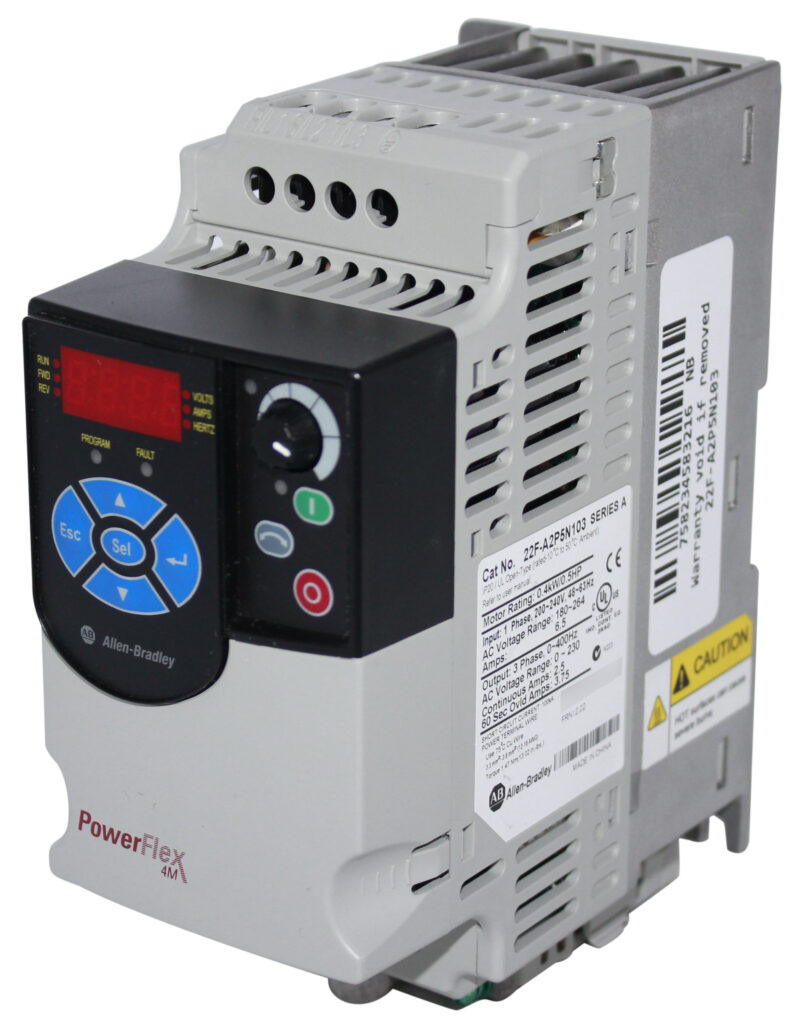
Overloading a DC drive is one of the most preventable yet frequent mistakes. Operating the motor beyond its rated capacity causes excess heat and stress, degrading insulation, burning components, and damaging protective devices. Many users mistakenly believe a brief overload won’t cause harm, but these incidents accumulate wear over time and reduce drive lifespan. Always ensure the drive and motor are rated for the load they’re tasked with. Incorporating overload protection and monitoring tools can safeguard your equipment. Respecting load limits keeps your system operating efficiently and avoids unnecessary downtime or damage.
Drive Wiring Errors
Incorrect wiring during installation or maintenance can result in severe drive problems. Reversed polarity, misrouted wires, or undersized cables are all mistakes that can cause malfunction, overheating, or total failure. Drive wiring must match manufacturer specifications, with attention to layout, shielding, and grounding. A common error is skipping a double-check of wiring diagrams or assuming color codes always match. All installation checklist should include proper wire labelling, terminal tightening, and insulation testing. Clean, correct wiring ensures immediate functionality and makes future maintenance much easier and safer.
Final Thoughts
In conclusion, using your DC drive correctly is not just about installation—it’s about ongoing attention to detail. Avoiding common mistakes such as poor power connections, faulty wiring, weak signals, and improper load management can significantly extend the life of your drive and prevent costly downtime. Regular inspections, proper maintenance, and adherence to manufacturer guidelines are key to keeping your system running smoothly. Understanding and addressing these issues early can ensure reliable performance, protect your investment, and improve overall operational efficiency. Don’t wait for a failure—proactive care is the smartest way to avoid major drive problems.
Drive failure sometimes cannot be fixed in-house or needs to be replaced. It’s just the nature of the beast with this industry, but we are here to help. As mentioned before, we at DO Supply offer a repair or replacement service backed by our industry-leading two-year warranty. We also carry hundreds of drives if you’re after a replacement. So give us a call today, and we can get your process running smoothly! We also have a guide on taking care of PowerFlex DC Drives here.
DO Supply Inc. makes no representations as to the completeness, validity, correctness, suitability, or accuracy of any information on this website and will not be liable for any delays, omissions, or errors in this information or any losses, injuries, or damages arising from its display or use. All the information on this website is provided on an "as-is" basis. It is the reader's responsibility to verify their own facts.